You booked the flight. You found a great hotel. You figured out your transportation. Budget done, right?
Not quite. A new study highlighted by Expedia Group found that travelers spend about 25 percent of their total trip budget on things unrelated to flights or hotels. That works out to roughly $500 per trip, money that most people never account for when they start planning.
Where Does That $500 Go?
The study surveyed 3,500 travel decision-makers across seven global markets. Researchers wanted to understand not just how much people spend beyond the basics, but when and why they spend it.
It turns out these purchases are not random. They are tied directly to the trip itself, from the moment you start planning to the day you get back home.
The research identified several categories where that extra money tends to land:
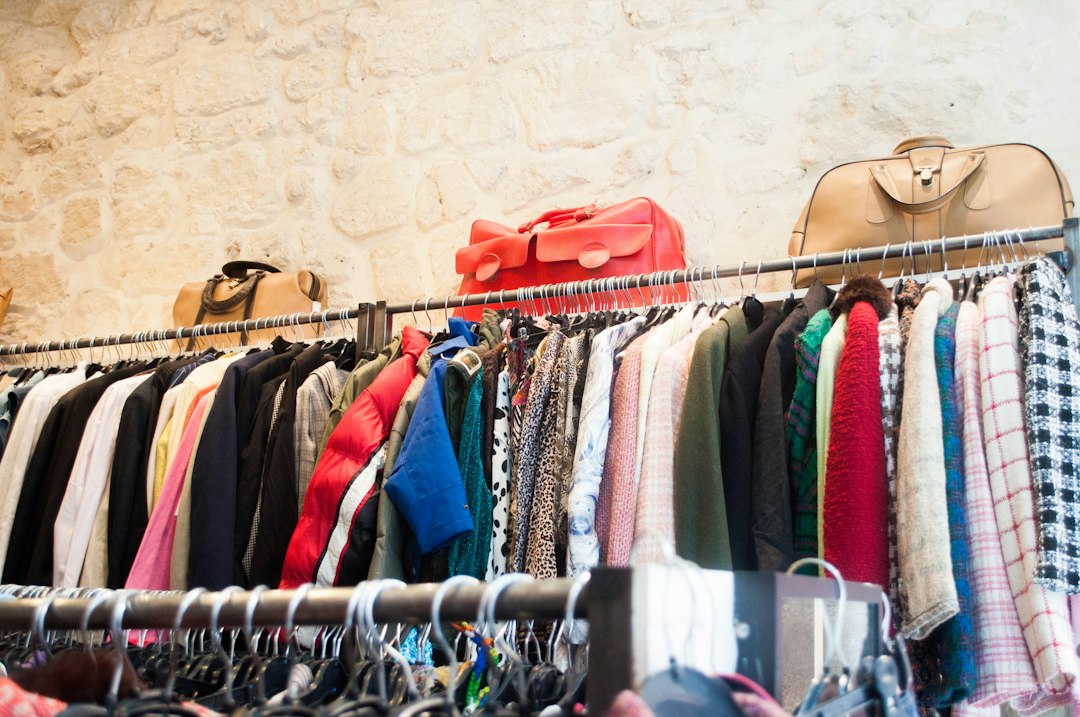
- Clothing and accessories — new outfits for the beach, the trails, or the city streets
- Beauty and personal care — travel-sized toiletries, skincare, and cosmetics
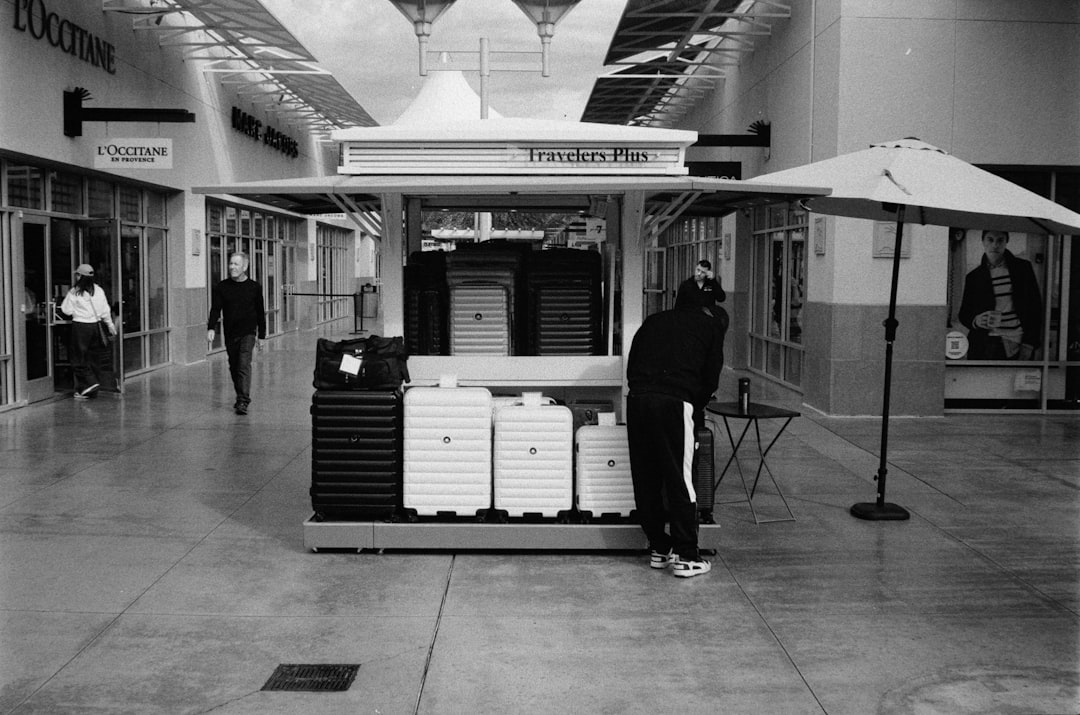
- Electronics — headphones, portable chargers, cameras, and new phones
- Experiential add-ons — guided tours, event tickets, and special dinners
- Souvenirs and gifts — keepsakes for yourself and presents for friends and family back home
Any of that sound familiar? For most of us, it is simply part of traveling well.
Why It Matters for Your Wallet
The study also pointed to a broader shift in how people think about travel. It is no longer just a transportation and lodging expense. A trip now triggers additional spending across retail, beauty, electronics, and even financial services.
The good news is that people are not cutting back on travel even when budgets get tight. According to the research, spending simply shifts across categories. Travel stays a priority; people just spread the money around differently.
Still, going into a trip without accounting for that extra $500 can leave you feeling the pinch when you get home. A little planning goes a long way.
Six Ways to Budget Smarter Before Your Next Trip
Here are the strategies the research points to for keeping your travel spending under control:
- Add a “hidden costs” category. When you build your trip budget, set aside a specific amount for non-travel purchases. Treat it like a fixed line item, not an afterthought.
- Build in a cushion. Experts recommend adding a 10 to 15 percent buffer to your overall travel budget. That extra padding absorbs impulse buys without causing stress.
- Make a shopping list in advance. Think through what you will actually need (clothes, gear, or accessories) and buy it before you leave. Planned purchases tend to cost less than last-minute ones.
- Set daily spending limits. Break your budget into daily allowances for shopping, dining, and activities. It is easier to stay on track when you know your number for the day.
- Ask yourself if it adds to the trip. Before you buy something, consider whether it will genuinely make the experience better, or just take up space in your suitcase.
- Track what you spend as you go. A simple notes app on your phone works fine. Keeping tabs in real time prevents end-of-trip surprises.

The bottom line from this research is simple: the real cost of a trip is almost always higher than the cost of the ticket and the room. When you plan for that extra spending up front, you get to enjoy every part of the trip without the post-vacation financial hangover.