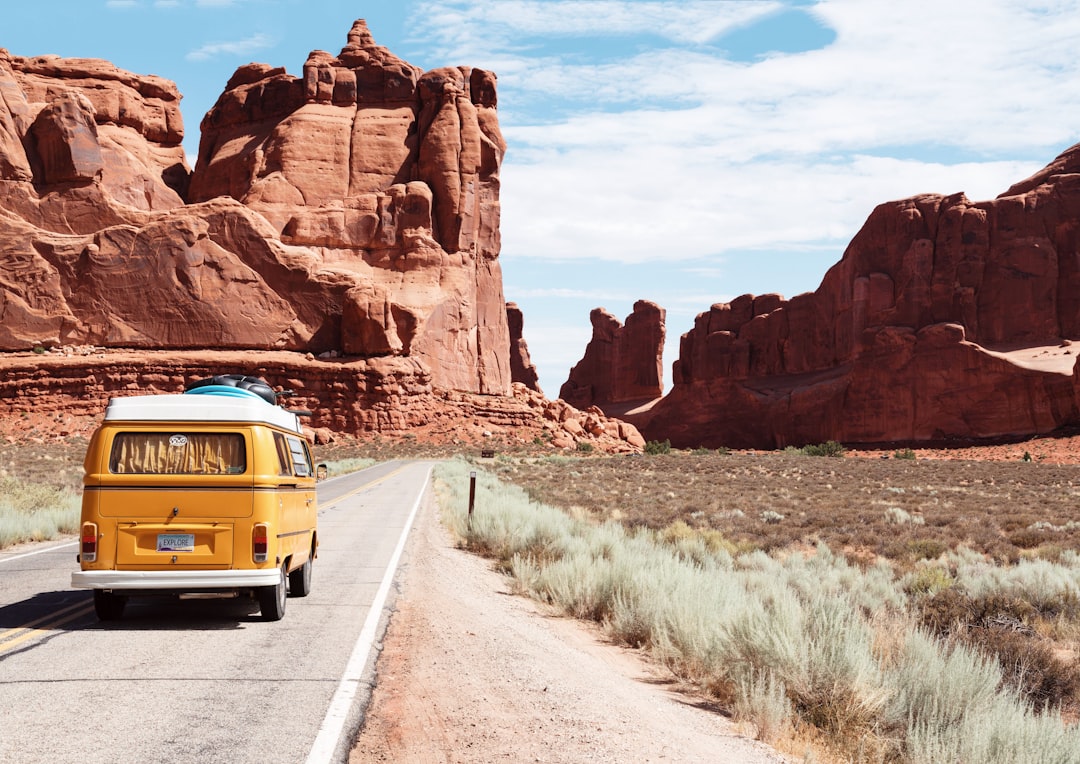
Go ahead and hum a few bars. You know the one. Get your kicks on Route 66. Nat King Cole recorded that song in 1946, and it helped turn a simple stretch of pavement into something much bigger; a symbol of freedom, possibility, and the wide-open American road.
Now the Mother Road has turned 100. Route 66 was officially named on April 30, 1926, and first opened on November 11 of that same year. With the centennial just passed, there has never been a better time to revisit what makes this highway so unforgettable.
How It All Started
Route 66 wasn’t built from scratch. It was stitched together from existing local roads and smaller highways, which is why it zigzags rather than cutting a straight line across the country. The original route stretched about 2,448 miles from Chicago to Santa Monica, crossing eight states and three time zones.
It became one of America’s first major all-weather highways. Earlier roads turned to mud when it rained. Route 66 didn’t. That made it genuinely useful, not just for leisure travel, but for commerce and connection between small towns and big cities.
It wasn’t fully paved until 1938, more than a decade after it opened. And in its early years, there was no uniform signage. Drivers often got lost following a mismatched collection of local road markers.
The Road That Carried a Nation
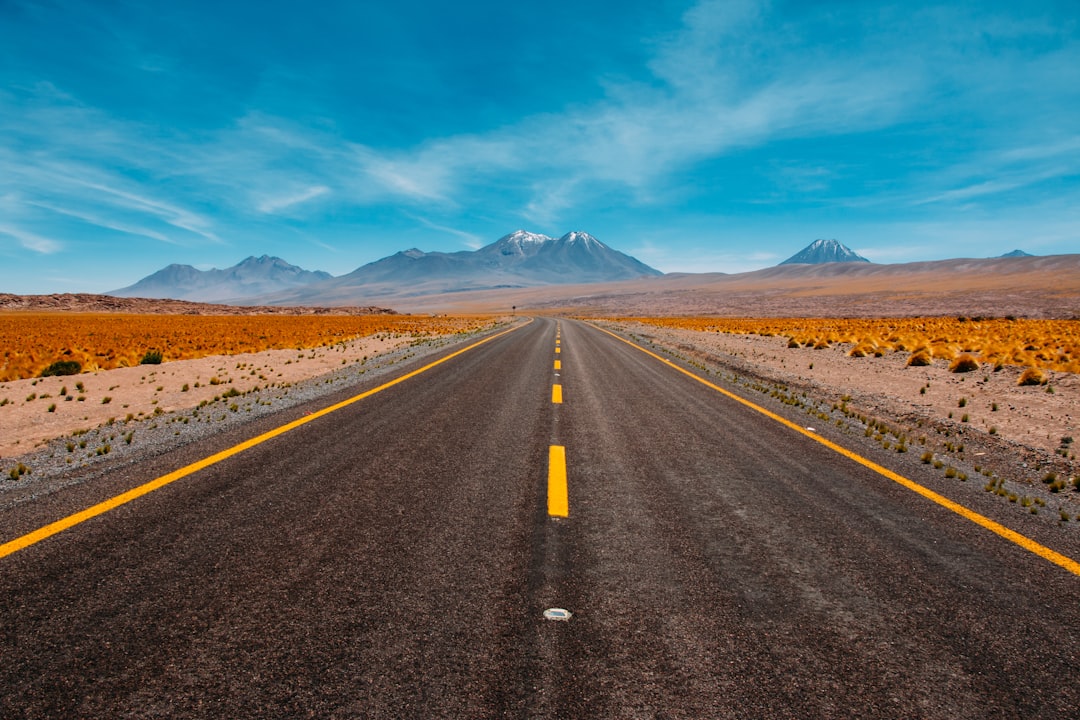
During the Dust Bowl in the 1930s, Route 66 became something more than a highway. Around 210,000 people traveled it looking for work and a fresh start out West. John Steinbeck wrote about those families in The Grapes of Wrath in 1939, and that is where the nickname “the Mother Road” came from.
Some towns along the route actually relocated themselves closer to the highway just to catch the business of passing travelers. That tells you something about how much traffic, and how much hope, flowed down that road.
In 1952, the highway was briefly renamed the Will Rogers Highway to honor the Oklahoma-born entertainer and humorist. Most people never stopped calling it Route 66.
Why It Disappeared and Why It Didn’t Really
The Federal-Aid Highway Act of 1956 set the Interstate System in motion. Faster, straighter roads gradually pulled traffic away from Route 66. By 1985, the highway was officially decommissioned and replaced by routes like Interstate 40.
But it didn’t vanish. About 85 percent of the original road still exists today in some drivable form. Starting in the late 1980s, many sections were preserved and marked as Historic Route 66 for tourism. More than 100 ghost stretches still run right alongside modern highways. In Arizona, you can still drive one of the longest continuous drivable sections of original pavement, particularly around Seligman and Kingman.
Some of that pavement still shows hand-laid concrete from the 1930s.
Things Worth Seeing Along the Way
The route’s traditional bookends are Navy Pier in Chicago and Santa Monica Pier in California, known as the symbolic anchors of the journey. Between those two points, there is plenty to discover.
Cadillac Ranch in Texas is one of the most talked-about stops. It features half-buried Cadillacs covered in layers of spray-painted graffiti that visitors keep adding to over time. The artwork is always changing.
Many travelers collect Route 66 passport stamps from towns along the way, a tradition that turns the drive into a kind of rolling scrapbook. Between 2 and 3 million people explore at least part of the route each year.
The iconic black-and-white Route 66 shield sign remains one of the most recognized road symbols in the country. You will still find it on souvenir shops and themed attractions all along the way.
Route 66 in the Culture We Grew Up With
If you remember the 1960s TV show Route 66, you were watching something special. The show followed two drifters traveling the highway in a Corvette and was filmed on location along the actual route.
The Disney movie Cars drew heavily from Route 66 as well. Real Route 66 historian Michael Wallis voiced the Sheriff character and helped shape the film’s authenticity. Disney’s Cars Land at California Adventure Park was modeled after Route 66 towns, with some design elements inspired directly by Seligman, Arizona.
The highway has also shown up in video games, including American Truck Simulator and Cars: The Video Game.
One hundred years in, Route 66 still has a pull that is hard to explain. Maybe it is the neon signs. Maybe it is the wide desert sky. Maybe it is just that some roads feel like they were made for people who have somewhere they have always wanted to go.
The centennial seems like a pretty good reason to finally go.