
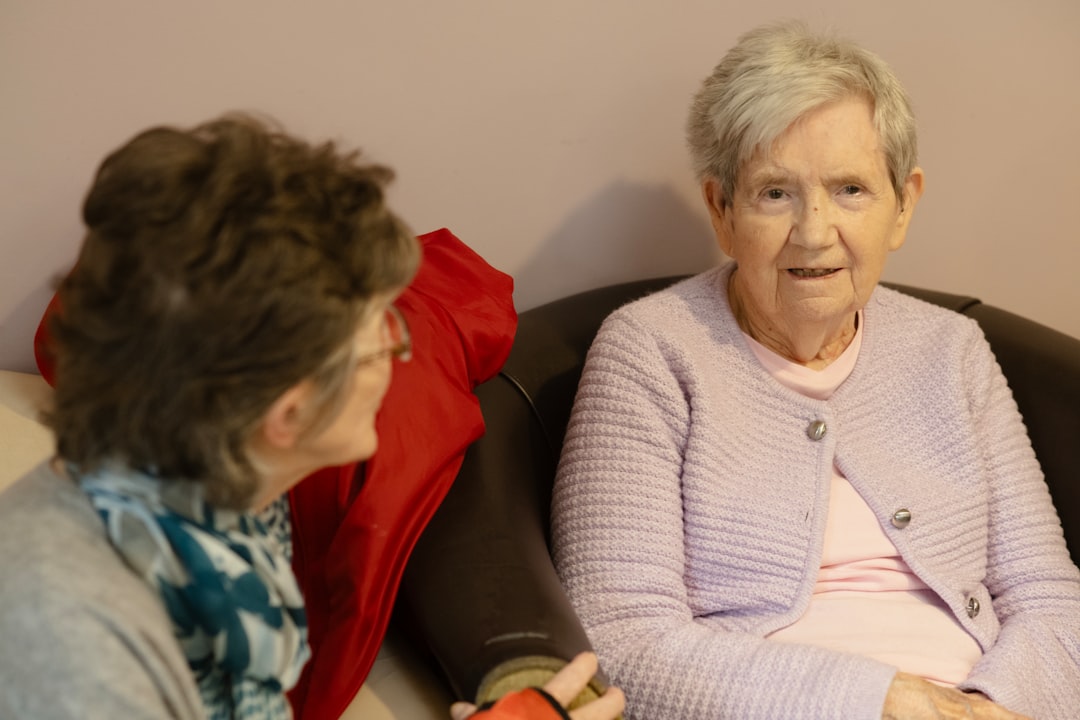
Some of the most knowledgeable people in a room say the least. Experience has a way of changing how people contribute. Instead of feeling the need to comment on everything, they learn when to speak, what to emphasize, and when simply listening is more valuable. Over time, confidence manifests as a quiet poise.
Experience Confers Perspective
People who have lived through many different situations tend to recognize patterns. They’ve seen plans change, problems resolve themselves, disagreements cool down, and unexpected opportunities appear.
As a result, they may respond differently when challenges arise. While others are reacting reflexively, experienced people frequently pause first. Instead of hesitation or uncertainty, that pause reflects perspective. They’ve learned that not every situation demands an immediate response, and their steadiness can influence how others around them react.
A Few Words Can Say a Lot
Experience often leads to greater precision. Instead of offering lengthy explanations, someone may ask a single question that shifts the entire conversation:
- “What happens if we wait a week?”
- “Have we seen this before?”
- “What’s the actual problem we’re trying to solve?”
These observations may sound simple, but they’re built on years of accumulated experience. The value lies not how much is said—it stems from what is noticed.
Listening Becomes a Skill
People sometimes assume wisdom comes from having answers. In reality, some of the wisest people spend the bulk of a conversation listening instead of talking. Someone who has spent years working with people, raising a family, mentoring others, or uplifting their community learns that advice without understanding is just empty words.
Rather than preparing the next response, experienced listeners ask thoughtful follow-up questions, allow pauses, notice what isn’t being said, and give people room to finish their thoughts.
That kind of attention can be surprisingly powerful—sometimes it can even lead to the person finding the solution on their own.
Calmness Communicates Confidence
One of the clearest signs of experience is emotional steadiness. People who have previously navigated setbacks, uncertainty, and change frequently approach challenges with composure.
They don’t necessarily know exactly what will happen next, but they do know that most situations are best handled one step at a time. Their confidence comes less from certainty and more from having overcome uncertainty before.
They Don’t Feel the Need to Prove Themselves
Earlier in life, people sometimes feel pressured to demonstrate knowledge, competence, or expertise. Over time, that pressure typically fades.
Experience tends to create a quieter kind of confidence. People become more comfortable contributing when they have something valuable to add and remaining silent when they don’t. The goal shifts from being impressive to being helpful.
Others Notice More Than You Think
Interestingly, people pay close attention to those who speak thoughtfully and selectively. When someone consistently offers practical insight, good judgment, or a calm perspective, others listen more carefully whenever they choose to speak.
Their influence comes not from volume or verbosity but from a gradual build-up of credibility.
Why This Matters
Experience changes communication in subtle ways. It teaches that insight doesn’t need to be constant to be valuable and that the most meaningful contribution can be a well-timed observation, a thoughtful question, or a reassuring presence.