As homes evolve, many people make adjustments that improve comfort, accessibility, and ease of use. Some people worry, though, that practical changes can feel overly clinical or institutional if they aren’t approached thoughtfully. The good news is that a home can become significantly easier to live in without losing its warmth, personality, or familiarity.
Focus on Comfort First
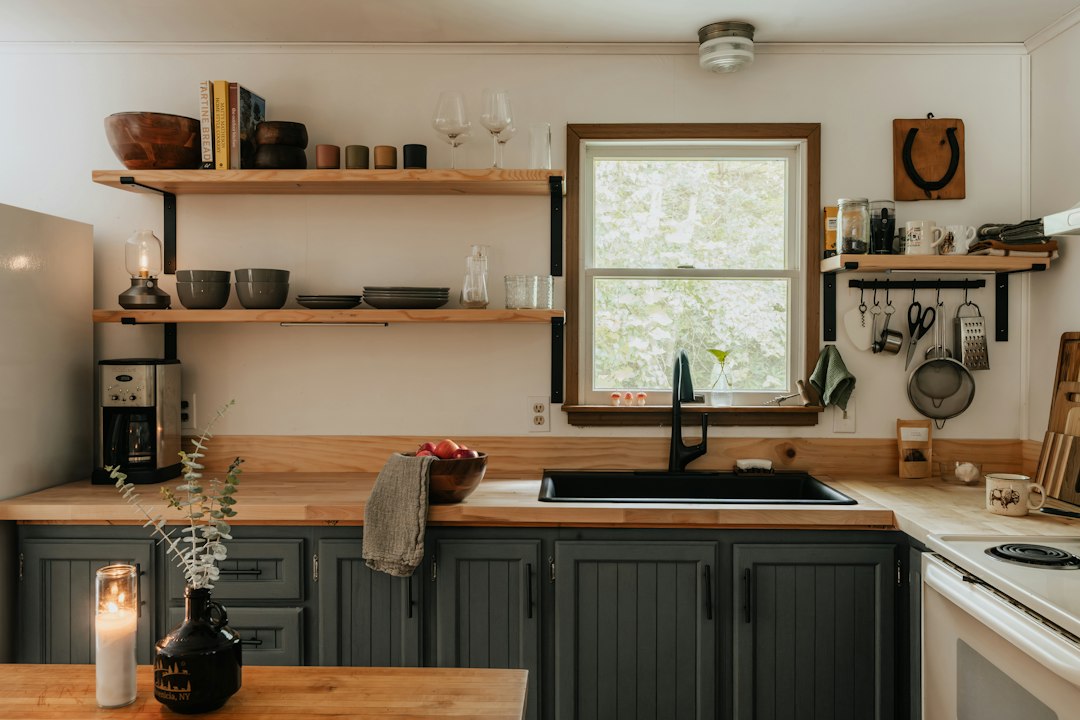
The most successful changes usually begin with elevating comfort rather than “fixing problems.” While a chair that’s easier to get out of, softer lighting near a favorite reading spot, placing shoes and jackets near entryways, or moving frequently used dishes within easier reach doesn’t change the character of a home, it does make daily life smoother. When changes feel natural and integrated into everyday routines, they rarely feel clinical.
Choose Everyday Objects That Work Better
Many practical items now come in versions that blend naturally into a home environment:
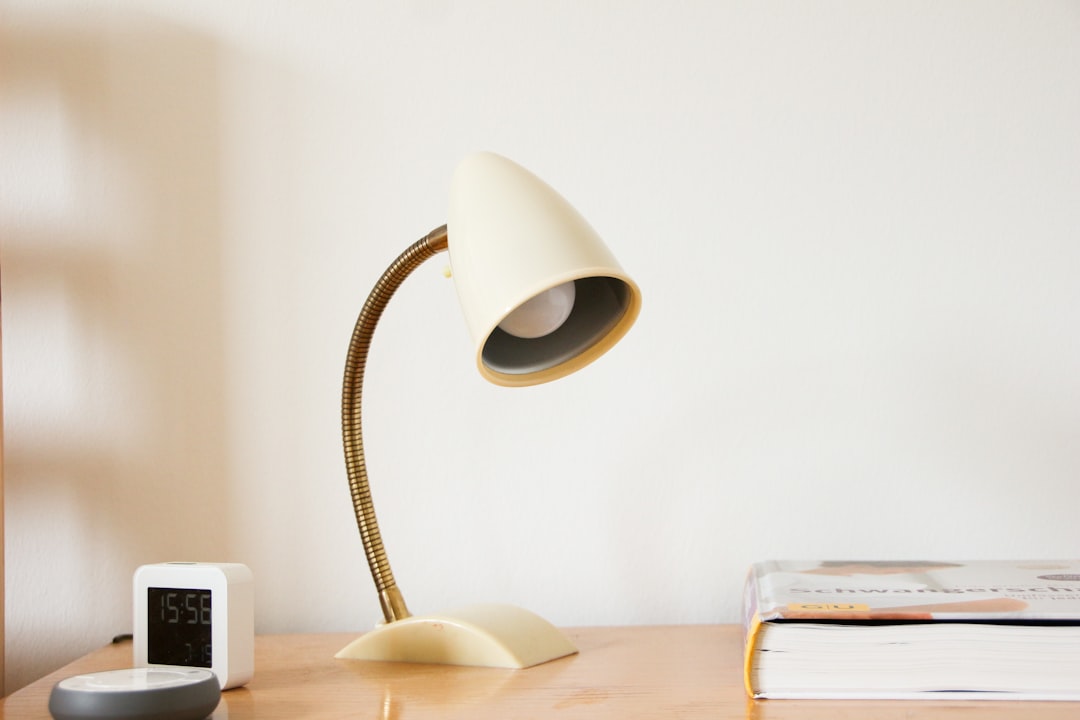
- attractive (sometimes smaller) lamps that provide better lighting
- sturdy furniture that still feels inviting
- baskets and trays that reduce clutter
- kitchen tools with easier grips that still look ordinary
Replacements like these may feel minimal, even trivial, but in the aggregate, they quietly reduce friction in daily tasks.
Improve Movement Without Redesigning Everything
Small adjustments at times make the biggest difference. Clearing narrow walkways, reducing unnecessary clutter, or creating easier paths between commonly used spaces can immediately make a home feel more functional and inviting. Usually, the house itself doesn’t need major changes, just slightly more intentional spacing.
Keep Personal Items Visible
One thing that keeps a home feeling warm is the continued presence of meaningful objects:
- books stacked near a chair
- family photos on display
- favorite mugs within reach
- familiar blankets over a sofa
- artwork collected over time
These details preserve personality and continuity, even as practical changes occur elsewhere.
Lighting Changes the Feeling of a Space
Light affects mood as much as visibility in a home. Good lighting can make a home feel both easier to use and more welcoming. Softer evening lighting, brighter task lighting in kitchens, or a warm lamp in a hallway frequently do more to improve comfort than expensive renovations.
Ease and Warmth Can Coexist
Sometimes people resist helpful adjustments because they worry it means “giving in” to aging. But making a home easier to navigate or maintain isn’t about limitation—it’s about preserving comfort, independence, and enjoyment within. A home that works well often feels more relaxing, more meant for its occupants.
Why This Matters
As life changes, homes should continue supporting the people who live in them. Thoughtful adjustments can improve daily life significantly while still preserving the warmth, familiarity, and personality that make a home feel truly lived in.