
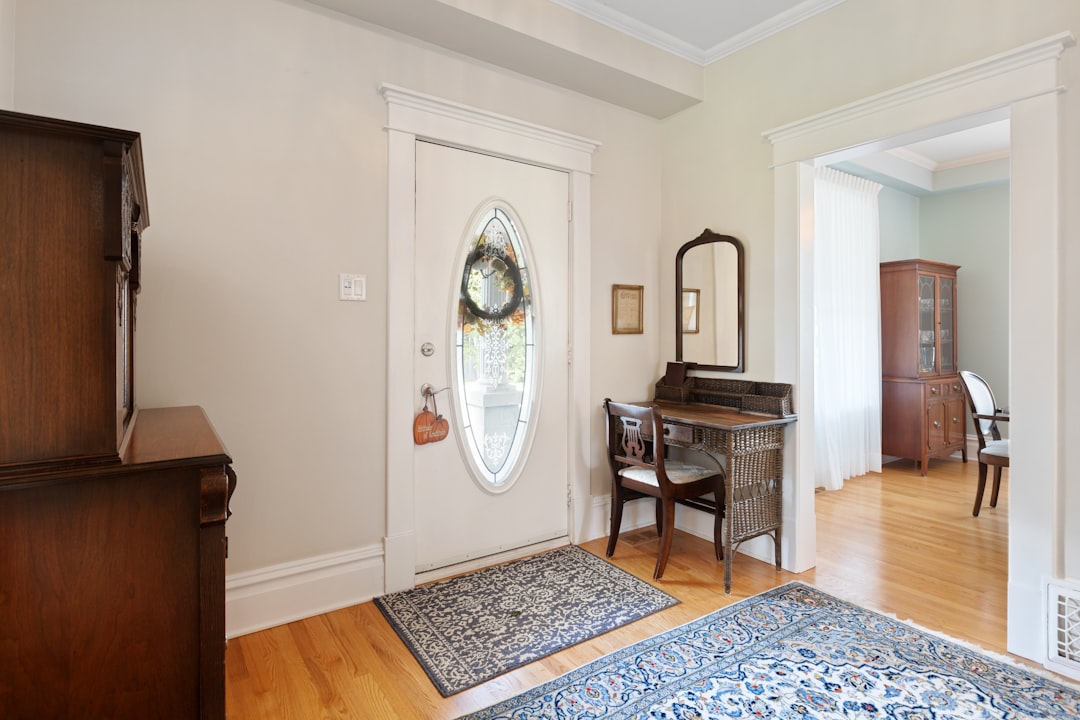
The entryway is one of the hardest-working parts of any home. It’s where people arrive, leave, drop things, look for things, and amass small piles of items they intend to deal with later.
Yet, because it’s usually passed through rather than lingered in, it can easily become a source of daily frustration. Thankfully, a few thoughtful adjustments can transform an entryway from chaotic to supportive.
Give Frequently Used Items a Permanent Home
Many entryway frustrations come from the same question being asked repeatedly: “Where did I put that?”
Keys, sunglasses, umbrellas, shopping bags, dog leashes, and mail often migrate around the house unless they have a designated place to live. A simple tray, basket, wall hook, or small shelf near the door can make everyday departures noticeably smoother. The goal isn’t perfection—it’s reducing the amount of searching required before leaving the house.
Create a Landing Spot for Incoming Items
Homes work more smoothly when incoming items have somewhere to go.
Consider creating a dedicated place for
- flyers
- library books
- parcels waiting to be opened
- items that need to leave the house again
Without a system, these things frequently end up on dining tables, kitchen counters, or nearby chairs. Even minor additions, such as a small basket or corner shelf, can prevent clutter from spreading beyond the entryway.
Separate Daily from Occasion Shoes
Shoes are one of the most common sources of entryway congestion. Rather than trying to store every pair at the front door, many people find it helpful to keep only the most frequently worn shoes there—slippers or sneakers might sit near the door, while heels or dress-up shoes might be stored in a closet for special occasions.
Additionally, it can be helpful to add furniture to accommodate your shoes. A simple bench, shoe tray, or low shelf can help keep the area organized while making it easier to put shoes on and take them off comfortably. The fewer scattered obstacles near the door, the easier the space feels to use.
Improve the Lighting
Entryways often suffer from poor lighting because people spend relatively little time there. Yet good lighting makes a significant difference when finding keys, reading mail, tying shoes, or welcoming visitors.
A brighter bulb, a nearby lamp, or more sunlight near the door can instantly make the space feel more inviting and functional.
Think About What Happens When You Come Home
Many people organize their entryway around leaving the house, but returning home matters just as much.
Ask yourself the following questions:
- Where do I naturally put my coat?
- Where do groceries end up?
- Where do I set down my bag?
- Where do I place items that need attention later?
Designing the space around real habits rather than strictly aesthetics usually produces more comfortable results.
Make the Space Feel Welcoming
That being said, while practicality matters, atmosphere is important too. A favorite photograph, a small plant, a seasonal wreath, or a piece of artwork can make the entryway feel more intentional and homey.
Since it’s the first space you see when returning home, even a small touch of personality can change the feeling of arrival.
Why This Matters
The entryway is a place most people use multiple times every day, yet it so frequently gets neglected when it comes to planning a space. Small improvements there can eliminate dozens of tiny frustrations and create a smoother start and finish to everyday routines.