Some friendships grow through long conversations. Others grow side by side, through shared activities. Later in life, many people find that activity-based friendships feel easier, steadier, and surprisingly meaningful.
The Activity Does the Introducing
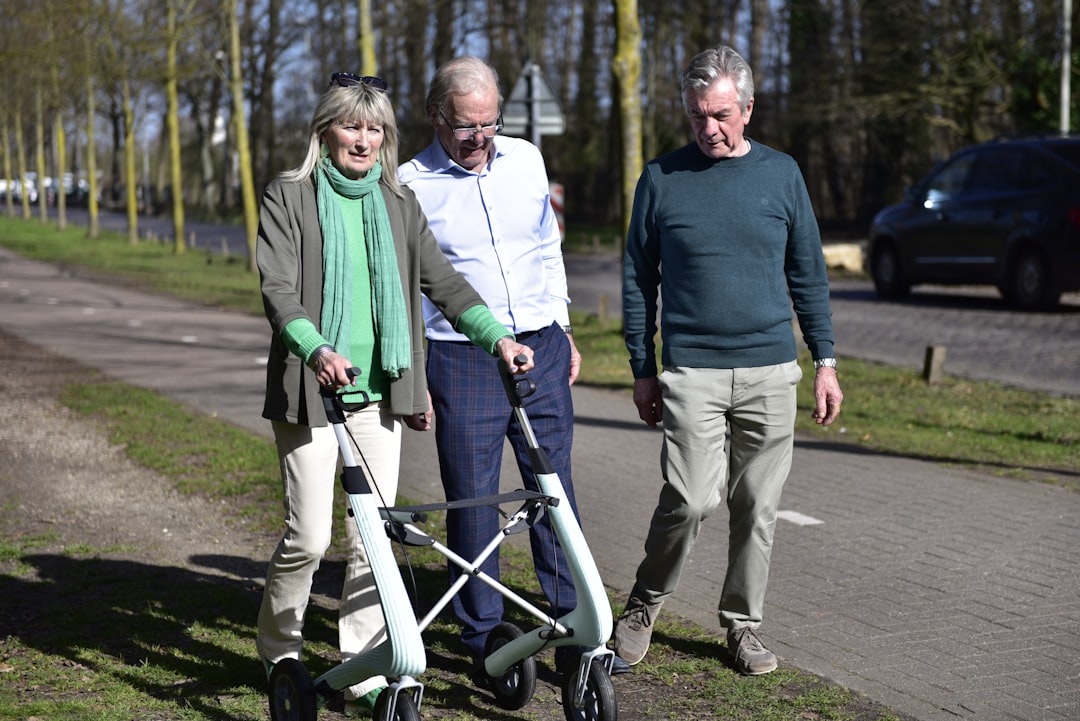
Activity-based friendships often start without much effort. You meet through a walking group, a weekly card game, a volunteer shift, or a class that meets at the same time each week. There’s no pressure to exchange life stories right away — the activity itself provides a natural way to connect. You learn names while setting up chairs, shuffling cards, or walking the same route together.
Conversation Happens in Small, Natural Pieces
Instead of sitting across from each other trying to “catch up,” conversation unfolds gradually. You talk while doing something else — comparing recipes while volunteering, chatting during breaks, or sharing observations on a walk. These short exchanges add up over time. Familiarity grows without feeling forced.
Shared Rhythm Builds Trust
Seeing the same people regularly creates a rhythm. You notice who always arrives early, who brings snacks, who checks in when someone is absent. Trust develops through consistency, not intensity. You come to rely on each other in simple ways: holding a spot, passing along information, showing up.
The Relationship Has Built-In Boundaries
Activity-based friendships tend to have clear edges. You see each other during the activity, maybe grab coffee afterward, and then go home. There’s no expectation of constant contact. That structure makes these friendships sustainable — they fit easily into full lives without becoming demanding.
Connection Grows Without Pressure
Over time, shared experiences create familiarity. You celebrate small milestones, notice changes, and offer support when needed — all within the framework of what brought you together. The friendship deepens organically, without requiring emotional heavy lifting.
Why These Friendships Last
Activity-based friendships work because they’re grounded in presence, routine, and shared purpose. They offer companionship without obligation and connection without complexity.