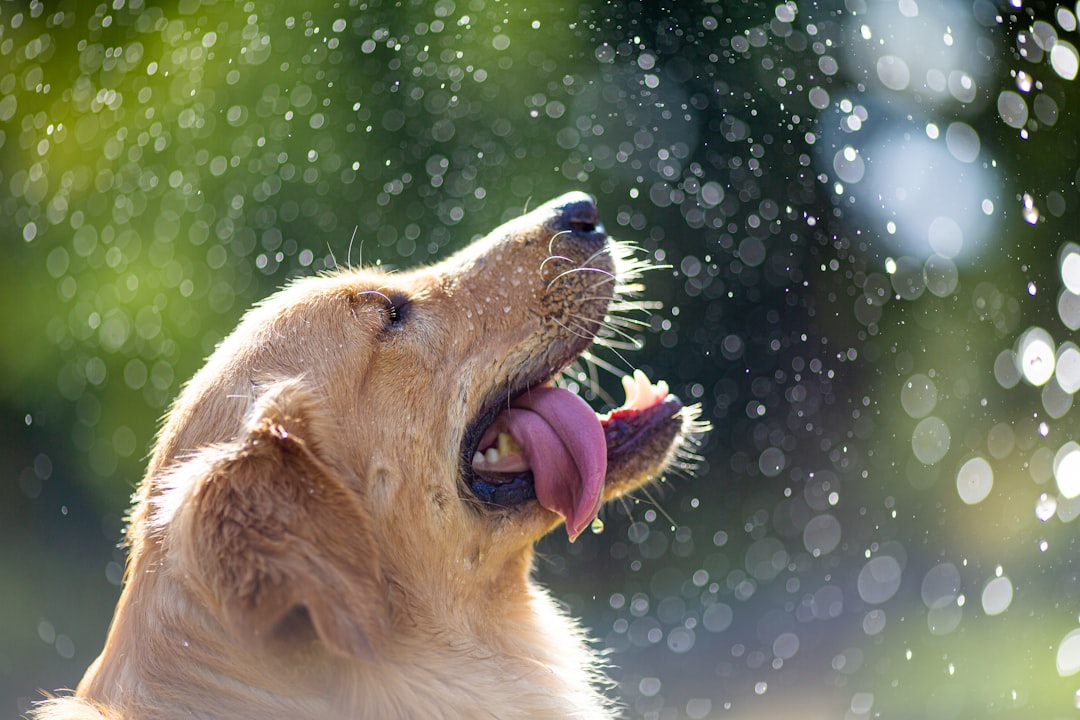
The heat is serious right now, and if you do not have central air conditioning, your dog is feeling every degree of it right alongside you.
Here is something worth understanding. Dogs do not sweat the way we do. They cool themselves almost entirely by panting. That means hot, still air in the house is not just uncomfortable for them; it can actually make it harder for their body to do its job.
Dr. Jennifer Bruns of PetSmart Veterinary Services put it plainly. “Dogs really need to ventilate,” she told Newsweek. “They’re hot and panting, so movement of air is really important.”
Simple Ways to Cool Things Down at Home
You do not need fancy equipment to help your dog through a heatwave. Dr. Bruns says the goal is to create the coolest environment you can with what you have.
- Set up a fan to get air moving through the room
- Put out multiple water bowls around the house so fresh water is always close by
- Let your dog find a cool tile or hardwood floor; those surfaces pull heat away from their body
- Try a cooling mat, or simply wet a small area of the floor for them to lie on
One important note from Dr. Bruns: never force your dog onto a specific surface, and watch for slipping on wet floors.
Humidity matters too, not just temperature. On muggy days, panting becomes less effective, so your dog may need even more help.
What Not to Do When Your Dog Is Hot
A few common instincts can actually backfire. Dr. Bruns warns against two in particular.
First, draping a wet towel over your dog traps heat instead of releasing it. A better move is to lay a cool, damp towel on the floor and let your dog rest on top of it. That keeps air moving around them.
Second, do not reach for ice water or an ice bath. “Pouring super cold, icy water on top of their pets or submerging them in water can potentially cause a shock,” Dr. Bruns said. Cool water is fine. Ice cold is not.
Warning Signs Your Dog Is Overheating
Watch for these early signs that your dog is struggling:
- Excessive panting
- Excessive drooling
- Difficulty breathing
- Weakness
- Stumbling or acting uncoordinated
More serious symptoms include vomiting, diarrhea, sudden collapse, or seizures. If you see any of these, do not wait.
“Heat stroke progresses extremely quickly,” Dr. Bruns said. If your dog shows severe signs, get them into an air-conditioned car and head to the vet right away and call ahead while you are on the way.
Keeping Your Dog Mentally Active When Walks Are Off the Table
On the hottest days, even a short walk may not be safe. But your dog still needs something to do.
Dr. Bruns recommends indoor enrichment to replace outdoor exercise: food puzzles, lick mats, and frozen toys are all good options. “I love putting toys in the freezer and giving them to dogs,” she said. “Licking on something cold gives them something to do when it’s hot and they don’t feel like moving around.”
You can also load your dog into a cool car and take a trip to a pet-friendly store. “You can walk the store; it’s cool, and it gets your dog out of the house,” Dr. Bruns said. “There are lots of scents, toys and treats. Sniffing really gets a dog’s brain working.”
Dogs That Need Extra Attention in the Heat
Any dog can overheat, but some need closer watching. Flat-faced breeds: French bulldogs, pugs, and Boston terriers have shortened airways that make temperature regulation harder. “Those dogs have a harder time dealing with the heat,” Dr. Bruns said. “If you have one of those dogs, you want to be extra vigilant.”
Extra care also goes to:
- Puppies, whose temperature regulation is not yet fully developed
- Senior dogs
- Dogs with heart, kidney, or respiratory conditions
Long-haired and dark-colored dogs may also need additional monitoring, though Dr. Bruns notes that coat color alone does not determine how well a dog handles heat.
Your dog counts on you every day. On the hottest days of the year, that trust means a little extra attention and it makes all the difference.