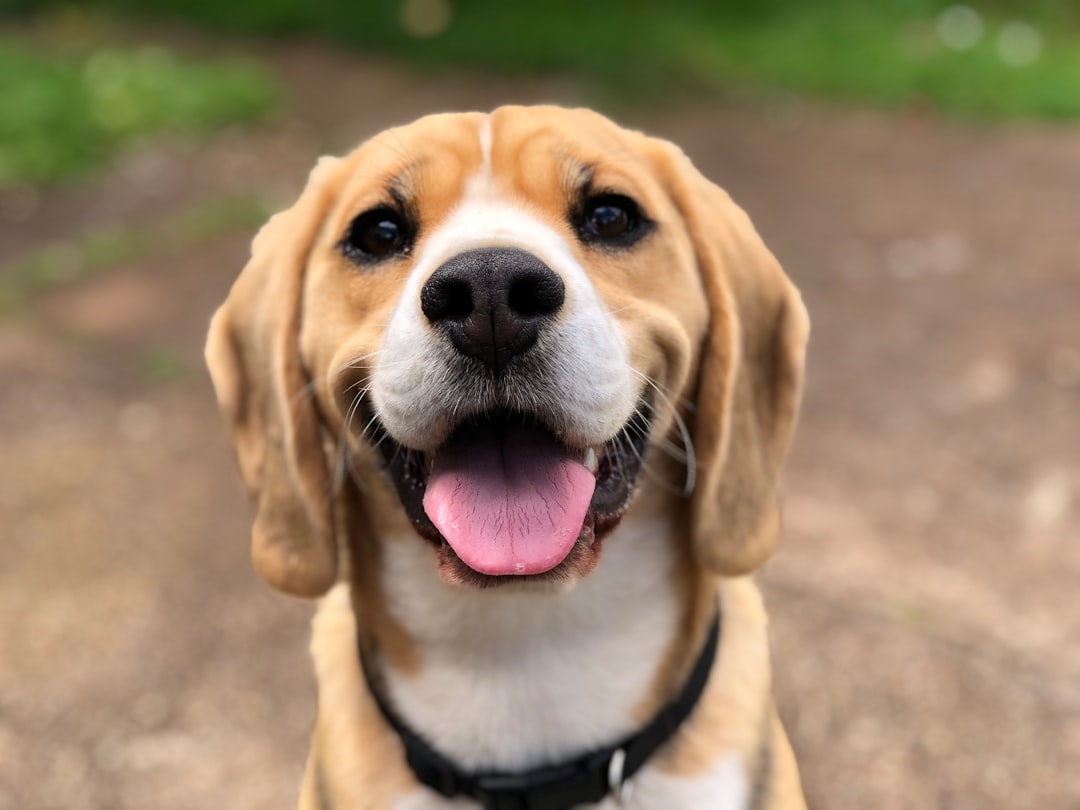
Your dog greets you at the door, wags through dinner, and acts like life is perfect. So how would you ever know if something was bothering them?
That is the tricky part. Dogs are remarkably good at hiding discomfort, especially when it comes to their mouths.
The Signs Your Dog’s Mouth May Be Hurting
Tooth pain does not always look like pain. It hides in small changes you might chalk up to mood or age. Here are some things worth paying attention to:
- Eating more slowly than usual
- Dropping food or chewing on just one side
- Turning away from crunchy treats they normally love
- Breath that suddenly smells worse than usual
- Drooling more than normal
- Acting quieter, clingier, or less interested in play
- Getting grumpy when touched near the face
Any one of these on its own might not mean much. But a few of them together? That is worth a closer look.
And when a dog’s mouth hurts, it affects more than eating. Walks can feel less exciting. Playtime gets shorter. Their whole mood can shift in ways that are easy to misread as just getting older.
Bad Breath Is Not Just “Dog Breath”
A lot of us assume that funky smell is just part of having a dog. But the source article notes that 80 to 90 percent of dogs show signs of dental disease by age three. And dental disease does not stay in the mouth; it can be linked to health issues involving the heart and liver as well.
In other words, staying on top of your dog’s dental health is about a lot more than fresh breath. It is part of keeping them well overall.
Keeping Your Pup Safe in the Summer Heat
While we are talking about watching out for our dogs, summer brings its own set of things to keep in mind. Dogs cool themselves mostly by panting, so hot days can become dangerous faster than you might think.
A few simple habits make a real difference:
- Walk early or late: Aim for morning or evening when the pavement and air are cooler. Skip long outings during the hottest part of the day.
- Test the pavement: If you cannot hold the back of your hand on the ground for five seconds, it is too hot for your dog’s paws.
- Bring water: Carry fresh water and a collapsible bowl, even on short walks.
- Never leave them in the car: Even a mild day can turn dangerous quickly inside a parked vehicle.
- Keep them cool indoors: Frozen dog-safe treats, puzzle toys, scent games, and short training sessions can keep your dog happy without overheating.
Watch for heavy panting, thick drool, vomiting, weakness, confusion, or red gums. If you see any of those signs, get inside, help them cool down, and call your vet.