The 1920s were a remarkable time in America. Business was booming, cities were growing, and the country was buzzing with a kind of optimism that felt almost electric. It was in May 1926 that Henry Ford gave his workers Saturdays and Sundays off, one of the first real modern weekends. Life was changing fast.
So what did people actually do for work back then? Here is a look at five of the most common jobs in America during that era.
Bricklayer
The 1920s brought a massive expansion of infrastructure across the country. New buildings were going up everywhere, and bricks were one of the main materials used to build them. That meant bricklayers were in high demand.
A big part of the reason was a new invention: brickmaking machines that could produce up to 12,000 bricks a day. More bricks in supply meant more workers needed to lay them. It was a busy trade.
Domestic Service
Working as a housekeeper or maid was one of the most common jobs for women in the 1920s. Domestic service had been around for generations, though it had started to slow down after the First World War.
As the decade went on, fewer people wanted these roles. Office work and retail jobs were opening up, and many women preferred positions that did not require living with an employer. Demand for servants began to outpace the number of people willing to fill those jobs.
Lumberjack
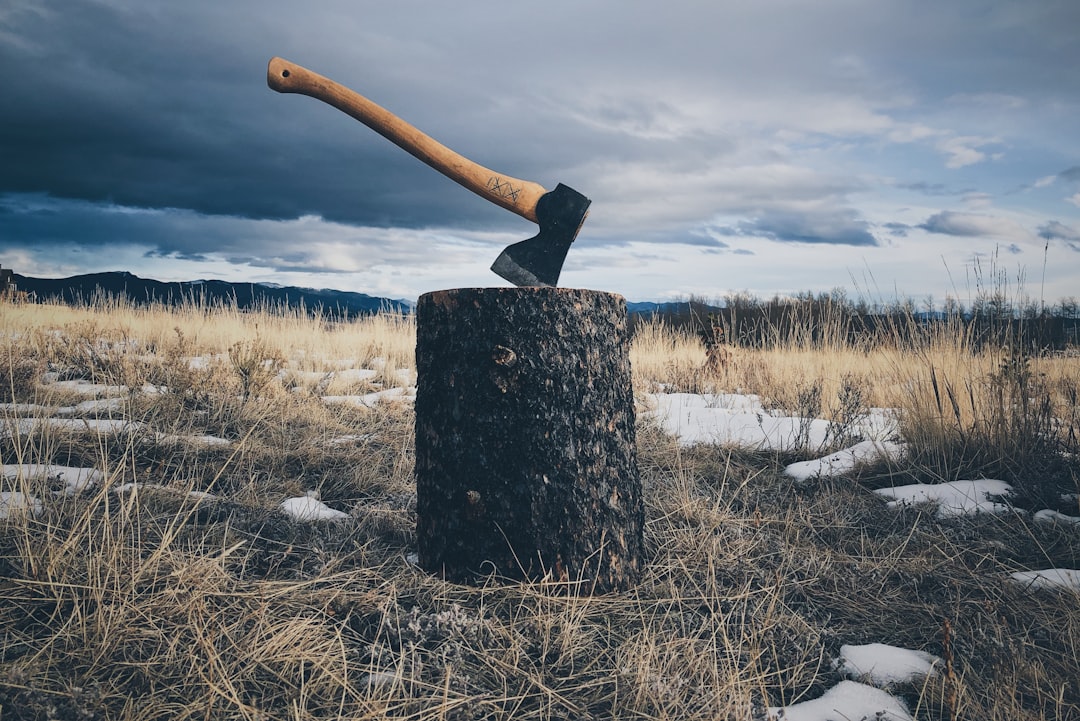
America’s forests fed a steady hunger for wood. Trees were turned into paper, furniture, houses, and fuel and someone had to fell them. That someone was the lumberjack.
The term began in Canada but spread across North America. Lumberjacks went wherever the trees were and wherever there was a need for them. Surviving photographs from the era also show something else: a strong sense of community among the men in this line of work.
Salesperson
The prosperity of the Roaring Twenties meant more businesses, more products, and more workers needed to sell them. Retail work became common for both men and women: some behind counters in shops, others on the road.
The traveling salesperson became a real fixture of American life during this period. These were the folks who went door to door, town to town, trying to convince people to buy. It was the birth of a very American kind of hustle.
Typist
As businesses expanded, offices needed help keeping things running. Typists were in demand. A 1926 article in the New Republic noted that the workforce was shifting, and women were a growing part of it.
Typists often worked alongside stenographers. The stenographer would take notes in shorthand during meetings, and the typist would then type those notes onto paper. It was teamwork that kept the modern office moving.
A century later, it is something to think about. The jobs that once defined everyday American life, like laying bricks, felling trees, selling door to door have changed almost beyond recognition. But the people who did them built the country we grew up in.