For years, the advice for a happy retirement has been the same: keep busy. Travel. Pick up hobbies. Stay active. And while none of that is bad advice, a psychologist says there is one habit that quietly does something those things cannot.
It is not about filling your calendar. It is about being expected somewhere.
Why Showing Up Matters More Than Staying Busy
Dr. Sal Raichbach, a psychologist and Chief Clinical Officer for Haven Health Detox Group, put it simply. A retiree who takes a weekly class, helps a student read, or does a standing skill-swap with a younger neighbor is working four things at once: memory, attention, emotional awareness, and social judgment.
That is a lot of return on one small habit.
It could look like almost anything. Volunteering at a local school. Joining a community class. Meeting a neighbor every week to share skills. The activity matters less than the fact that someone is counting on you to show up.
What the Research Says About Learning Later in Life
The science backs this up. A nationally representative NIH study of 12,099 adults aged 65 and older found a positive connection between taking education or training courses and overall cognitive performance. The estimated benefit was roughly equal to a five-year difference in how the brain functions.
That is a meaningful number. And yet only 10.2 percent of those adults reported taking a course even once a month.
It does not have to be a college class. A language course, a technology workshop, or a local history class all count. Anything that introduces new information and challenges your thinking keeps the brain engaged.
The Case for Spending Time With Younger People
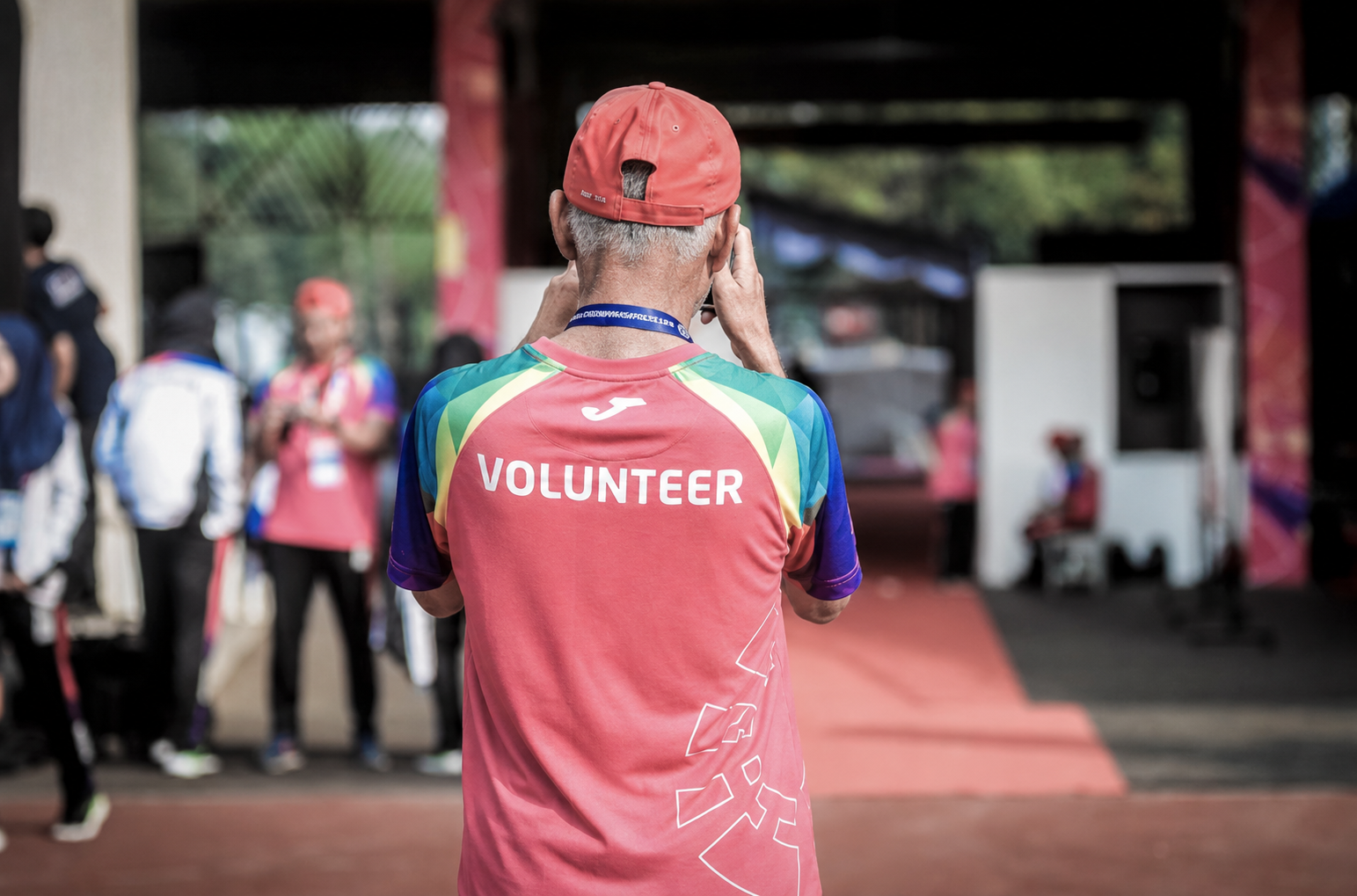
Mixing generations adds another layer of benefit. AARP’s Experience Corps program places older adults in elementary school classrooms as volunteers. An NIH analysis found that this kind of volunteering was linked to better cognitive functioning over time. Researchers credited the mental, social, and physical activity that came with it.
Dr. Raichbach explained why the age gap itself helps. When older adults regularly spend time with younger people, they encounter different perspectives, different skills, and different ways of thinking. That keeps both cognitive and social abilities sharp.
“Inter-generational contact may help because it gives the brain a reason to remain adaptable,” Dr. Raichbach said.
Feeling Useful Is Good for the Heart, Too
The emotional side of this is just as important. According to the University of Michigan’s National Poll on Healthy Aging, 34 percent of U.S. adults between the ages of 50 and 80 reported feeling isolated from others in 2023. That is more than one in three people.
Dr. Raichbach says that weekly classes, mentorship, and community gardens all give retirement a structure that entertainment alone cannot provide. More than that, they let you feel useful — not just occupied.
There is a real difference between those two things. Feeling needed gives the day a different weight than simply passing the time pleasantly.
So if you are looking for one small change that could mean a great deal, it may not be about adding more to your schedule. It may be about finding one place each week where someone is glad you walked through the door.