
What Your Gen Z Grandkids Are Missing and How You Can Help
August 24, 2026 — 65Nation
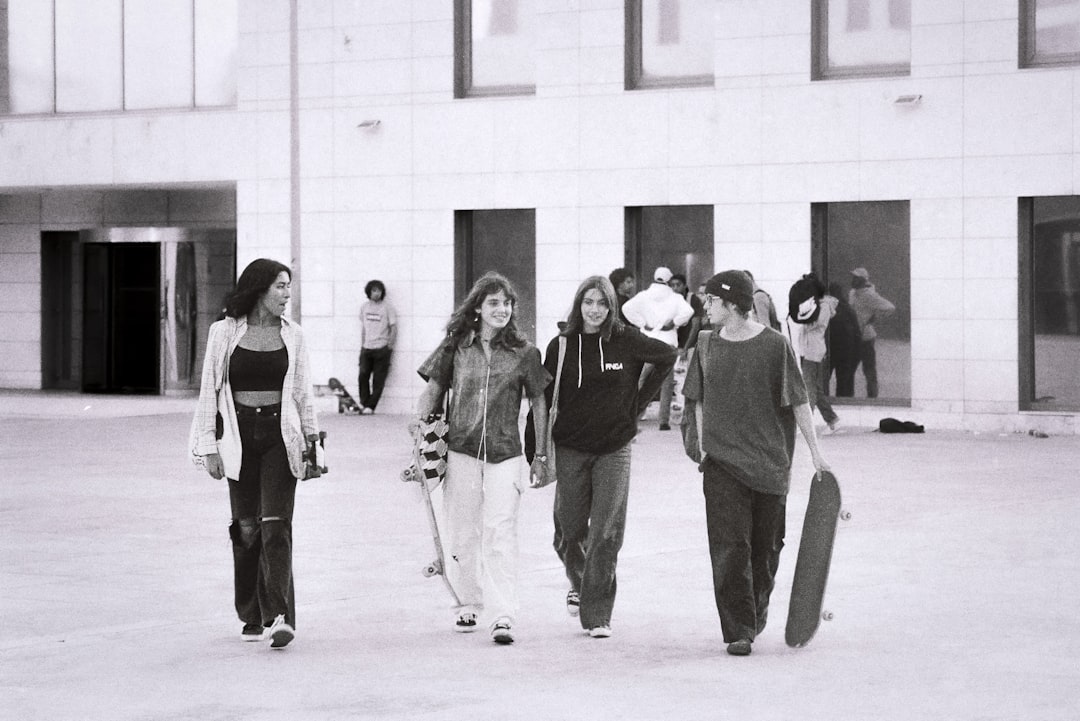
If you have ever sat down for a meal with a grandchild and watched them glance at their phone every few minutes, you are not imagining things. Something has shifted for this generation and two experts say it goes deeper than just table manners.
Gen Z, those born between 1997 and 2012, are the first generation to grow up in a fully digital world. And while that comes with real advantages, it has also left some gaps. Two life skills, in particular, are proving hard for many of them to develop.
The encouraging part? You are actually well-placed to help.
The First Gap: Being Present in the Moment
Nicole McDaniel, a board-certified career coach, licensed professional counselor, and founder of Nicole M. Coaching, told Parade that the number one life skill Gen Z grads struggle with is the ability to be present and live in the moment.
Constant notifications, messages, and the pull of the screen make it hard to simply be here. McDaniel points to something as ordinary as a shared meal. How often does someone at the table reach for their phone? For Gen Z, she says, those digital distractions are completely normal. They grew up that way. But it means the art of being present is a skill many never had the chance to develop.
The good news is that you can model it without saying a word.
When your grandchild comes to visit, put your phone down. Close the book. Turn off the TV. Give them your full attention. McDaniel calls that kind of intentional, present conversation an invaluable gift.
You can also introduce them to hobbies you love that require real focus: cooking together, crafting, or even a game of Mahjong. McDaniel says activities like these are meditative and naturally guide a person toward being in the here and now. The key, she adds, is reducing distractions and turning attention to the present moment.
One more thing worth discussing: boundaries around response time. McDaniel notes that many young people feel an unspoken pressure to reply to every text or email immediately. Sharing your own experience that most messages can wait, that taking a pause before responding has real value is something only someone with a few decades of perspective can offer.
The Second Gap: Knowing What to Trust Online
Dr. Bedford Palmer II, PhD, a licensed psychologist, professor, and counseling department chair at Saint Mary’s College of California, has watched a different skill slip. He calls it media literacy and he says many Gen Z students and grads genuinely struggle to tell the difference between credible information and information shared by unreliable sources.
It shows up in surprising ways. Dr. Palmer told Parade that young people have been taught how to find sources, but seemingly little about how to determine credibility. When information is easy to find online, he explains, visibility gets mistaken for expertise. If something confirms what someone already believes, red flags around accuracy tend to get overlooked.
With social media and artificial intelligence shaping so much of what young people see, he says the challenge is only growing. Learning to use AI as a tool rather than a substitute for their own voice, and being able to tell an actual authority from a loud mouthpiece, are skills they will need.
Here is where you can help gently.
- Lead with curiosity, not correction. When your grandchild shares something you doubt, ask where they heard it and who first thought it up. Dr. Palmer recommends modeling intellectual challenge without making it feel like an attack.
- Look at your own habits first. Before raising the subject, Dr. Palmer suggests reflecting on where you get your own information. Then model making changes and normalize the idea that it is always okay to recalibrate.
- Consider paying for access to credible sources. If you are able to, Dr. Palmer recommends paying for subscriptions to reputable digital newspapers for your grandchildren, ones that sit behind a paywall and hold to editorial standards.
Dr. Palmer offers a reminder worth holding onto. “It is easy to judge young folks,” he says. “We like to believe that if we were in their shoes, we would make better decisions. But in reality, at that age, we had different challenges. We can be helpful by letting go of the judgment and replacing it with our actual experiences.”
That is something only a grandparent can offer. Not a lecture, a life.