Learning Together: Activities Grandparents and Grandkids Love
August 7, 2026 — 65Nation
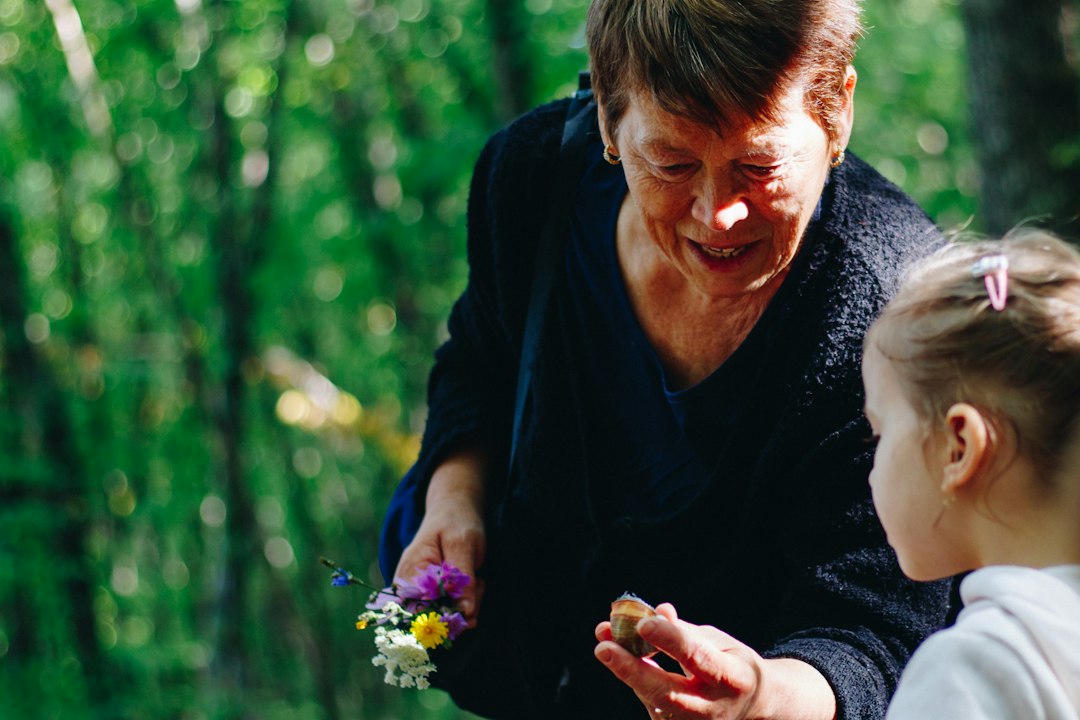
There are no grades here. No test coming up on Friday. No bell about to ring. When a grandparent and grandchild sit down to learn something together, all of that falls away. What is left is pure curiosity, shared time, and the simple joy of discovery passing between two generations.
And that is something special. Something a classroom cannot give.
You bring things to the table that no teacher can replicate. Patience earned over a lifetime. A treasure chest of stories. The kind of unhurried attention that makes a child feel truly seen. That is a rare gift, and your grandkids feel it even when they cannot name it.
Learning together does not have to mean hitting the books. It can look like anything the two of you are curious about. A game, a project, a topic neither of you knows much about yet. The subject almost does not matter. The time together does.
Be beginners together
Here is the part most people skip. The best subject is usually one where you are both starting from zero.
Something shifts in a child when they watch an adult be bad at something. The pressure comes off. Being wrong stops looking like failure and starts looking like the first ordinary step. A grandchild who has only ever seen you as the one who knows the answer learns something different, and something more useful, from watching you not know.
There is a bonus in it for you. Researchers at the University of Texas at Dallas spent three months following adults who took up a genuinely hard new skill, alongside others who simply socialized or did easy familiar tasks. Only the ones learning something difficult ended up with sharper memory. Getting out of the house was not the active ingredient. Being a beginner was.
So bring a different question to your grandchild. Instead of asking what you can teach them, ask what the two of you should go find out about.
Start with whatever is outside the window
Birds are the easiest place to begin. A cheap pair of binoculars, a field guide from the library, and a notebook are the whole setup. Every bird that lands gets written down. That is it.
The list is what hooks a child. It grows, it belongs to them, and it gives them a reason to look out the window at your house instead of down at a screen. Within a month, a seven-year-old will be correcting you on the difference between a house finch and a purple finch, and enjoying every second of it.
If birds are not their thing, the same setup works for trees by their leaves, clouds by their shape, or tracks in the mud after a rain.
Look up
A paper star chart costs a few dollars and never needs charging.
Learn three constellations. Just three. Then go out on the porch after dinner and find them, and keep finding them until the two of you can do it without the chart. After that, start tracking the moon. A child who learns to spot a waxing crescent will point it out to you for the rest of their life.
This one has a quiet advantage. The sky is the same sky from every driveway in America. A phone call at nine o’clock while you are both standing outside looking at the same moon costs nothing and feels like something.
Cook something neither of you has made
Set the family recipe aside for one afternoon. That one already belongs to the two of you.
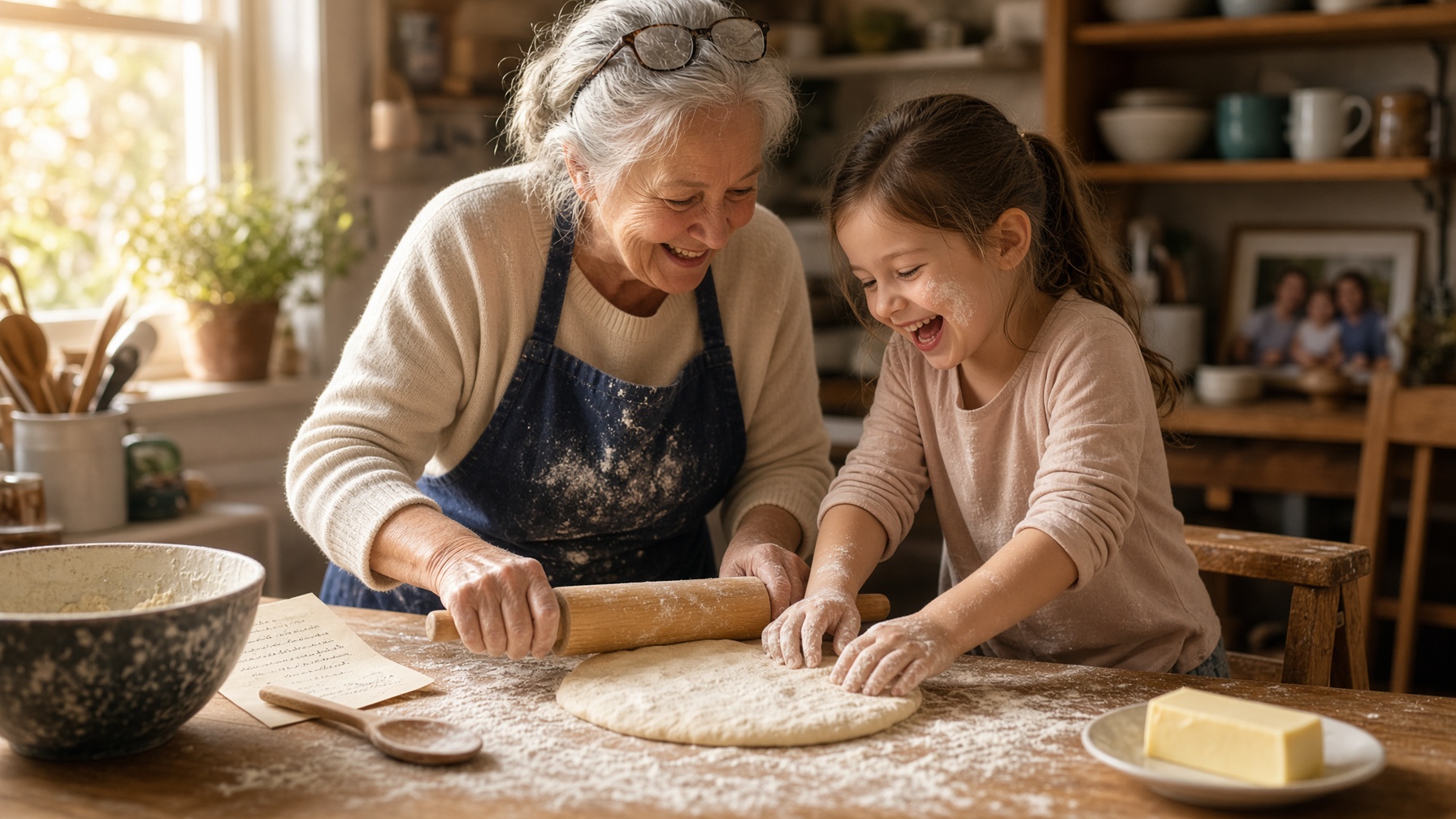
Instead, pick a country. Look up one dish from it that neither of you has ever attempted, and make it together with the instructions propped open on the counter. You will both be reading the same words at the same time. You will both get part of it wrong. That is the entire point, and it is a completely different experience from teaching a child something you have made a thousand times.
Learn a game with a bottom to it
Some games take ten minutes to learn and stay interesting for forty years. Cribbage. Chess. Gin rummy. Backgammon. Dominoes.
Pick one neither of you plays well, learn the rules on the same evening, and then keep a running score in the back of a notebook. Not one game. A season of games. A child who is losing to you in March and beating you in September has learned patience, arithmetic, strategy, and how to lose without falling apart, and nobody had to call any of it a lesson.
Grow something from a seed
A jar of beans on a windowsill works. So does one tomato plant in a pot on a balcony.
What makes this a good project is the waiting. It creates a reason to check in every few days, which is exactly what a long-distance grandchild needs. How tall is yours? Has it flowered yet? Mine has three leaves now. Small updates, week after week, adding up to something both of you grew.
Build one thing
A birdhouse kit. A model. A paper airplane, thrown down a hallway, measured with a tape measure, then folded differently and thrown again to see whether it beat the last one.
Or leave a jigsaw puzzle out on a table where it stays for a week and anyone who walks past can add a piece. Some of the best conversations you will ever have with a grandchild happen while you are both looking at a puzzle instead of at each other.
A few things that make it work
- Keep it short. Twenty good minutes beats a long afternoon that ends in frustration.
- Follow their questions, even when the questions wander somewhere you did not plan to go.
- Say “I do not know, let us look it up” as often as it is true. It is the most valuable sentence you can model.
- Resist correcting everything. Some mistakes are worth leaving alone so they can be discovered later.
And notice that almost nothing on this list costs money, and every one of them can start this week.
Distance is no barrier, either. If your grandchild attends an online elementary school, you can step right into that world alongside them. Join a virtual lesson. Help with an assignment over a video call. Or simply be a friendly, familiar face on the screen while they work through independent study time. Your presence counts, even through a screen.