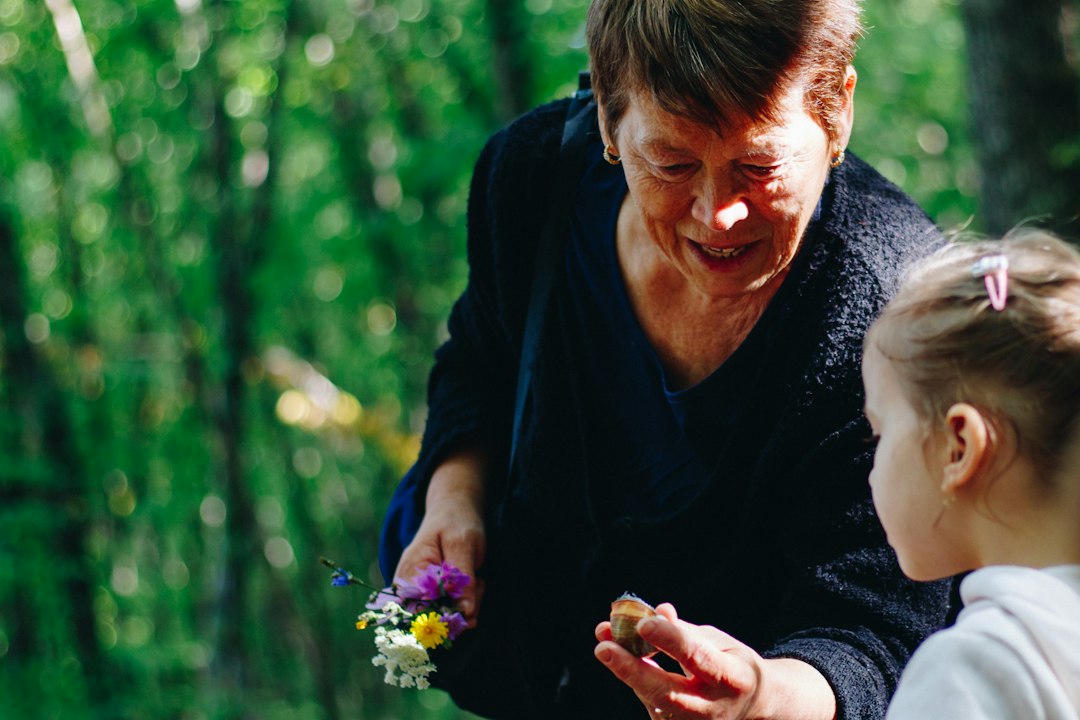
You know that look. A grandchild slumps in the chair, says something like “I’m so stupid” or “nobody likes me,” and every instinct you have says fix this right now.
It turns out, jumping in to fix it may be the one thing that backfires. Clinical psychologist Dr. Becky Kennedy, founder and CEO of Good Inside and a mom of three, has spent years studying what actually builds confidence in kids. Her answer to Parade might surprise you.
Confidence Is Not About Cheering Them Up
Dr. Becky says most parents and caregivers operate with the idea that confidence means getting a child out of a hard moment as quickly as possible. She disagrees.
“Confidence is like being with them in the moment,” she explains. It is not about pulling them up or pushing them further down. It is about showing up and staying there.
She also cautions against the old idea that a parent or grandparent’s main job is to make a child happy. “What we end up doing if we try to make our kid happy in childhood is we end up optimizing for fragility and anxiety in adulthood,” she says.
Instead, she encourages adults to think of confidence as self-trust, a child’s growing belief that they can handle what life puts in front of them.
The Bench Idea That Changes Everything
Dr. Becky uses a simple image to explain what kids actually need. She calls it the bench.
“Let’s say I’m there on the bench of ‘I don’t feel good at something.’ They’re on the bench of ‘I feel left out,'” she said. “They’re going to be on those benches forever. The only thing that makes those benches easier is that we kind of remember someone was there with us. We weren’t so alone.”
A child who remembers that a trusted adult sat with them through something hard, without panicking, without dismissing the feeling, learns something important. They learn that the hard thing was survivable. And if you could handle being near it, maybe they can handle it too.
From Global to Specific: A Simple Trick
When a grandchild says something sweeping like “I’m so stupid,” Dr. Becky says the best move is to gently bring it back down to earth.
“Intense feelings lead to intense words,” she explains. “Often when our kid says, ‘I’m so stupid,’ they’re actually just facing a really hard math sheet. It’s not so global.”
Her suggestion: stay on the bench with them by asking simple questions. What happened today? Tell me about this problem. That kind of conversation quietly tells a child that what feels like a catastrophe is actually something specific and something they can get through.
What to Say When They Feel Left Out
Say your grandchild is crushed because all their friends went to a concert and they did not get to go. Dr. Becky says buying a ticket to fix the problem or telling them not to care what everyone else is doing is not what builds confidence.
What helps is simpler. “That stinks. I get that. I’d be upset about that too,” she says.
That small moment of honesty does something big. When a child hears that a capable, steady grown-up would also feel that way, they stop thinking their feelings mean something is wrong with them. They learn it is okay to be upset. And that they do not have to fall apart over it.
As Dr. Becky puts it, “sometimes the simplest things can have the most positive impact.”
The Middle Ground That Builds Real Confidence
Dr. Becky is clear that there is a difference between trying to fix every hard feeling and collapsing into it with them. Neither extreme helps.
“There’s actually this middle ground, which is like, ‘I’m just kind of there with you,'” she says. That steady presence plants a seed; you are the kind of kid who can have this happen and still be okay.
As grandparents, we have something powerful to offer. We have lived through enough to know that hard moments pass. And when we sit with a grandchild in one of those moments without flinching, we show them, without a single lecture, that they can get through it too.
Dr. Becky’s goal for parents and caregivers is captured in one line she shares: prepare the kid for the road, not the road for the kid.