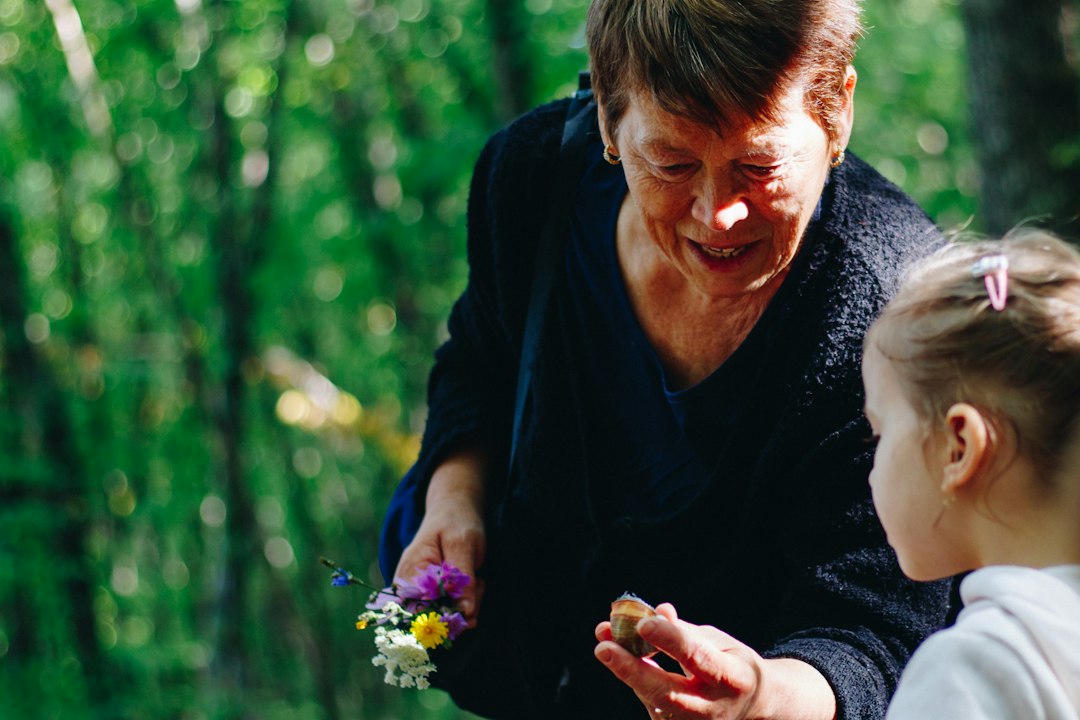

If you have ever watched a grandchild struggle with something and wondered whether to step in, you are not alone. That instinct to help is one of the best things about us. But according to child psychologist Dr. Jacqueline Shiels, stepping back just a little can be one of the greatest gifts we give them.
Kids today are facing real challenges. A 2023 report from Education Week, drawing on a ROX Survey of nearly 17,500 girls in 5th through 12th grades, found that confidence rates among young girls dropped from 68 percent to 55 percent since the COVID-19 pandemic and the rise of social media. That is a significant drop.
The good news is that confidence can be built. And it does not take big speeches or dramatic interventions. Dr. Shiels told Parade that small, daily habits are what actually move the needle.
“The most helpful reminder for parents is to focus on the journey, not the destination,” she says. “Let’s build confidence, not perfectionism.”
Here are the seven habits she recommends and every one of them is something grandparents can practice too, right alongside mom and dad.
Why Small Habits Work Better Than Big Expectations
Dr. Shiels explains that piling too much onto kids at once causes them to shut down. Smaller habits feel manageable. They create what she calls a sense of mastery and that sense of mastery builds from there.
“Think about us adults,” she says. “When we are overwhelmed we freeze. If you want to exercise five days a week and you never exercise, that goal is unlikely to be achieved.”
Small wins, she explains, tell the brain: You did it. You can do it again. That is how confidence takes root.
When kids are young, they also need outside encouragement to get going. Dr. Shiels calls this extrinsic validation: a kind word, a specific compliment, a moment of recognition. Over time, that outside praise helps them develop the inner drive to keep going on their own.
The 7 Habits
1. Give them agency
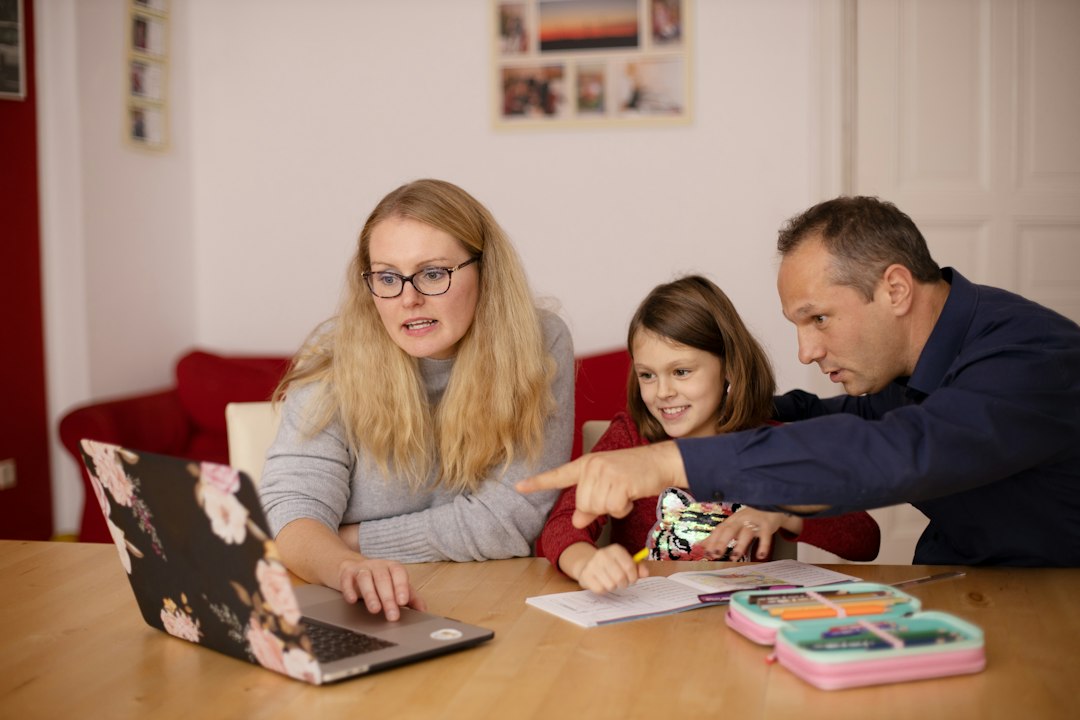
Before stepping in, step back. Dr. Shiels says letting kids solve their own problems helps them take control of their own outcomes. “When we struggle a little, we are able to problem-solve a lot better,” she explains. “We also know what skills we already have and where we need help.”
2. Name it to tame it
Help children identify and acknowledge their feelings rather than brush them aside. Dr. Shiels says something as simple as naming disappointment out loud is more helpful than trying to make the feeling disappear. If a young child has a meltdown, she advises staying calm. “They will move through it,” she says.
3. Offer choices
Simple choices give kids a sense of control. Letting them decide, even small things, builds self-assurance over time, according to Dr. Shiels.
4. Praise with more specificity
Praise matters, but how you praise matters more. Dr. Shiels says to focus on effort and persistence rather than results. Skip the general “Good job” and try something more precise, like “Well done doing first time listening!” That kind of specific feedback sticks.
5. Encourage regulation
When things go wrong, and they will, kids need to learn that mistakes and frustrations are manageable, not catastrophic. Dr. Shiels says modeling calm regulation yourself helps children understand that a setback does not have to ruin the day.
6. Do not solve their problems for them
“Stop answering questions they know the answer to,” Dr. Shiels says. If a grandchild cannot find their shoes, try asking them to retrace their steps rather than finding the shoes yourself. That small moment of figuring it out on their own counts for a lot.
7. Show that mistakes are how we learn
Dr. Shiels encourages kids to express mistakes out loud. She does this herself. “If I forget something, I tell my kids what my plan is to avoid that happening again,” she explains. When children see the adults they love handle mistakes with honesty and a plan, it teaches them to do the same.
What to Watch Out For
Dr. Shiels’s reminder is gentle: notice what your grandchild is putting effort into, not just what is still unfinished.
Instead of seeing a messy room and focusing on the parts still untidy, she suggests something like: “I really like how you organized all your stuffies; although this area still needs work, you are working so hard.”
The goal, she says, is to help children feel seen. “Self-esteem and confidence grow when a child doesn’t feel fear for making mistakes.”
That is something grandparents understand better than almost anyone. We have lived long enough to know that the stumbles are part of the story. Helping the grandkids see that too, now that is a gift worth giving.