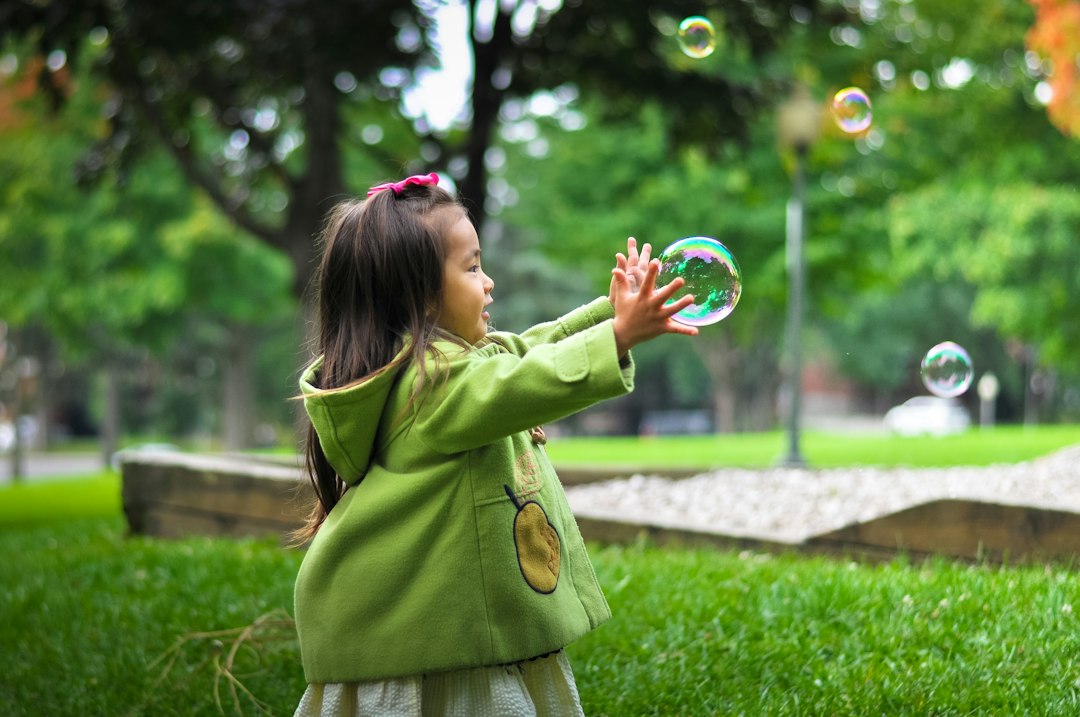
When a grandchild runs over to show you something they worked hard on, the words just come naturally. I’m so proud of you. It is warm. It is loving. It is exactly what grandparents have been saying for generations.
But child psychologists are now suggesting we try something different. Not because the love is wrong (it never is), but because those four words, used too often, can quietly shift a child’s focus in a direction we do not intend.
Why “I’m Proud of You” Can Work Against Kids
When a child hears “I’m proud of you” as their main reward, they start to measure their success by whether the adults around them are pleased. Over time, psychologists say, this can lead to people-pleasing habits or real anxiety around failure.
If a grandchild believes their job is to make you proud, a poor grade or a lost game does not just sting; it feels like letting you down. Instead of seeing mistakes as a normal part of learning, they may start avoiding challenges where they are not sure they will succeed.
Dr. Sarah Tannenbaum, PsyD, ABPP, a child and adolescent psychologist, told Parade that praise becomes much more effective when it is anchored to something the child actually did, so they understand exactly what you are recognizing.
What to Say Instead
The good news is that the switch is easy. You are not taking love out of the equation. You are just pointing it in a slightly different direction toward the child’s own effort and feelings, rather than your reaction to them.
Here are four phrases psychologists recommend:
- “You should feel proud of the work you put into that.” Dr. Ioana Pal, PsyD, a licensed clinical psychologist at Stramski Children’s Development Center at Miller Children’s & Women’s Hospital, explains that this shifts the emotional reward inward. The child learns to connect pride to their own effort, not to outside applause.
- “I saw you working hard on that.” Dr. Holly Schiff, PsyD, a licensed clinical psychologist, calls this phrase powerful because it focuses on the child’s process rather than just the outcome.
- “You stuck with it even when it was hard.” Dr. Tannenbaum says this reinforces perseverance and communicates that progress matters, not just perfection. Sticking with something difficult is worth noticing.
- “I can tell you’re proud of yourself, and I’m proud of you too.” Dr. Nicole Lipkin, PsyD, MBA, a psychologist and founder of HeyKiddo, says this balanced phrase reinforces the child’s own sense of accomplishment first, then layers in your support. It builds internal motivation instead of making your approval the only prize.
Small Words, Big Difference
None of this means holding back your love or your enthusiasm. It just means letting the grandkids own their wins a little more fully.
When they learn to feel good about what they did, not just about making you happy, that confidence travels with them. Long after the soccer game, long after the recital, long after you have headed home.
And honestly? Telling a child “you stuck with it even when it was hard” might just mean more to them than anything else you could say.