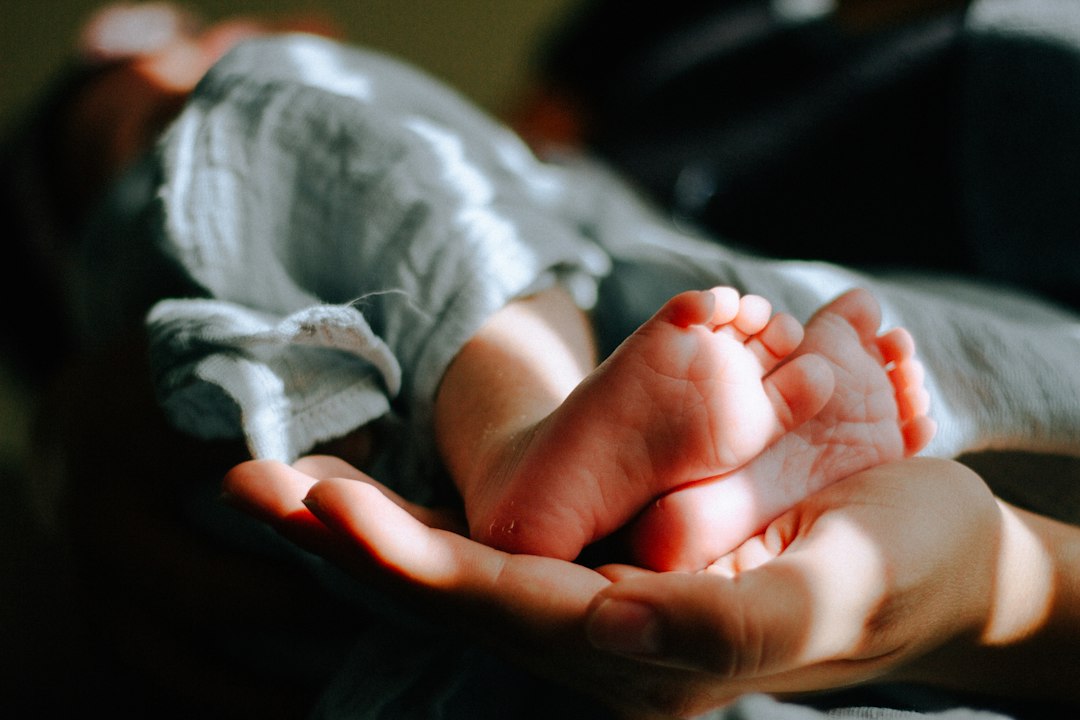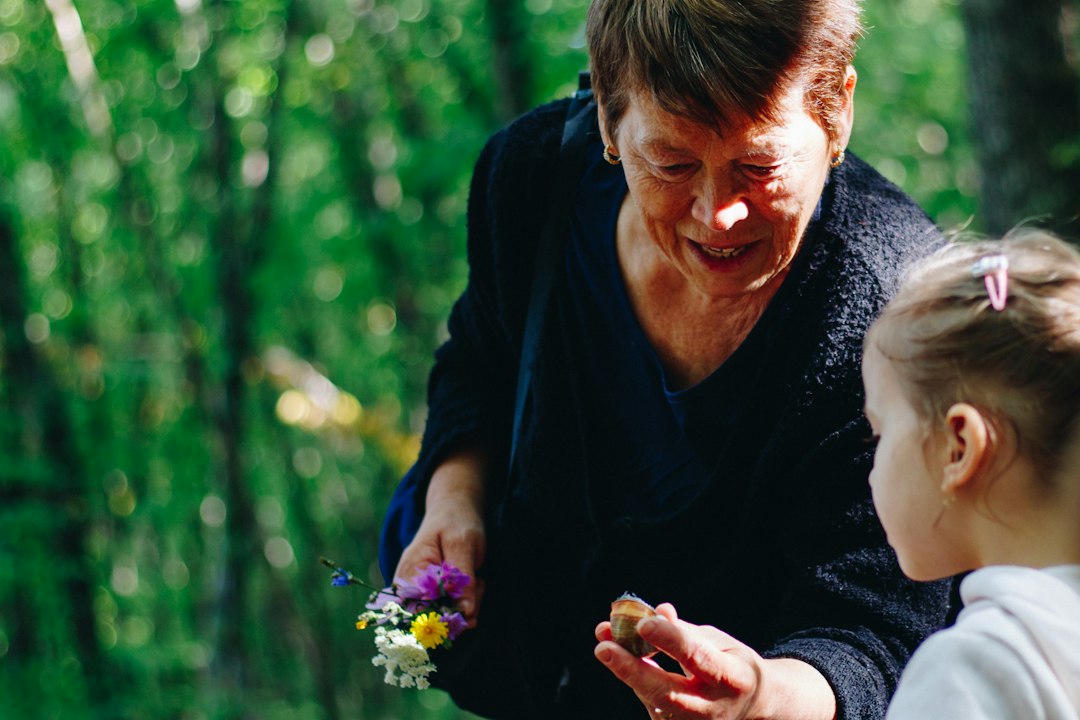
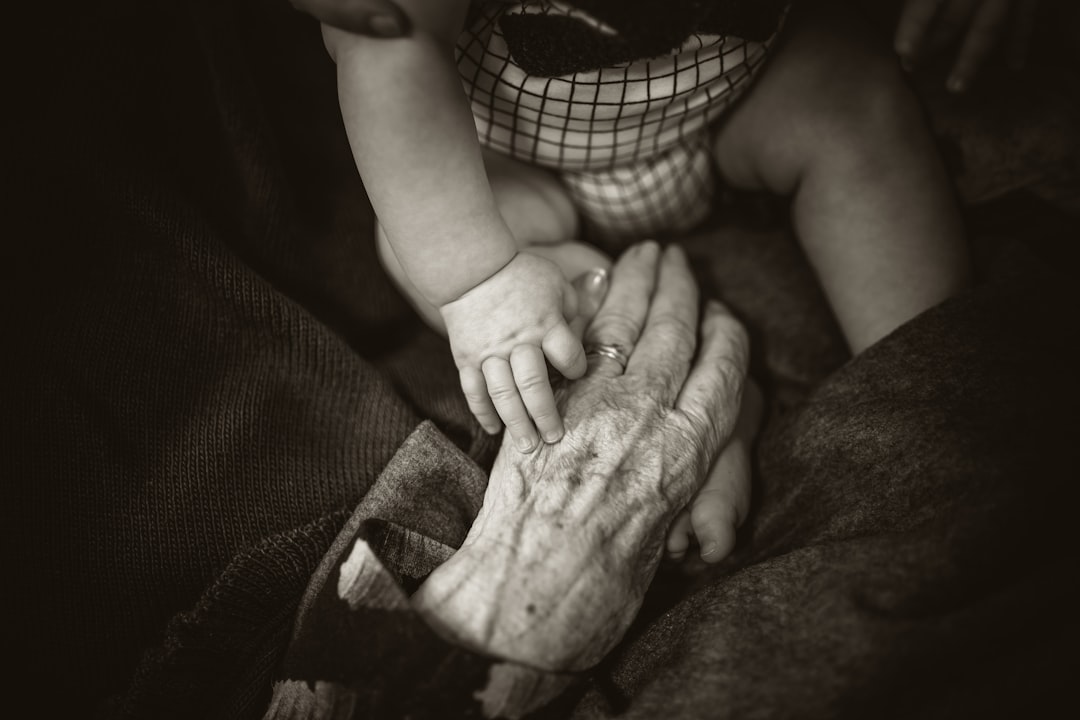
You found out you were going to be a grandparent. Your heart leapt. You may have started shopping before the nursery was even painted.
And then, somewhere between the excitement and the first visit, the worries crept in.
Will I say the wrong thing? Will I be involved enough? What if I can’t be there as much as I hoped?
If that sounds familiar, you are in very good company. Nearly every new grandparent carries some version of these fears. The good news is that most of them are more manageable than they feel and the fact that you are asking the questions at all is already a point in your favor.
“What if I say something wrong to the parents?”
This one comes up more than almost any other worry. Parenting advice has changed a great deal since most of us were raising children, and it can be hard to know when to speak up and when to hold back.
Here is something reassuring: most new parents are not looking for a reason to be offended. They are tired and overwhelmed and genuinely glad you are there. What they need most is encouragement. “You are doing great” lands far better than “When you were a baby, I always…” Shifting from advisor to cheerleader, especially in the early months, builds trust faster than almost anything else.
“What if I’m not as involved as I hoped?”
Many of us picture regular visits, spontaneous babysitting, and being woven into the daily rhythm of a grandchild’s life. The early reality is often more complicated. Parents can be protective in those first months, and schedules do not always cooperate.
What helps to know is that involvement usually grows over time. The same parents who are cautious with a newborn are often the ones handing over a toddler for a whole weekend a year later. Following their lead now is what creates the relationship you are hoping for down the road.
“Can I really bond with a grandchild from far away?”
For grandparents who do not live nearby, this fear can feel the most out of your control. The worry that geography will keep you on the edges of your grandchild’s life, present in photographs but not in the relationship itself, is one of the most common concerns new grandparents carry.
What long-distance grandparents often discover is that consistency matters more than proximity. A grandchild who hears your voice regularly on a video call, who recognizes your face and knows your laugh, who lights up when a small package arrives in the mail, that grandchild knows you. The bond does not require daily presence. It requires intention and showing up in whatever ways are actually available to you.
“What if the other grandparents are closer to my grandchild?”
This worry rarely gets said out loud because it can feel uncomfortably close to jealousy. But it is real, and it is common. When the other grandparents live nearby or share more of the family’s daily life, it is natural to wonder where that leaves you.

The honest answer is that grandchildren have an unlimited capacity for love. A close relationship between your grandchild and their other grandparents does not take anything away from what is available to you. What matters most is showing up consistently and being genuinely present when you are there. A grandchild who sees different grandparents at different times can feel deeply known and loved by all of them.
“Do I still remember how to care for a newborn?”
Even grandparents who raised several children confidently can find themselves fumbling with a swaddle or putting a diaper on backwards. Those are harmless moments. But there are areas where the information has genuinely changed, and it is worth knowing what is different.
Safe sleep guidelines are a good example. The recommendation to place babies on their backs to sleep, on a firm flat surface with no loose bedding, was not widely adopted until the mid-1990s and has been updated further since then. If you learned to put babies to sleep on their stomachs, or with bumpers and blankets in the crib, you are working from outdated information through no fault of your own. The same applies to car seat installation and feeding guidance.
Simply asking parents how they want things done is both practical and relationship-building. It shows you are paying attention.
“What if I’m not the grandparent I wanted to be?”
We all come into this role with a picture in our minds. Patient. Energetic. Present. Full of stories and traditions to pass down. And then we wonder if we can actually live up to it.
Here is what is worth knowing: the grandparents who ask these questions tend to be the ones who do the work of becoming who they want to be. The bond with a grandchild deepens with time and intention. It does not arrive fully formed the moment you first hold that baby, even if you feel an immediate rush of love, your grandchild’s love for you grows steadily over time.
Showing up with thought and purpose, rather than just going on instinct, is a skill that can be learned. And it is never too early to start.
“What if I make a mistake and lose access to my grandchild?”
This is the fear underneath many of the others. A misunderstood comment, a boundary crossed, a moment of poor judgment and what if that costs you the relationship?
It is not an irrational worry. But relationships are more resilient than we tend to give them credit for. A single clumsy comment rarely does lasting damage when the overall pattern is one of respect and good faith. The grandparents who face the most difficulty are typically those who consistently dismiss parents’ preferences, not those who occasionally say something awkward, then listen and adjust.
The fact that you are reading this, thinking about it, and caring this much is already a meaningful sign. It means you understand what is at stake. And understanding what is at stake is more than half the battle.