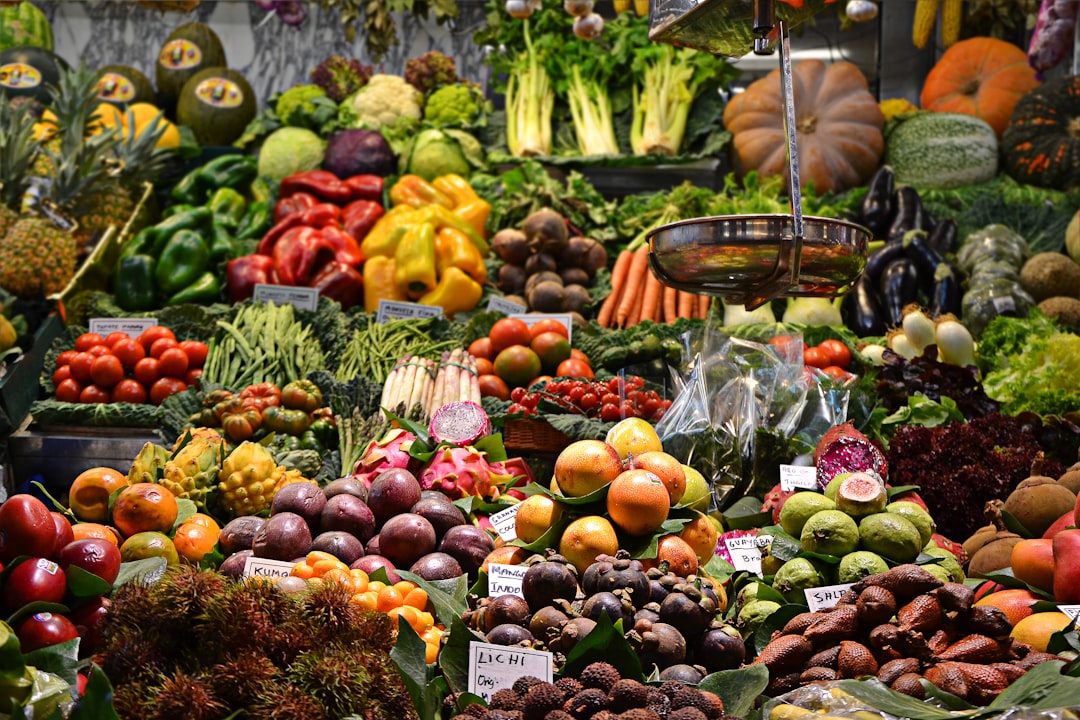
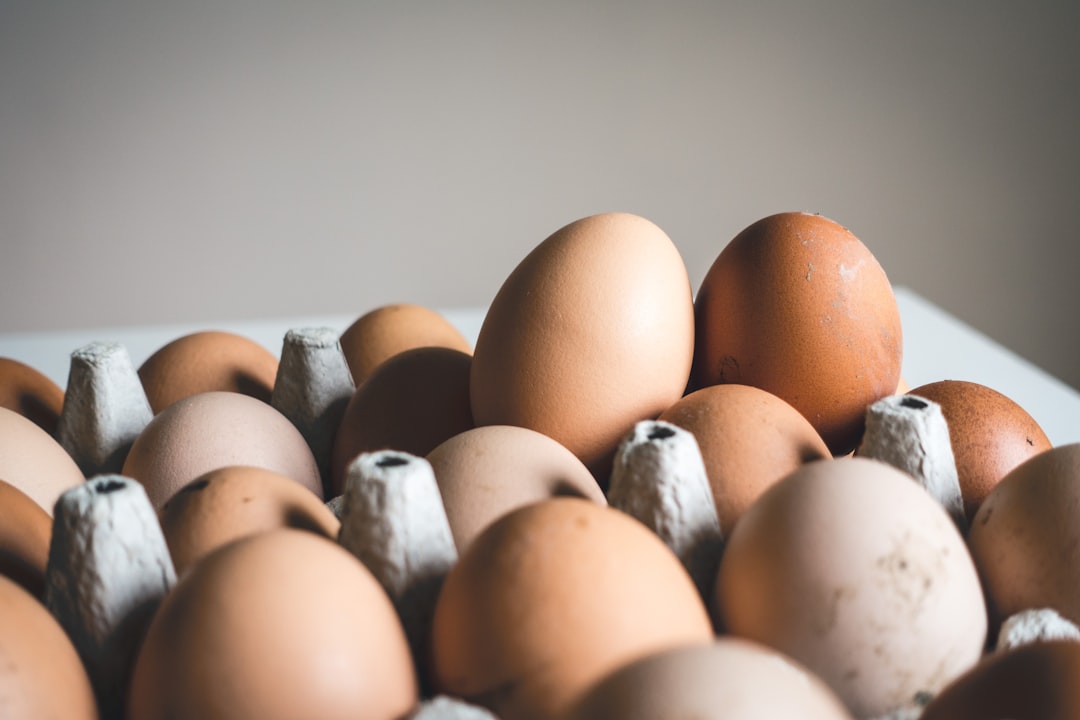
You have grabbed a carton of eggs from the grocery store more times than you can count. Twelve eggs, every time. But has it ever crossed your mind why it’s always twelve? Why not eight? Why not ten?
It turns out the answer reaches back centuries and it may have everything to do with old British coins rattling around in a merchant’s pocket.
A Currency Connection
The leading theory among historians is that eggs started being sold by the dozen because of the shilling. For much of its history, one shilling was worth exactly twelve pennies. The shilling was first minted in 1504, during the reign of Henry VII, and stayed in circulation all the way until 1971.
That twelve-penny value made the math wonderfully simple. A farmer selling eggs could charge one shilling for a dozen. No change needed. No fussing with fractions. One coin, twelve eggs, done.
There is also something practical about the number 12 itself. It divides neatly into halves, thirds, and quarters. That made it easy for families and merchants alike to split up an egg purchase without any complicated arithmetic.
This habit crossed the Atlantic with the early colonists. It took root in America and never really budged.
Eggs Were Not Always a Grocery Store Staple
It is worth knowing that eggs were not always the mass-produced item we know today. Scientists estimate that chickens were first domesticated somewhere between 8,000 and 3,500 years ago in Southeast Asia. For most of human history, getting eggs meant finding them yourself.
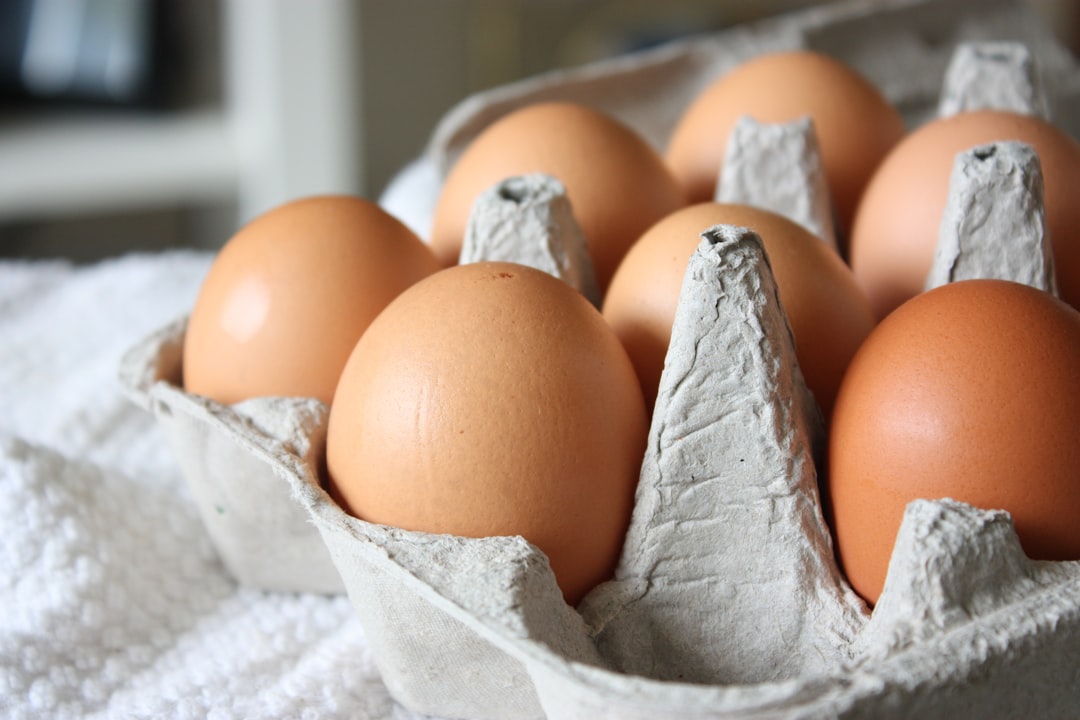
It was not until the mid-1900s that improvements in sanitation, enclosures, and feeding technology allowed farmers to produce eggs year-round at a large scale. Before that, buying eggs by the dozen in a market was considered quite forward-thinking in some parts of the world.
Not everywhere followed the same path. In parts of Africa and India, eggs are still often sold individually. Some countries sell them in packages of eight or ten. The dozen is not a universal rule, just a very stubborn American one.
What Eggs Cost Then and Now
The number of eggs in a carton has stayed steady. The price has not. Back in 2021, a dozen eggs could cost as little as $2. By early 2025, the Federal Reserve reported the average price hit $6.22 per dozen in the Midwest, a record high. Prices have come down some since then, but are likely to keep bouncing around for a while.
Still, through all the price swings and supply chain headaches, the dozen has held firm. Some things just work too well to change. And the next time you crack open that carton, you can thank a 500-year-old British coin for the count.