Some foods taste like history. Mexican cuisine is full of them. Three dishes you may already know and love: Pan de Muerto, Mole Poblano and Pozole Rojo, each carry stories that go back centuries, tied to gods, ceremonies, and sacred rituals long before they found their way to a holiday dinner table.
The next time you sit down to enjoy one of them, here is what you might be tasting.
Pan de Muerto: Bread for the Dead and the Living
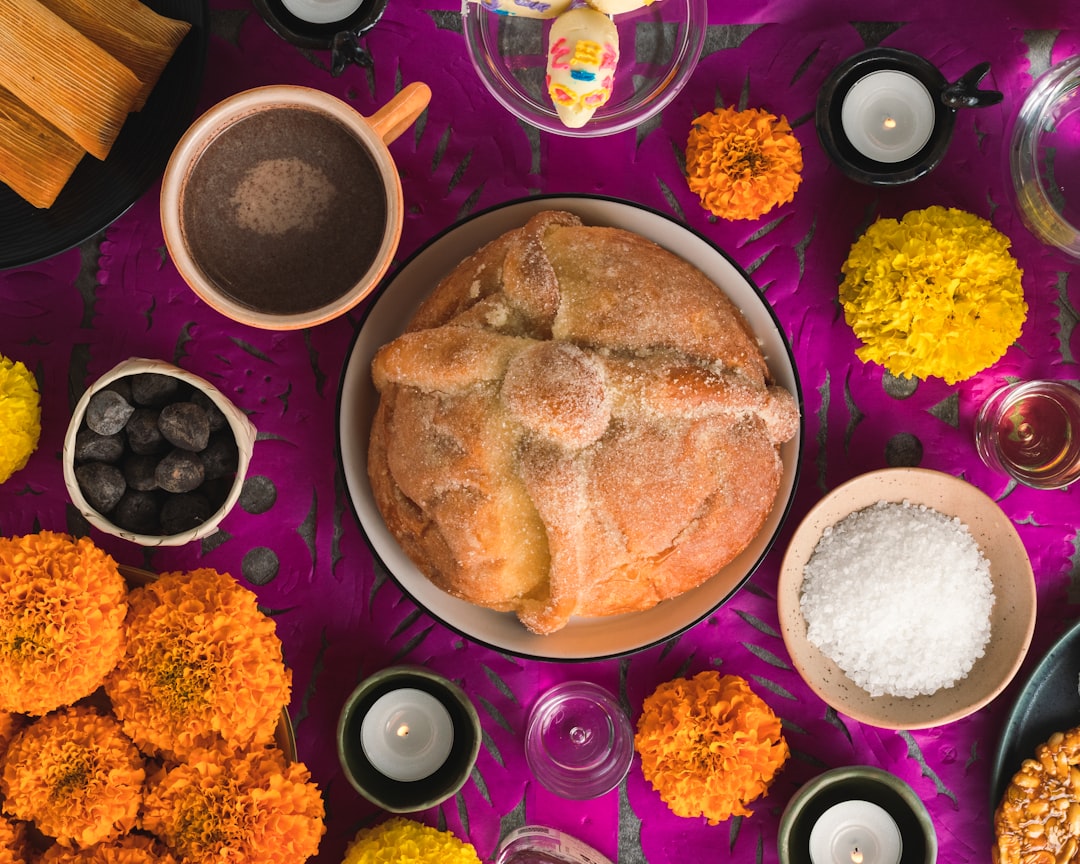
Every late October, bakeries across Mexico fill with the sweet scent of anise and orange blossom. That is pan de muerto, the bread of the dead, baked for Día de los Muertos on November 1 and 2.
Families place it on their ofrendas, the home altars set up to welcome the spirits of loved ones back for a brief visit. Alongside candles, bright orange marigolds, and photographs, this bread is meant to nourish the returning souls.
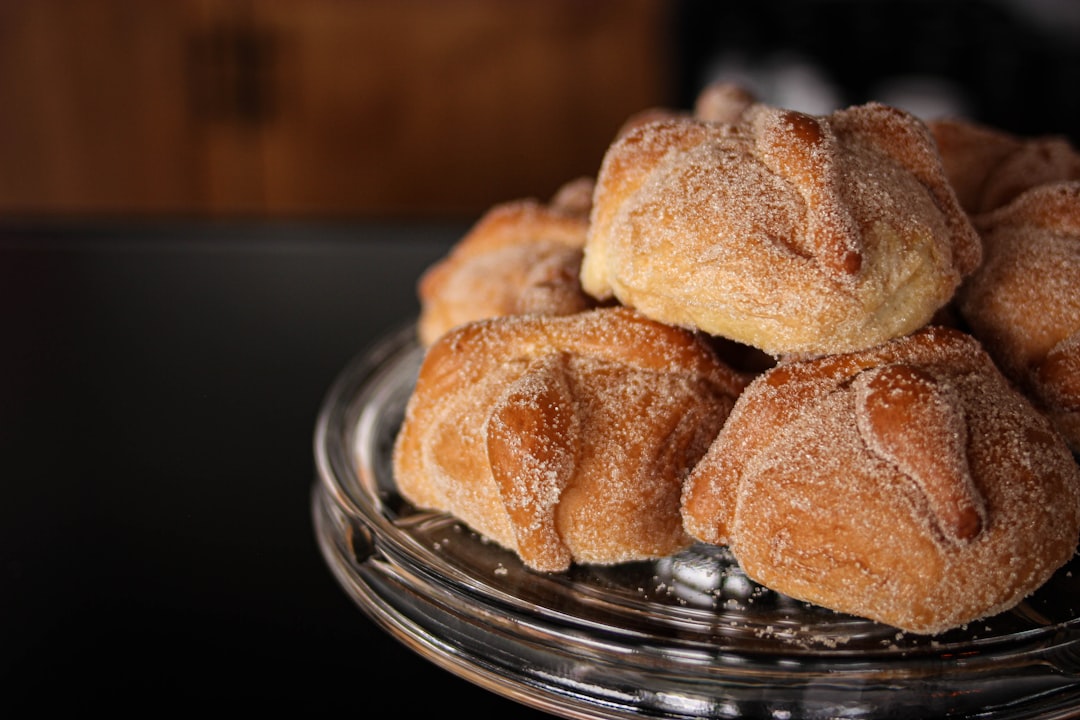
The shape of the bread is not just decorative. The small sphere on top represents the skull of the deceased. The raised strips of dough running down the sides represent bones and also the four cardinal directions of the universe, a nod to the ancient Aztec gods who governed them. Even the round loaf itself carries meaning, symbolizing the cycle of life and death.
And it is not only for spirits. The living eat pan de muerto too, at gravesites, and in many regions, for weeks leading up to the holiday. Making it is considered part of the ritual itself, a living tradition that connects the generations who bake it to the ones who came before.
Mole Poblano: A Sauce That Takes Days on Purpose
You may know mole poblano as the rich, dark, chocolatey sauce served over turkey or chicken at celebrations. But its story begins long before any festive table.
In indigenous Mesoamerican culture, complex sauces called molli were ground on a stone metate and offered to the gods. After the Spanish conquest, that sacred grinding tradition merged with European ingredients such as chiles, seeds, nuts, spices, and Mexican chocolate to become what we know today as mole poblano.
One popular legend credits 17th-century nuns at the Santa Rosa convent in Puebla with creating the sauce when scrambling to feed a visiting archbishop. Whether or not that is true, the real ritual is in the making itself.
Every ingredient is toasted, ground, and simmered separately. The whole process takes hours, sometimes days. That is not a flaw. That is the point. Preparing mole brings multiple generations into the kitchen together, turning cooking into a shared ceremony. Weddings, baptisms, and patron saint festivals are all occasions where making mole is as meaningful as the meal itself.
Pozole Rojo: A Holiday Tradition With Very Old Roots
Walk into a home in Mexico or the American Southwest on New Year’s Eve, Christmas Eve, or Mexican Independence Day, and there is a good chance a big pot of pozole rojo is simmering on the stove. This hearty hominy corn stew has been a symbol of celebration and community for a very long time.
But its original meaning was far more serious. The Aztecs believed corn was a sacred gift from the gods. To honor Xipe Tótec, the god of agriculture, fertility, and regeneration, priests prepared a ritual soup called tlacatlaolli. The sacred corn was the foundation of the dish, and consuming it was believed to ensure the earth would remain fertile for another season.
After the Spanish conquest, the Catholic Church stepped in, and the recipe changed. The human ingredient was replaced with pork, which the conquistadors reportedly noted tasted remarkably similar. The corn stayed. The ritual spirit stayed too.
Today, whether it is ladled out at a New Year’s gathering in Albuquerque or Mexico City, pozole still does what it was always meant to do: bring a whole room to life and keep something ancient quietly alive in every bowl.
Three dishes. Centuries of meaning. And all of it still on the table.