
Nobody loves thinking about what happens after they are gone. But here is the honest truth: skipping this conversation does not protect you. It just leaves your family buried in red tape and legal fees at the worst possible time.
The good news is that getting your affairs in order is more manageable than it sounds. These nine documents form the core of a solid estate plan. Check them off one by one, and you will have given your loved ones a real gift.
The 9 Documents You Need
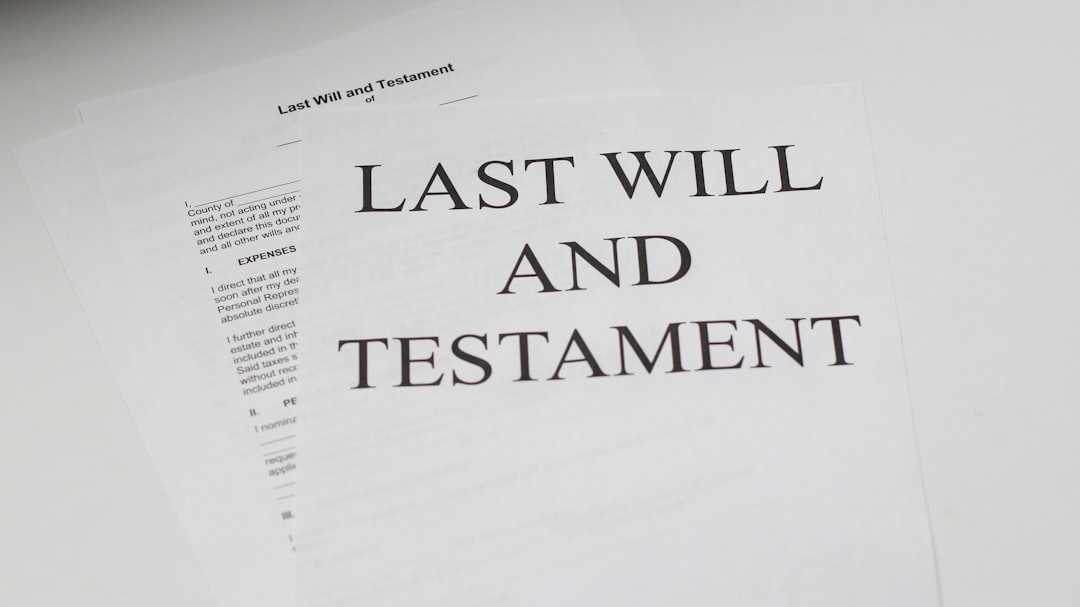
1. An updated will. Every major life event, such as a birth, death, marriage, or divorce, is a reason to revisit your will. Without one, state intestacy laws decide who gets what. That is rarely what anyone wanted.
2. A durable power of attorney (financial). This names someone to manage your finances if you become incapacitated. The person you choose will have significant power over your assets, so pick someone reliable, trustworthy, and committed to honoring your wishes.
3. A healthcare power of attorney or advance directive. This document names someone to make medical decisions on your behalf if you cannot speak for yourself. An advance directive can spell out your wishes, but a healthcare power of attorney can also cover situations you did not anticipate.
4. Updated beneficiary designations. This one catches a lot of people off guard. The beneficiaries listed on your retirement accounts and life insurance policies override whatever your will says. If those forms are out of date, the money goes to whoever is named, full stop.
5. A revocable living trust and possibly a Medicaid asset protection trust. A trust can shield your heirs from significant inheritance expenses. When the trust owns your assets, beneficiaries may be able to avoid taxes on inherited property, bank accounts, and more.
6. A list of digital assets and passwords. This is one of the most overlooked items on any estate planning checklist. If you use a password manager, you may be able to designate an heir or legacy contact to receive access after you pass. Otherwise, keep an updated copy with your will so your family is not locked out of your accounts.
7. An asset inventory. A clear, current list of your accounts, property, and debts means your heirs will not have to go hunting for everything. It makes the entire settlement process go much faster for the people you love.
8. A letter of intent or personal instructions. This is where you can spell out wishes that do not fit neatly into a legal document. Do you want to be cremated? Is there a specific person who should get your mother’s recipe cards or your father’s wedding ring? Write it down. It removes guesswork and keeps the peace.
9. Regular reviews with an advisor or attorney. Even if you do not stay on top of every update yourself, a scheduled appointment with an estate planning attorney keeps things current. Think of it as a routine checkup, not for you, but for your paperwork.
This Is a Gift to the People You Love
Estate planning is not a one-and-done task. These documents are meant to grow and change with your life. The real purpose is not just protecting your assets; it is protecting your family from unnecessary hardship during an already difficult time.
The goal is to give your family a smooth path when the time comes. A little organization now means a lot less burden later.