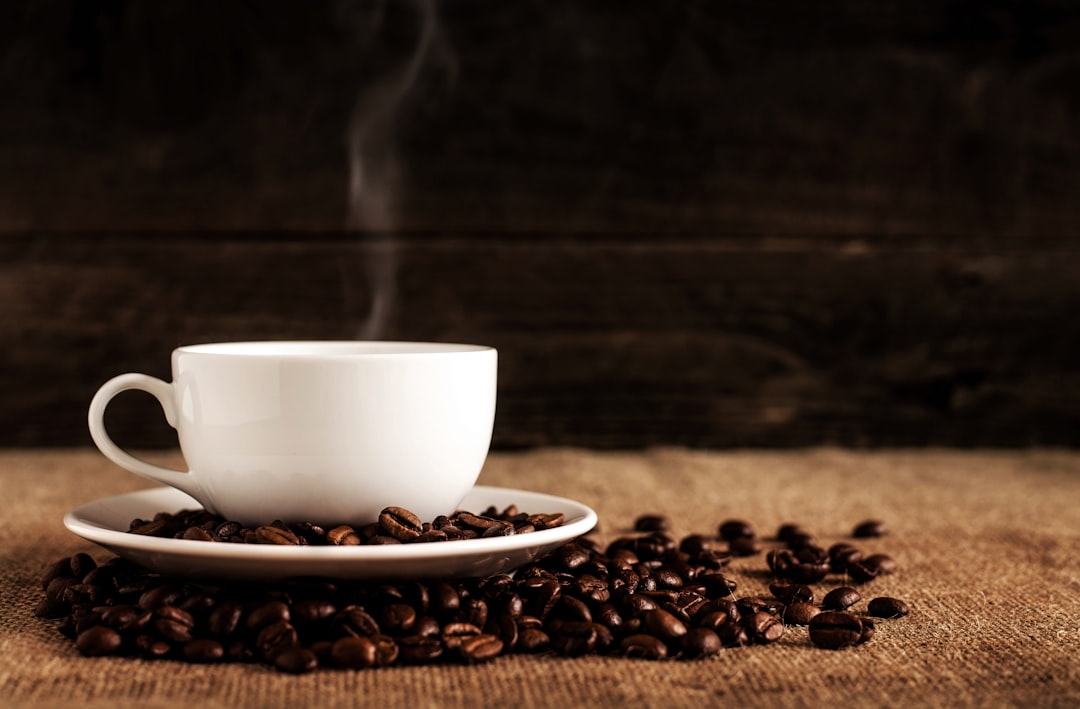
If your morning starts with a cup of coffee, here is some genuinely good news. A growing body of research suggests that a daily coffee habit may be doing a lot more for your health than you realized.
Researchers led by Dr. Luca Verroest studied data from 2,264 participants in the Northern Finland Birth Cohort 1966 study. After accounting for factors like BMI, education, smoking, physical activity, and alcohol intake, they found some striking differences between people who drank more coffee and those who drank less.
What Coffee Does to Your Hormones
The effects on hormones were different for men and women, but both showed meaningful changes.
For women, higher coffee consumption was linked to higher levels of sex hormone-binding globulin (SHBG) and lower free testosterone and free androgen index.
For men, higher coffee intake was associated with higher total testosterone, higher bioavailable testosterone, and higher SHBG, though also lower free testosterone and lower free androgen index.
Blood Sugar and Body Composition
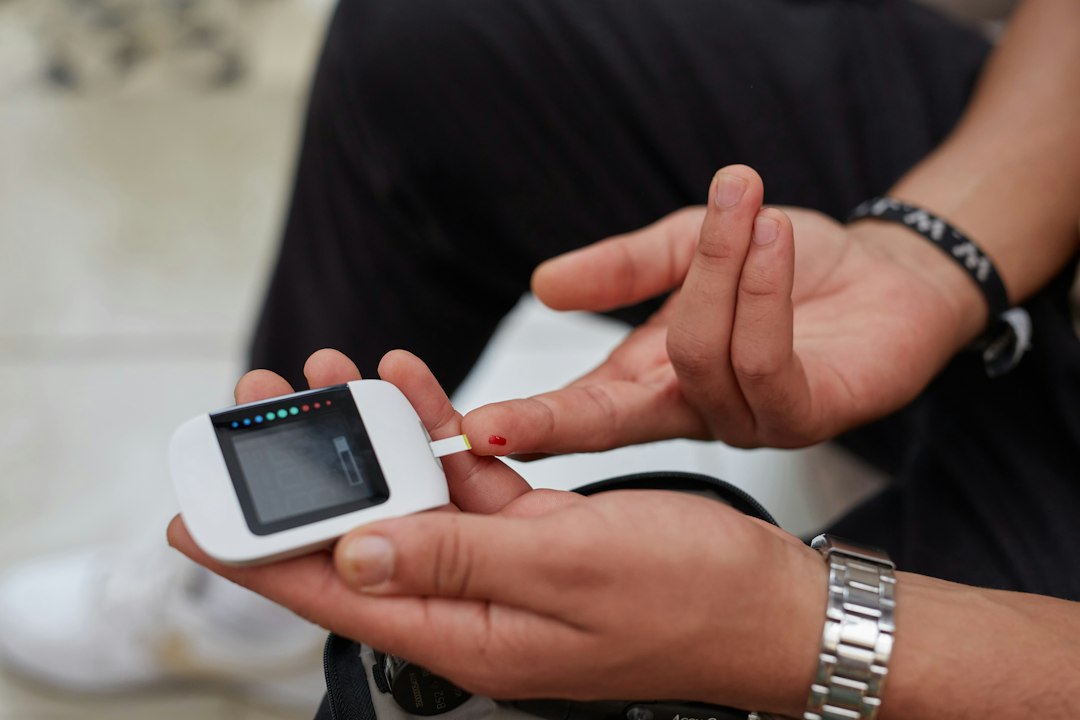
Both men and women who drank more coffee had lower levels of circulating branched-chain amino acids, or BCAAs. That matters because chronically elevated BCAAs have been linked to insulin resistance and a higher risk of type 2 diabetes.
People who drank more coffee also showed a more favorable glucose-insulin profile overall. In plain terms, their bodies appeared to handle blood sugar more efficiently.
And when it came to body composition, the higher-coffee group tended to have less total body fat and less visceral fat, the kind that collects around the abdomen, along with more skeletal muscle. This was true even when their BMI was similar to those who drank less coffee.
The Bigger Picture
This is not the first time coffee has shown up as a health ally. Previous research has associated regular coffee drinking with a 43 percent reduced risk of liver cancer, a 65 percent reduced risk of Alzheimer’s disease, and a 67 percent reduced risk of type 2 diabetes.
Coffee is also considered the world’s biggest dietary source of antioxidants.
Not a coffee drinker? The researchers note that green coffee bean extract may offer similar benefits for those who prefer to skip the brew.
So go ahead and enjoy that cup. Your body just might thank you for it.