
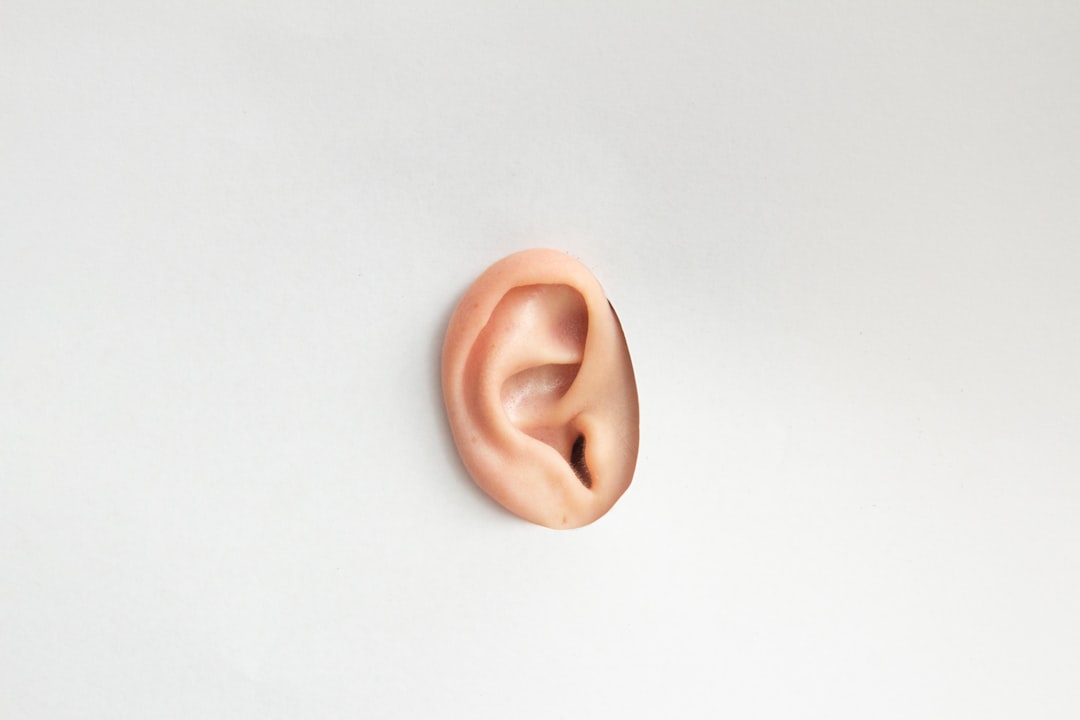
You are sitting in a quiet room and there it is. A ringing, a buzz, a hiss. No phone, no TV, no noise outside. Just that sound, coming from somewhere inside your own head.
If that sounds familiar, you are in very good company. About one in seven people worldwide experiences tinnitus: the medical name for hearing sounds like ringing, buzzing, hissing, or clicking when no outside source is producing them.
Where the sound actually comes from
Here is the part that surprises most people. In most cases, tinnitus does not start in your ear at all. It is generated by activity within your central nervous system.
To understand why, it helps to know how hearing normally works. Sound waves vibrate structures in your ear and move fluid inside the cochlea. That movement triggers chemical reactions, which become electrical signals. Those signals travel up your hearing pathways to your brain, where they get interpreted as sound.
When things are working well, it is a beautifully simple system. But things can go wrong.
What knocks the system off balance
Loud noise, disease, certain toxins, and age-related wear can all damage cells in the cochlea. When those cells are damaged, your auditory system becomes less sensitive. Some sounds come through weaker. Some stop registering at all.
Your brain notices this drop in incoming information. To compensate, it turns up activity along the hearing pathway, much like cranking up a radio when the signal is weak. The problem is that turning up the volume also raises the baseline level of activity that would normally represent silence. The result? You hear things that should be far too faint to detect, or you perceive sounds when no external sound exists at all.
What can actually help
There is no well-evidenced cure for tinnitus yet. What does exist are management strategies. Most treatment focuses on two things: understanding what is causing the sound, and reducing the brain’s negative response to it.
To manage it, understanding tinnitus first might help more than you can imagine. Knowing the mechanics behind it, that your brain is essentially trying to help and accidentally overshooting, can itself take some of the edge off.
You are not imagining it. Your hearing system is just working overtime.