Most of us think about our heart health. We think about our joints, our weight, our blood pressure. But how often do we think about our brains?
Here is something worth knowing. According to research cited by the University of Melbourne’s Pursuit publication, conditions affecting the brain and nervous system cause more death and illness globally than cardiovascular disease or cancer. Brain disorders like dementia affect billions of people worldwide.
The good news? Many of the habits that protect your brain are things you can start doing today. Here are 15 of them.
What You Eat and Drink
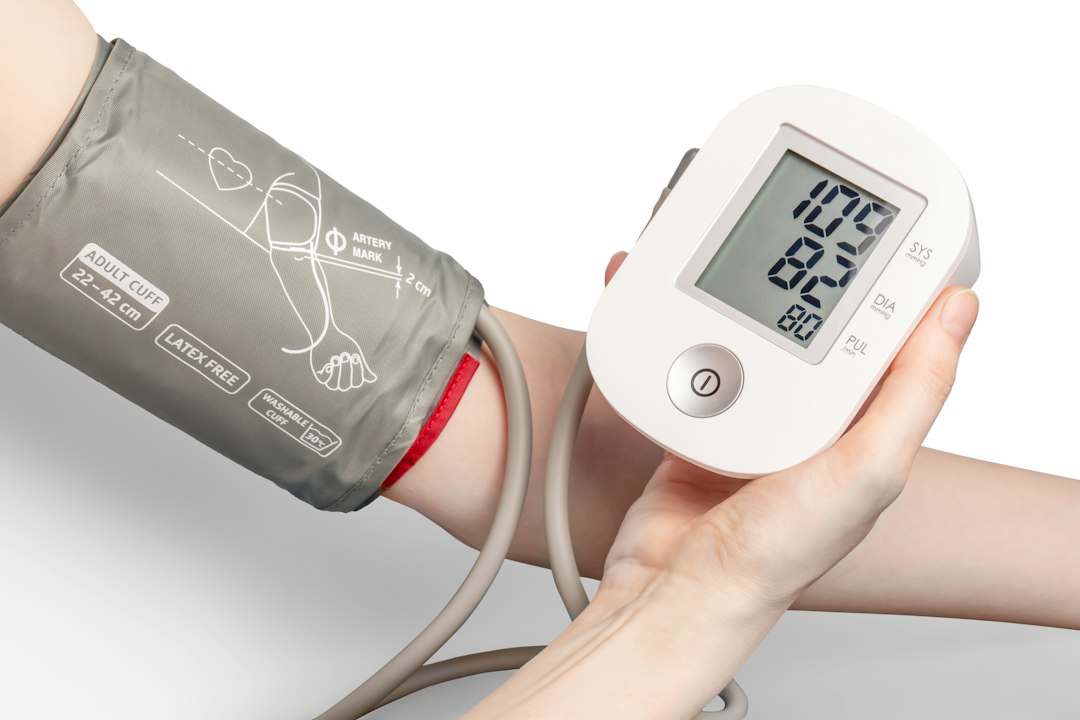
Keep your blood pressure in check. High blood pressure can increase your risk of stroke. It can also damage the small blood vessels in your brain, making dementia more likely. Work with your doctor if your numbers are running high.
Eat a healthy diet. Plenty of fruits and vegetables, and less junk food go a long way. Staying hydrated matters, too. Research also suggests that people who follow a Mediterranean diet are less likely to experience cognitive decline.
Limit alcohol. Drinking too much is a significant risk factor for dementia. It can cause brain shrinkage and raise your blood pressure. If you drink, keep it moderate and not every day.
Support your gut health. Your gut and brain are directly connected through what researchers call the gut-brain axis. Good gut health supports a healthy mood, which supports your mental health. Anti-inflammatory foods like berries, olive oil, and leafy greens help keep your gut microbiome in good shape.
Move Your Body
Exercise regularly. Physical activity benefits both your body and your brain. It can lower blood pressure, improve your mood, and reduce mental stress. Aim for at least 30 minutes, three times a week, every day if you can manage it.
If it is too hot, cold or windy for you to walk outside, look up a walking video on YouTube and walk in your living room. If swimming is your thing but the weather is not cooperating, check whether your local community center has an indoor pool.
Rest and Protect
Get 7 hours of sleep each night. The Sleep Foundation recommends that adults get at least 7 hours of uninterrupted sleep per night. A consistent bedtime routine can help signal your brain and body that it is time to wind down. If you are still struggling, talk to your doctor.
Protect your head. Your skull does a lot of work, but it is not always enough on its own. Wear a helmet when biking or doing anything high-risk. And always wear your seat belt, even on short trips.
Quit smoking. Research shows that smokers experience cognitive decline faster than non-smokers. Smoking also increases the risk of age-related brain volume loss.
Keep Your Mind Active
Challenge your brain daily. Crossword puzzles, brain teasers, writing, or even learning a few words in a new language, all of it gets those neurons firing. Socializing counts, too. Conversation is genuinely good for your brain.
Keep learning. You do not need to enroll anywhere formal. Online platforms like Udemy, Skillshare, Coursera, and even YouTube offer all kinds of courses. Picking up something new is one of the best workouts your brain can get.
Read more. Regular reading improves brain connectivity, reduces stress, expands vocabulary, lowers blood pressure and heart rate, fights depressive symptoms, and may help prevent cognitive decline as you age. A favorite magazine or a novel you have been meaning to get to, it all counts.
Take Care of the Whole Picture
Stay socially connected. Loneliness and isolation take a real toll on health. Strong social bonds can lower your risk of dementia and are linked to a longer life. A class, a senior center, a church group… any of these can help you build and keep good friendships.
Mind your emotional health. Untreated anxiety and depression can actually damage the brain, including shrinking the hippocampus, the part responsible for memory. Do not let stress sit. A little self-care, a call to a friend, or a conversation with a therapist can make a genuine difference.
Look after your heart. Heart health and brain health are closely tied. Healthy cholesterol, blood sugar, and blood pressure have all been associated with better brain health. Omega-3 supplements may support both the heart and the brain.
Consider supplements with your doctor’s guidance. Magnesium, L-theanine, ashwagandha, and spearmint extract are among the supplements noted for supporting brain health. Always check with your doctor before starting anything new, since what works for one person may not be right for another.
A Simple Daily Checklist
When you strip it all down, your brain needs four things every day:
- Movement — at least 30 minutes, three times a week or more
- Good food — plenty of fruits, vegetables, and a Mediterranean-style approach if possible
- Rest — no less than 7 hours of sleep each night
- Stimulation — 30 minutes of reading, a puzzle, or a game to keep things sharp
You do not have to overhaul your life all at once. Pick two or three of these that feel manageable, and build from there. It is never too late to start taking better care of the brain that has carried you through everything.