
Here is a number worth sitting with for a moment: 13 percent.
That is how much strength training can reduce the risk of premature death, according to a major new study out of the Harvard T.H. Chan School of Public Health. The findings were published in the British Journal of Sports Medicine in June 2026 and drew on nearly 30 years of data from close to 150,000 adults across three separate studies.
The sweet spot? Just 90 to 120 minutes of strength training per week.
The Numbers That Caught Our Attention
The study found that adults who did strength training, things like pushups, squats, lunges, and weightlifting, saw their risk of dying from heart disease drop by 19 percent compared to those who did none. Even more striking: their risk of dying from neurological diseases like Alzheimer’s fell by 27 percent.
Those are not small numbers. And they apply directly to our generation.
Why Muscle Matters More After 60
Ashley Katzenback, PT, DPT, of Cape Concierge Physical Therapy, puts it plainly. “Muscle is the organ of longevity,” she says. “It keeps us out of nursing homes by building bone density and preventing hip fractures.”
She says muscle does much more than hold us upright. It regulates blood sugar, protects brain health, prevents injury, supports heart health, boosts metabolism, and creates independence.
“Muscle is the master of metabolic health,” Katzenback continues. “It takes glucose from your bloodstream and stores it as energy to maintain healthy blood sugar levels and insulin sensitivity. Muscle generates energy, burns fat, and reduces inflammation.”
Dr. Andrew Gorecki, PT, DPT, FAFS, owner of Superior Physical Therapy and co-founder and CEO of MovementRx, adds a sobering fact. After 50, adults lose about one percent of their muscle every year without resistance work. “A 35-year-old who doesn’t strength train loses some performance,” he says. “A 70-year-old who doesn’t strength train loses the ability to live alone.”
You Do Not Need a Gym to Get Started
Before you picture rows of weight machines and younger folks grunting nearby, take a breath. Dr. Gorecki says 90 to 120 minutes a week breaks down into something much more manageable. That is three sessions of 30 to 40 minutes, or 15 to 20 minutes most days.
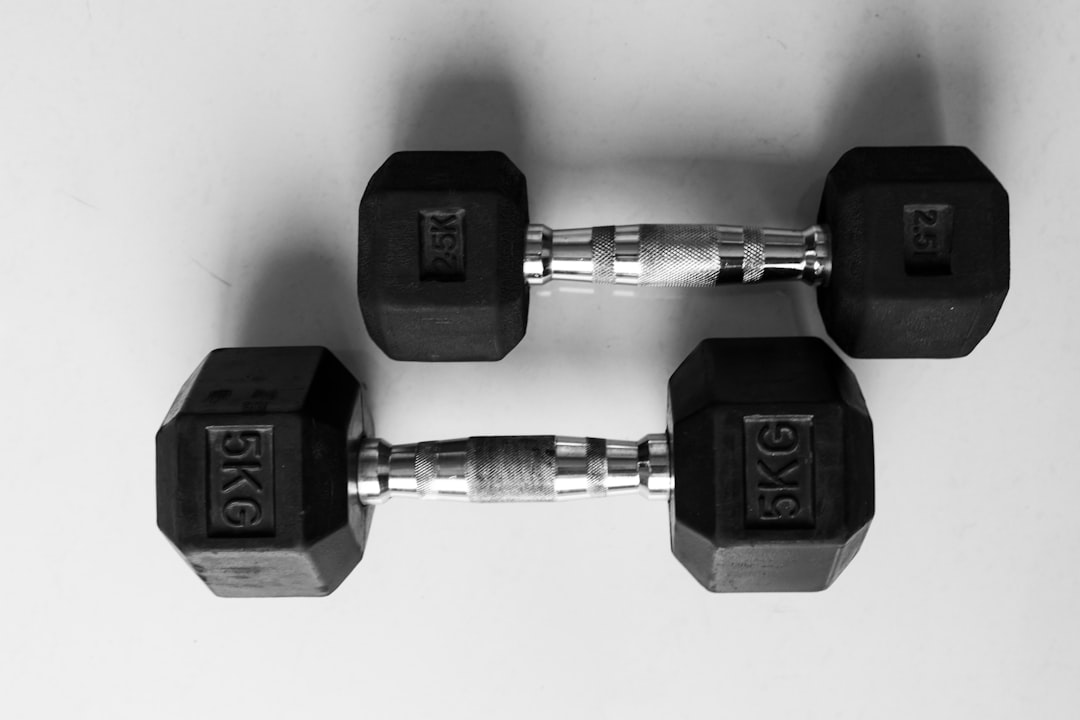
“You don’t need a gym membership. You don’t need expensive equipment,” he says. A pair of light dumbbells, he suggests starting with five to ten pounds, plus a resistance band and a sturdy chair will do the job. Total cost, he says: under fifty dollars.
Good Starting Points for Beginners
Samantha Cubbins, a Strength and Conditioning Coach, suggests starting with yoga, specifically a Sun Salutation. It is a series of poses that includes a standing forward bend, a half-plank position, and downward facing dog, among others.
“Beyond the mental benefits, this sequence and yoga in general help to increase strength, flexibility, and balance, which are all important foundations as you age,” she says. She also calls it beginner-friendly and notes that it combines mindfulness through breathing.
From there, Cubbins recommends adding core movements like the ones mentioned in the study. “These movements help strengthen the key muscles we use for everyday activities, while building bone density, which is important as we age and become more vulnerable to falls,” she explains.
And if none of that appeals to you? Cubbins says dancing, walking, and swimming can all provide extra health benefits, often without feeling like a workout at all.
The Brain Benefits Are Just as Real
Dr. Gorecki wants us to think beyond the physical. “Strength training doesn’t just protect the body. It protects the brain,” he says.
He explains that resistance exercise increases blood flow to the brain, drives the release of growth factors called brain-derived neurotrophic factors, BDNFs, that support neuron health, and reduces the inflammation that contributes to cognitive decline.
When you put it all together, the case is hard to argue with. A little resistance, a few times a week, adds up to something significant. The hardest part, it seems, is simply finding those 15 minutes a day to start.