You may have heard friends or family talking about raw milk lately. It has been showing up on social media and in health food conversations. But before you give it a try, there are a few things worth knowing especially if you are over 65.
Public health officials have had a busy few months. In February 2026, New Mexico health officials warned against consuming raw milk products after a newborn died from a Listeria infection. Authorities said the baby’s infection was likely linked to the mother drinking raw milk during pregnancy.
Then in March 2026, the Food and Drug Administration began investigating a multistate E. coli outbreak in California, Florida, and Texas. The source was traced to raw cheddar cheese from the Raw Farm brand. As of April 3, nine people had fallen ill. Three were hospitalized. More than half of those affected were children under five years old. One person developed hemolytic uremic syndrome, a condition that can cause life-threatening kidney failure.
So What Exactly Is Raw Milk?
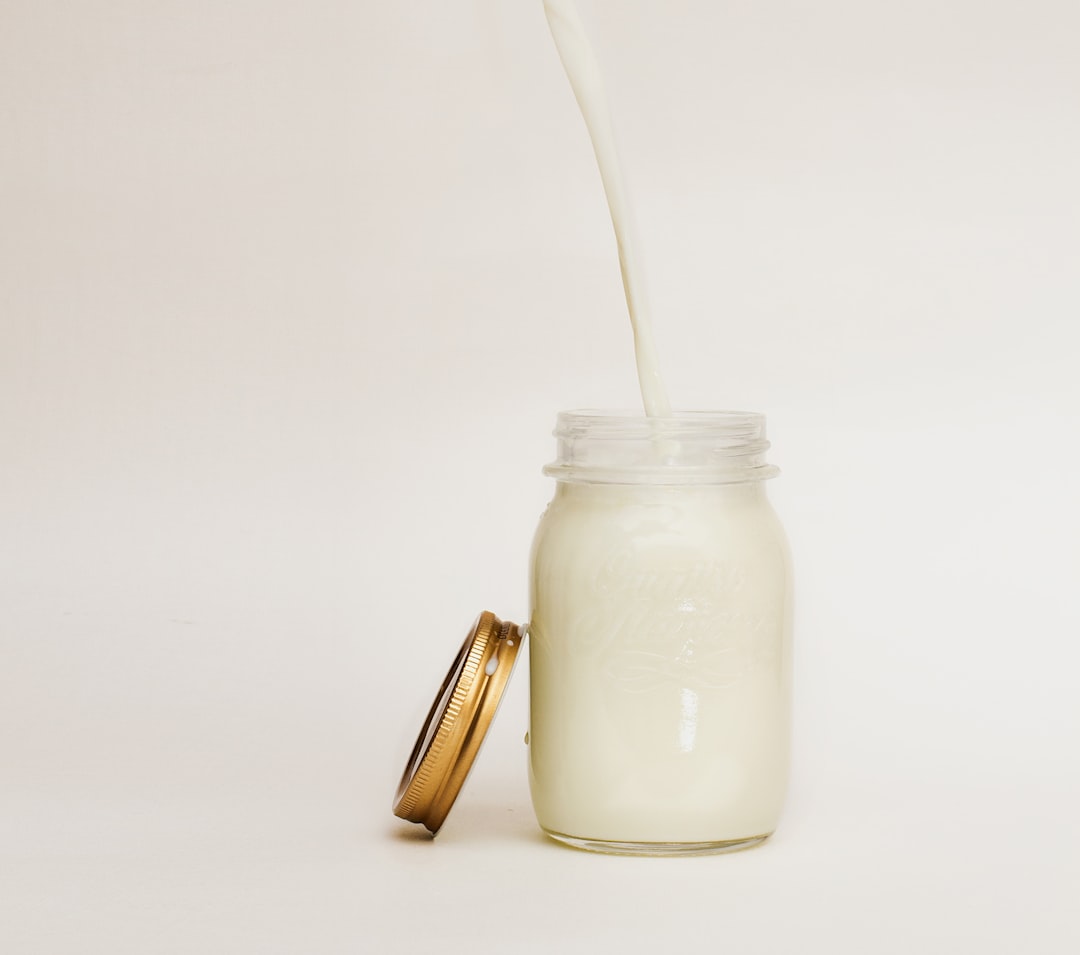
Raw milk is animal milk that has not been pasteurized. Pasteurization, developed by Louis Pasteur in the 1860s, heats milk to a high temperature to kill harmful bacteria, viruses, and other germs. Researchers have confirmed it also kills bird flu virus in milk.
Here is the important part: pasteurization does not significantly change the nutritional value of milk. You are not giving anything up by drinking the pasteurized kind.
Raw milk is not just sold as a drink. It is also used to make certain cheeses — like queso fresco — along with yogurt and butter. In some cases, people do not even realize a product was made with unpasteurized milk.
Who Is Most at Risk?
Raw milk can carry dangerous bacteria including Brucella, Campylobacter, E. coli, Listeria, and Salmonella. These can cause food poisoning and serious illness. Common symptoms include diarrhea, vomiting, and stomach cramps. In more severe cases, infections can lead to stroke, paralysis, kidney failure, or death, according to the CDC.
The people most at risk are:
- Adults over 65
- Children under 5 years old
- Pregnant people
- People with weakened immune systems
John Lucey, professor of food science and director of the Center for Dairy Research at the University of Wisconsin-Madison, told Public Good News that a very high percentage of people who get seriously ill and are hospitalized from raw dairy tend to be children. He also noted that Listeria can be especially dangerous during pregnancy, potentially leading to stillbirth or infant loss.
There is another concern that does not get as much attention. Dr. Supriya Rao, a gastroenterologist and assistant professor at Tufts University School of Medicine, explains that raw milk often contains high levels of antibiotic-resistant bacteria because many cows are given antibiotics. Those resistant strains can make it through into the milk and if you develop an infection, it becomes very difficult to treat.
Why Does Pasteurization Matter So Much?
Milk can pick up bacteria from soil, animal feed, manure, and infections in cows. Even the most careful farmer cannot fully eliminate that risk. As Lucey puts it, farms contain pathogens by their very nature. Farmers work hard to reduce contamination, but it is not foolproof.
Pasteurization, which has been studied for over 150 years, provides an important safety step that raw milk simply does not have.
Lucey points to the numbers. Before pasteurization became standard, milk was a major source of foodborne illness. Today, fewer than 1 percent of all foodborne illness outbreaks are linked to any dairy product, pasteurized or raw. That dramatic change, he says, came from pasteurization.
What About Raw Milk Cheese?
The FDA allows raw milk cheeses to be sold if they are aged for at least 60 days, a process meant to reduce bacterial levels. But that aging does not guarantee all harmful pathogens are eliminated. Soft, high-moisture cheeses like cottage cheese and mozzarella may carry higher risk.
Dr. Rao notes that raw cheese is somewhat less risky than raw milk itself, since the cheese goes through additional processing. But as the recent E. coli outbreak showed, raw cheese can still make people seriously ill.
Why Is Raw Milk Trending?
Raw milk has been promoted by social media influencers and high-profile public figures.
Some people believe raw milk is more natural than pasteurized milk or that it improves digestion and prevents allergies. These claims circulate widely online. Public health experts say they have been consistently debunked and are not supported by strong scientific evidence.
The FDA is clear: pasteurization does not significantly change the nutritional value of milk. Raw milk does not offer a meaningful nutritional advantage.
As Dr. Rao sums it up, the risk of dangerous illness far outweighs any alleged benefit.
If you have questions about raw milk or raw milk products, your health care provider is the best place to start.