
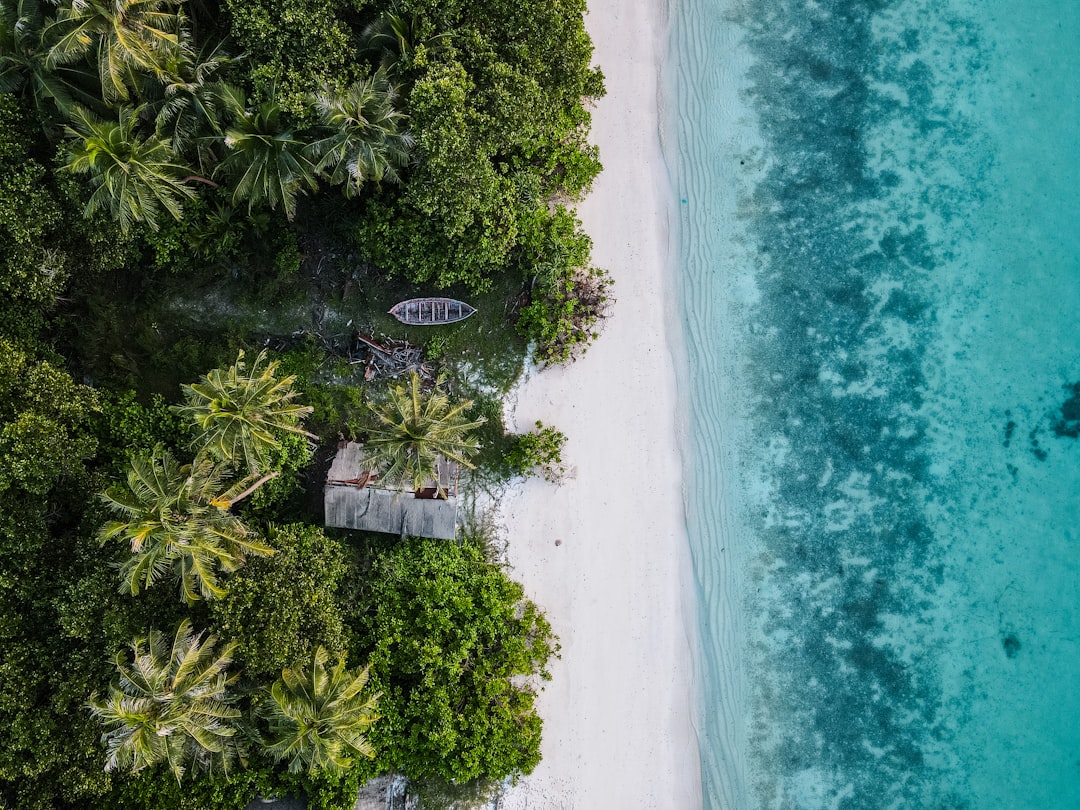
For a long time, the goal in travel was simple: do less damage. Leave no trace. Try not to make things worse.
That thinking has shifted. Today, a growing number of hotels, tour operators, and travelers are asking a bigger question: what if a trip could actually improve the places you visit?
Sustainability expert Juliet Kinsman put it well.
“Where sustainability is about us wanting to do less harm, regenerative goes further, promoting travel that actively restores nature and jump-starts local economies. Travelers are asking not just whether a hotel is sustainable, but whether it’s actively making their corner of the world better. That’s the bar.”
Here are eight trends shaping travel in 2026, and why they matter to anyone who loves exploring the world.
Land That Is Healing Before Your Eyes
The Scottish Highlands have become a showcase for what rewilding can look like. Alladale, a 23,000-acre wilderness reserve north of Inverness, has restored 550 acres of damaged peatland, planted one million native trees, and helped stabilize populations of salmon, water voles, and grouse.
This May, Kilchoan Estate opens on a 13,000-acre stretch of the remote Knoydart Peninsula. More than 555 acres have already been replanted with native trees. Meanwhile, Danish billionaire Anders Holch Povlsen created WildLand with a 200-year vision to rewild 220,000 Highland acres, restoring peatlands, replanting native Caledonian pine forests, and reintroducing endangered species like ptarmigans. Visitors can stay at around 20 cottages, estates, and lodges, including the soon-to-open Hope Lodge in Sutherland.
Similar rewilding projects are underway in Romania, Argentina, and Zimbabwe, all supported in part by tourism.
Trips That Give Local Communities a Leg Up
Hiring locals is no longer enough. The travel industry is now funding real job training so people in host communities can build careers on their own terms.
In South Africa, the Singita Lowveld Trust and AndBeyond’s Wild Impact launched the Hustle Economy, a program that identifies and mentors community members running small businesses like spaza shops, hair-care services, jewelry retail, and informal eateries.
Steppes Travel’s Fund For Female Guides contributed nearly $50,000 last year to female guide training in Sri Lanka, Botswana, Zambia, Zimbabwe, Peru, Colombia, and India. And at the newly opened NIHI Rote resort in West Timor, a hospitality academy sits at the heart of the guest experience, with students training on the job for future careers in hospitality, food and beverage, and sustainability.
Get Rewarded for Doing the Right Thing
Several European cities are now offering travelers actual perks for making eco-friendly choices, such as arriving by train or staying longer in one place.
Copenhagen started it with CopenPay, which lets visitors “pay” for cultural experiences by doing good deeds, like picking up trash from canals. Since the pilot launched in 2024, more than 30,000 people have taken part, and bike rentals have jumped by nearly 60 percent.
A global version called DestinationPay was introduced at the European Tourism Forum last December. Berlin, Helsinki, Bremen, and Normandy have already adopted it. France announced its EU Green Tourism Rewards program in March, letting travelers earn points for staying at eco-certified hotels and choosing trains over planes.
Rethinking When to Go
Crowded peak seasons are hard on the land and on local communities. Smart operators are finding ways to spread visitors more evenly across the calendar.
Asilia, a group of safari camps in East Africa, promotes predator season (May and June) when lions, leopards, and cheetahs are especially active. They also highlight birdwatching season, which runs January through May. The famous Great Migration draws massive crowds from July to September, but these quieter windows offer their own magic.
In Central America, Cayuga Collection co-founder Hans Pfister is rebranding Costa Rica’s rainy season (May through November) as wildlife season. “This is the secret season,” he says. “It is when the mammals have their babies, the whales come, the turtles lay their eggs.”
In Alaska, Tutka Bay Lodge in Homer closes from October 1 to April 15 each year. During that time, co-owner Kirsten Dixon opens the lodge and nearby farm for writing retreats, wellness gatherings, Alaska food events, and community meetings.
New Trails to Quieter Places
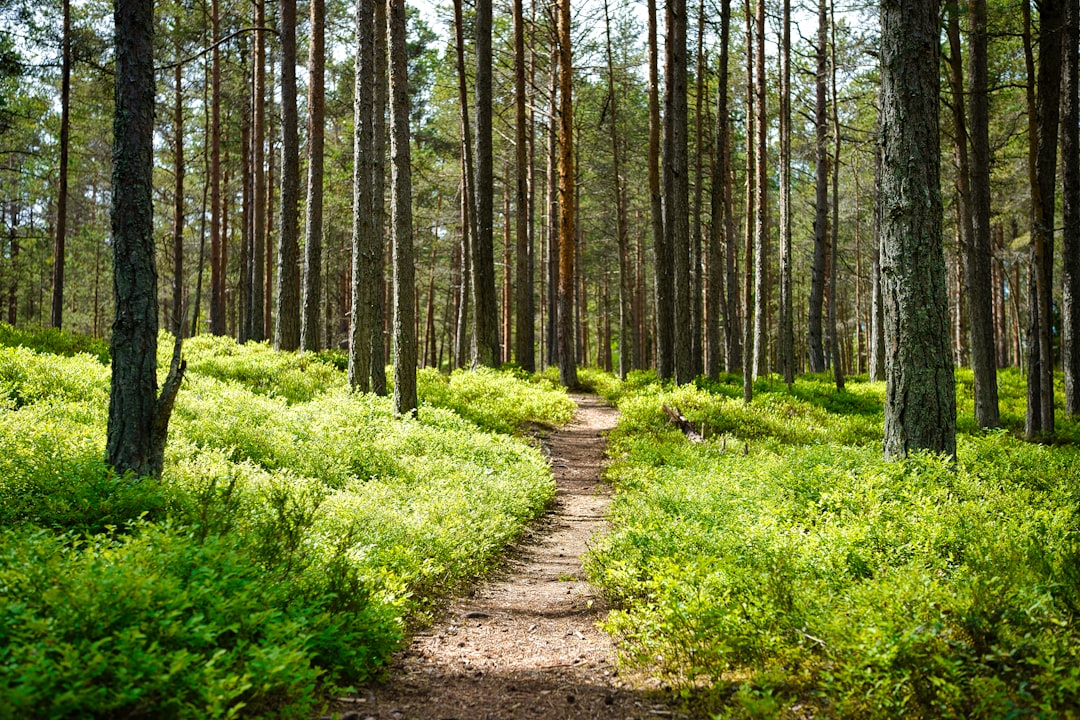
Governments are building new long-distance trails to draw visitors away from overcrowded hotspots and into rural areas. Many are modeled after the beloved Camino de Santiago.
El Camino de Costa Rica spans 174 miles. South Korea’s Dongseo Trail, a 530-mile route, is set to debut in 2027. In Patagonia, a group of certified lodges developed three lodge-to-lodge routes designed to benefit local communities, the environment, and the economy.
This summer, the Peloponnese Trails launch in Greece, a network of hiking routes spanning more than 1,000 miles, created with more than 20 local associations. It gives travelers a real reason to explore beyond Greece’s most popular beaches.
Hotels Taking on Food Waste
Here is a number worth knowing: hotels produce an estimated 79,000 tons of food waste per year. The travel industry is finally taking that seriously.
In April, the United Nations Environment Programme and UN Tourism launched the “Recipe of Change” initiative. Major hotel brands (including Accor, Club Med, Iberostar, Minor Hotels, Radisson Hotel Group, and Six Senses) pledged to cut food waste in half by 2026. Many are using AI to track what guests actually eat, meal by meal and season by season.
By the end of 2025, restaurants using Winnow, an AI food-waste technology company, had saved over $100 million in food annually. Airbus and Virgin Atlantic are developing a Smart Catering AI tool for long-haul flights, with Airbus hoping for double-digit reductions in preventable waste once the tool moves out of its trial phase. Cathay Pacific has gone a step further by developing a food-waste recycling program that produces enough biogas to power approximately 8,000 Hong Kong homes each year.
Farm Stays Are Having a Moment
There is something deeply appealing about slowing down on a working farm. And it turns out a lot of travelers feel the same way. According to a recent report from Expedia, Hotels.com, and Vrbo, 84 percent of travelers said they want to stay on or near a farm in 2026. Over the past two years, guest reviews mentioning farms on Vrbo spiked 300 percent year over year.
Flockhill, a working sheep station in New Zealand, reports that farm tours, shadowing shepherds, and watching lambing and shearing rank as the top highlights for guests. At Fowlescombe Farm, a 450-acre estate in south Devon, England, Tamworth piglets and Manx Loaghtan sheep roam free, wildflowers grow for the picking, and meals are prepared from ingredients grown right on the estate.
In northern Japan, Azuma Farm Koiwai (guided by legendary hotelier Adrian Zecha) offers horseback excursions through the pastures and a culinary program rooted in the local community’s circular food traditions. Back in the U.S., 84 Ranch opens this June in Pagosa Springs, Colorado, offering hands-on ranch experiences and workshops in skills like blacksmithing and soapmaking.
Luxury Trains and Greener Seas
If you have ever dreamed of crossing a continent by train or setting sail on something truly beautiful, this is a good time to pay attention.
According to the International Energy Agency, a train journey produces on average 85 percent less CO2 than a flight and 87 percent less than a car trip. And train travel is getting lavish. England now has its first luxury sleeper train, Belmond’s Britannic Explorer. Italy debuted La Dolce Vita Orient Express — the first of three trains under the newly revived Orient Express brand. Belmond’s Venice Simplon-Orient-Express is adding four new routes from Paris to Italy. Saudi Arabia will launch the 33-suite Dream of the Desert, and China is inaugurating the Golden Eagle Silk Road Express.
In North America, Canada’s Rocky Mountaineer offers a new Passage to Peaks route between Banff and Jasper. Canyon Spirit has expanded its Rockies to the Red Rocks trip from Moab to Salt Lake City.
At sea, the Orient Express Corinthian is set to launch this June. By 2030, Hurtigruten and Ponant aim to debut zero-emission ships powered by hydroelectric, solar, and wind energy, including the Arctic’s first solar-sailing ship, operated by Selar.
Travel has always been one of life’s great pleasures. It is good to know the world is finding ways to make it a little kinder too.