
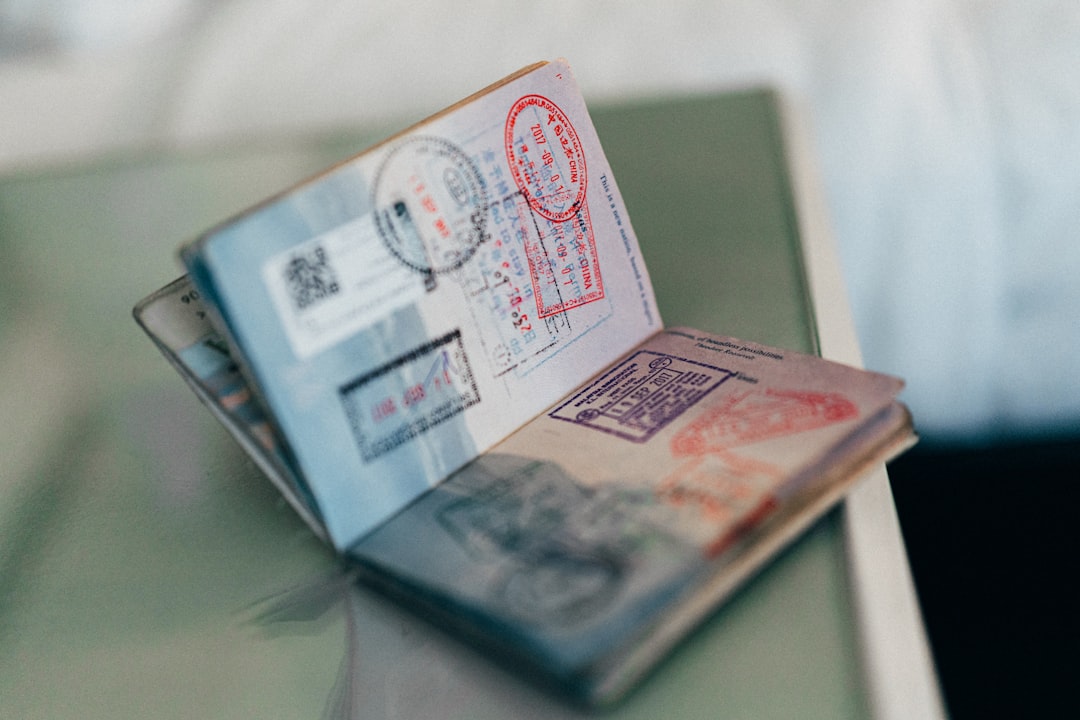
You have planned the trip, packed your bags, and you are ready to go. But did you check the local laws?
What is perfectly normal at home can get you fined or even arrested in another country. These are not obscure ancient rules gathering dust on the books. They are actively enforced. And travelers get caught by them every year.
Here are seven laws worth knowing before your next international trip.
1. Bringing Common Medicines Into Japan
This one surprises almost every American traveler. Japan bans many over-the-counter medicines that are completely legal here. Nyquil, Tylenol, Sudafed, and most decongestants and allergy medications cannot be brought into the country.
Japan’s Pharmaceutical Affairs Law also bans certain prescription medications for ADHD and depression. Having a doctor’s note or a valid prescription does not change this. If Japanese authorities find these drugs in your luggage, you could be arrested.

2. Sitting on the Spanish Steps in Rome
Rome’s famous Spanish Steps are a bucket-list stop for good reason. But you cannot sit on them. Since 2019, Rome has banned resting on the steps after tourist crowds made it too difficult for people to simply walk through.
If authorities catch you sitting, they will blow a whistle and ask you to move. Ignore them, and you face a fine between $185 and $460.
3. Hugging or Kissing in the UAE
The United Arab Emirates welcomes millions of visitors each year, but it has strict rules about public displays of affection. Holding hands is acceptable. Hugging and kissing in public are not.
Article 411 of the UAE’s penal code classifies these as “indecent acts.” Fines can reach $270, and jail time is possible. In 2010, two British friends greeted each other with a kiss on the cheek and were jailed for a month.
4. Wearing Camouflage in the Caribbean
Camouflage clothing is everywhere back home, but pack it for Jamaica or several other Caribbean nations and you could face a real problem. Military and police uniforms in these countries use camouflage patterns, so wearing similar clothing is illegal for civilians.
Authorities can fine you up to $2,000 and may require you to remove and surrender the clothing on the spot.
5. Feeding Pigeons in Vienna
Austria made it illegal to feed pigeons in Vienna back in 2014. The city was dealing with an overpopulation problem, public feeding was causing the birds to breed at higher rates. The extra pigeons also attracted rats and created litter throughout the city.
The fine is about $42. And here is an added reason to skip it: human food is not good for the birds anyway.
6. Wearing Swimwear Away from the Beach in Barcelona
Barcelona sits right on the Mediterranean, so it makes sense that beachgoers once wandered the city streets in their swimsuits. Since 2011, that has been against the law. Swimwear is permitted only on the beach itself.
As in Rome, you will get a warning first. If you refuse to cover up, you face a fine between $140 and $580.
7. Taking Buddha Souvenirs Out of Thailand
Picking up a small souvenir is one of the great pleasures of travel. In Thailand, though, you need to be careful about what you choose. Thai law requires written government permission to take certain items home.
This includes religious antiques and images of Buddha: wood carvings, posters, and even jewelry. Authorities can confiscate the items, issue a large fine, and there is potential for imprisonment.
A Few Minutes of Research Can Save Your Trip
None of these laws are designed to trap tourists. They reflect local customs, safety concerns, and cultural values that matter deeply to the people who live there.
Taking a little time to look up the rules before you travel is a simple act of respect — and it can keep your dream trip from turning into a nightmare.