
A unique satisfaction comes from making something with your own hands, even when the result is wonderfully ordinary. A loaf of banana bread, a knitted dishcloth, a birdhouse, or a handwritten birthday card may never be displayed in a gallery or hailed on the news, but that isn’t the point. Instead of stemming from recognition, the pleasure often comes from the act of creation itself.
Simple Projects Yield a Sense of Completion
Many parts of life involve ongoing responsibilities that are never truly finished. Laundry needs to be washed again the next week. Gardens require routine tending. Emails pour in day after day. Dust resettles, dirt finds its way back inside, and trash refills the bins.
Creating something simple offers a different experience. You begin, you work steadily, and eventually you reach a satisfying conclusion—a defined end point.
There’s deep satisfaction in being able to say, “That’s done,” and that be it.
Working With Your Hands Changes the Pace
Many simple projects encourage a slower rhythm than that which fills most days. Measuring ingredients, sanding a piece of wood, arranging flowers, or compiling photographs for a scrapbook demands attention but not urgency. Your hands stay busy while your mind has room to wander, reflect, or simply enjoy the process.
For many people, this slower pace feels refreshing and significantly contributes to the pleasure they derive, both while working and when finished.
Not Everything Needs to Be Perfect
One of the pleasures of simple projects is that small imperfections rarely matter. A pie crust may brown unevenly. A handmade scarf might have a few irregular stitches. The tomatoes in the garden won’t all be identical or the perfect shade of red.
Those imperfections become part of the charm, as they remind us that something was made by a person rather than produced by a machine. Instead of revealing flaws, these details reflect the effort put into the end result.
Everyday Creativity Is Easy to Overlook
People sometimes think of creativity exclusively as artistic endeavors like painting, writing novels, or composing music. But everyday life provides countless opportunities to create:
- arranging a bouquet from your garden
- trying a new casserole recipe
- building a bookshelf
- restoring an old picture frame
- decorating a table for family dinner
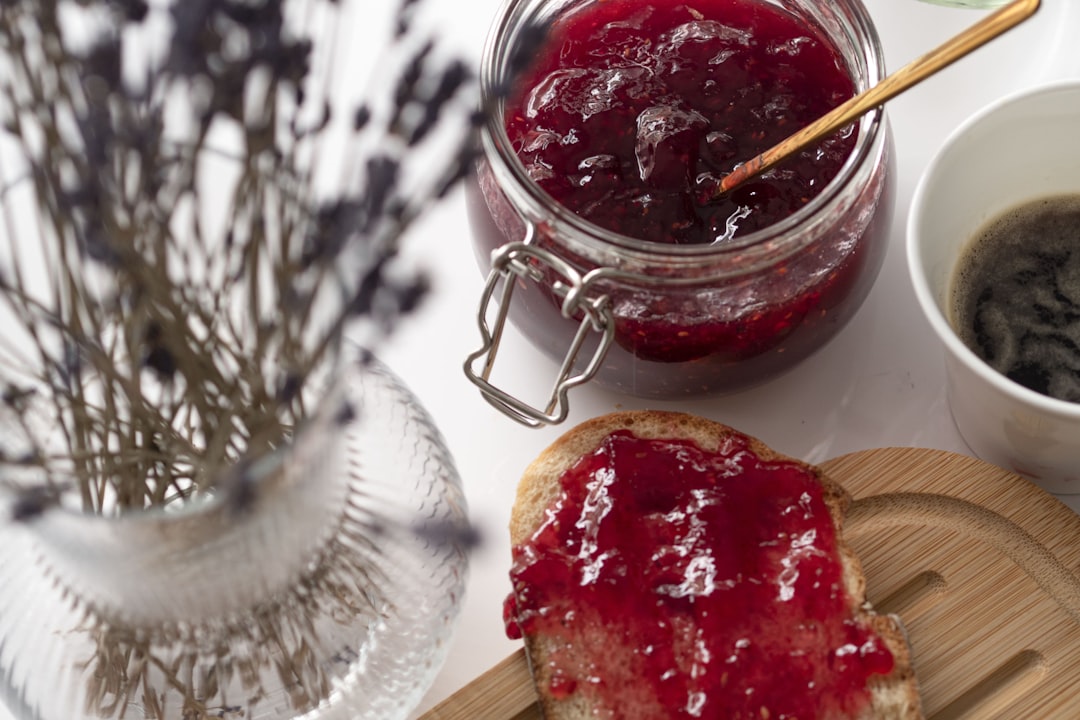
- making homemade jam
These activities may seem ordinary, but they all involve imagination, decision-making, and care, and they can all prove fulfilling if done intentionally.
The Results Can Be Shared
Many simple projects naturally bring people together. Fresh cookies are offered to a neighbor. A knitted blanket becomes a gift for a friend. A refurbished crib is passed down to a grandchild. Herbs from the garden are shared across the fence.
Making is gratifying in and of itself, but it also facilitates opportunities for generosity, which can be rewarding in a whole different way.
The Satisfaction Lasts Longer Than Expected
Even after the project is finished, the enjoyment frequently continues. Each time you sit in the repaired chair, taste the soup you froze for later, or see flowers blooming where you planted them, you’re reminded of the pleasure that came from creating something yourself. The project may have taken only an afternoon, but the satisfaction lingers long after the work is done.
Why This Matters
Making something simple reminds us that satisfaction doesn’t always come from accomplishing something extraordinary. Often, it’s found in creating something useful, thoughtful, or beautiful with care and attention.