
Much of modern life encourages people to share what they create. Photos are posted on Facebook and Instagram. Projects are displayed in galleries and online portfolios. Paintings are posted on personal blogs or sold on Etsy. As a result, accomplishments are often measured by how many people see them.
Yet, a different kind of satisfaction comes from creating something with no intention of showing it to anyone else. The simple act of creative expression can be valuable in and of itself.
Some Activities Are Enjoyable for Their Own Sake
Many people—including professional artists themselves—have creative interests that exist entirely outside of performance or recognition:
- sketching in a notebook
- writing observations or poems in a journal
- arranging flowers from the garden
- woodworking projects
- knitting
- photography
- playing a musical instrument at home
For many people, the enjoyment they derive from these activities comes from the process rather than the result. Without an audience, there is no pressure to impress anyone.
Freedom Increases When Expectations Disappear
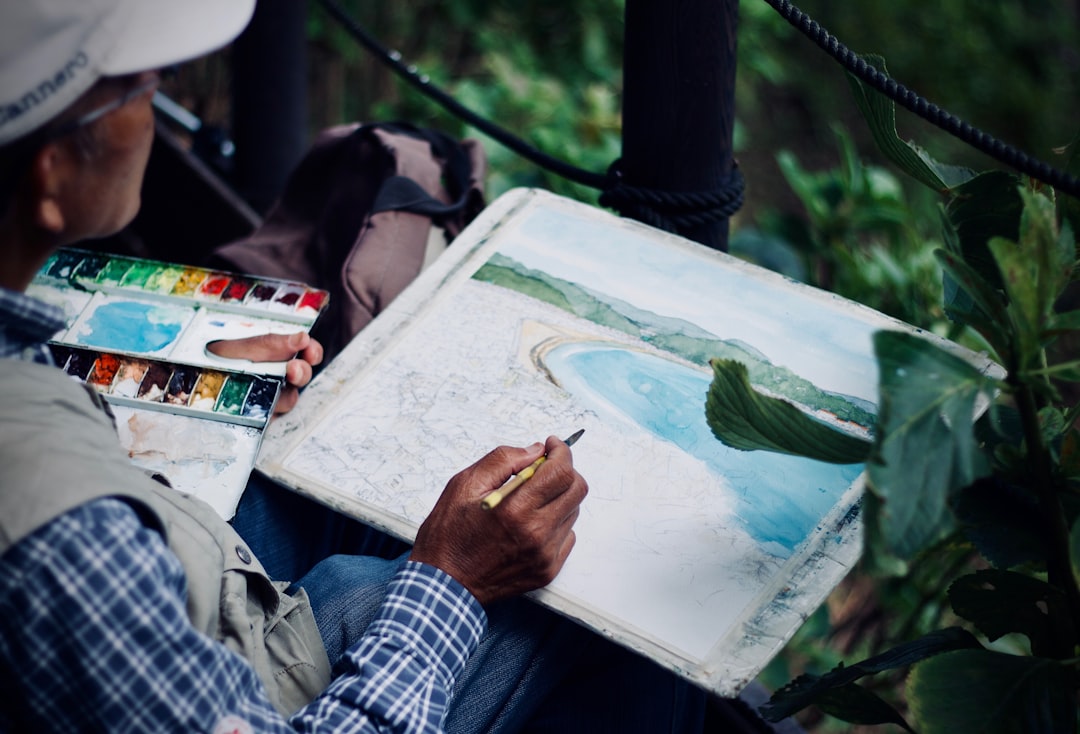
When people stop worrying about whether something is “good enough,” they frequently find that creative expression becomes more relaxed. A watercolor painting doesn’t have to be framed in a gallery or hung on your wall. A short story doesn’t need to be published. A garden doesn’t have to look like it graced the pages of a magazine.
Instead of aiming to impress a real or imagined audience, the activity becomes an opportunity to explore, experiment, and enjoy.
Private Creativity Encourages Curiosity
Creating purely for personal enjoyment allows people to follow interests wherever they lead.
Someone might spend an afternoon trying a new recipe, learning a few songs on a piano, restoring an old piece of furniture, or experimenting with a new art technique.
Because there is no audience waiting for results, there is more room for play and discovery. And through this play and discovery, you may very well create something entirely your own that you end up choosing to share.
The Process Creates a Distinct Kind of Focus
Many creative activities encourage sustained attention. When sketching, sewing, building, baking, or playing music, people often become wholly absorbed in the task. For a while, everyday concerns recede into the background—worries fade, replaced by the satisfying exertion of creativity.
While the act of creation itself may prove intense and engaging, many people nonetheless find this kind of focus deeply pleasant and relaxing.
Not Everything Valuable Needs to Be Shared
One interesting aspect of private creativity is that it reminds us that value and visibility are not the same thing. A handwritten poem tucked into a drawer, a collection of photographs sitting in the back of a closet, or a handwoven blanket created simply for the pleasure of making it can be deeply meaningful even if very few people ever see it.
Whether thousands of people see it or just one, the experience of creating the item remains equally worthwhile.
Creativity Evolves Over Time
People sometimes return to creative interests they enjoyed years earlier—perhaps a recent retiree begins playing the violin again years after her high school recitals ended. Others discover entirely new forms of expression later in life—such as parents whose children have moved out dedicating a new room to home pottery.
Because there is no deadline, competition, or expectation attached to these personal interests, creative pursuits can grow slowly and naturally, becoming a rewarding part of everyday life.
Creativity Can Extend Beyond Simple Enjoyment
Some people use their creativity as more than a hobby. One person may paint watercolors to encourage an appreciation of the world around them. Another person may write poems to organize and give voice to their thoughts.
These works may never leave the person’s home—and that’s perfectly okay. Just as with other forms of creative expression, the value of these activities stems not from their artistic credibility or reception. Instead, their value comes from the deeply personal benefits they provide the people who undertake them.
Why This Matters
Creative expression doesn’t require an audience to be meaningful. Some of the most satisfying creative experiences happen when people are free to make, explore, and experiment simply because they find some joy or benefit from doing so.