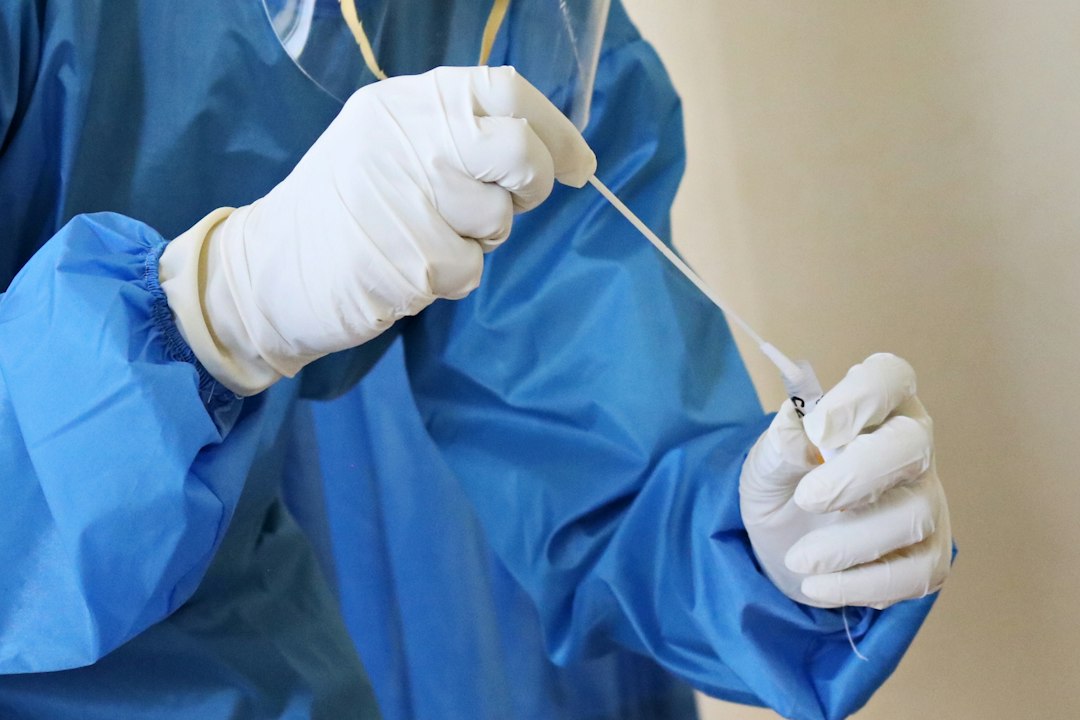
You just saw two lines on that COVID test. Or maybe the fever and scratchy throat are pointing in a direction you didn’t want. Either way, the most important thing to know is this: act quickly. For adults 65 and older, early steps can make a real difference.
Here is what to do, starting right now.
Step One: Stay Home and Call Your Doctor
As soon as you know or suspect you have COVID, stay home and away from other people as much as possible. Then pick up the phone.
Don’t wait until you feel really sick to make that call. Dorothea Vafiadis, Senior Strategist for Healthy Aging at the National Council on Aging (NCOA), puts it plainly: “Think about when your COVID symptoms first started and write down the date if you can. Your doctor or nurse will need this information to determine if you’re within the window for antiviral treatment.”
That window matters more than many people realize. COVID antiviral medications must be started within just a few days of when symptoms begin; they can lower the risk of hospitalization and death for people at higher risk, including older adults and those with chronic health conditions like diabetes or heart disease.
Make Sure You Have a Positive Test
If you haven’t tested yet, do it now. You can use an at-home rapid antigen test, or get tested at your doctor’s office, a health clinic, or some pharmacies. A positive result means the SARS-CoV-2 virus was detected.
If your test comes back negative but you still have symptoms, don’t stop there. The U.S. Food and Drug Administration recommends testing again 48 hours after a negative antigen test result. One negative test is not a sure thing.
Ask Your Doctor About Treatment
This is the step many people skip and it shouldn’t be.
There are three antiviral treatments your doctor may consider. Paxlovid is usually the first choice. In clinical trials, it was found to be 88 percent effective at lowering the risk of COVID-related hospitalization. Lagevrio (molnupiravir) is another option used when Paxlovid isn’t available or isn’t right for a particular patient. Both must be started within 5 days of when symptoms begin.
Veklury (remdesivir) is a third option, a 3-day intravenous treatment that must be started within 7 days of symptom onset. Your doctor can suggest what is best for you based on your age, symptoms, and overall health.
One important note: antivirals do not shorten the duration of COVID symptoms. But they can reduce the risk of ending up in the hospital. Also remember, you should never try to get or use these medications without consulting a doctor. Always follow a licensed doctor’s lead and never act on your own.
Taking Care of Yourself at Home
For mild cases, rest is the best medicine. It lets your body focus its energy on clearing the virus instead of everything else on your to-do list. Drink plenty of fluids to help with nasal irritation and replace what you lose through sweating, coughing, and congestion.
Over-the-counter medicines like acetaminophen (Tylenol) or ibuprofen (Advil) can ease fever, headaches, and body aches, but always check with your doctor first. Some OTC medicines can interact with prescriptions you’re already taking. And don’t stop or change any regular prescription medication on your own without checking with your doctor first.
Protecting the People Around You
The CDC recommends staying home until your symptoms are clearly improving overall and you’ve been fever-free for at least 24 hours, without taking a fever-reducing medicine like Tylenol or Advil to get there.
After that, take extra precautions for the next 5 days. That means:
- Wearing a well-fitting mask around others
- Improving ventilation indoors when possible
- Keeping some distance from people
- Washing your hands often and thoroughly
Be especially careful around anyone who is at higher risk for severe illness, including other older adults or those with chronic health conditions.
Warning Signs to Watch For
Check in with your doctor if your symptoms are getting worse instead of better, if you develop breathing problems, if a fever lasts several days, or if symptoms seem to be making an existing condition worse. As Vafiadis noted, “if you have asthma and you’re wheezing more than usual or you need your inhaler more often,” that’s a reason to call.
Some symptoms require calling 911 right away. Go to the emergency room immediately if you experience:
- Trouble breathing
- Chest pain or pressure that doesn’t go away
- Sudden, unexplained confusion
- Difficulty waking up or staying awake
- Pale, gray, or blue-colored skin, lips, or nail beds
What About COVID Rebound?
Sometimes symptoms return after you’ve started feeling better. You might even test positive again after testing negative. This is called COVID rebound, and it typically happens 3 to 7 days after the initial illness resolves. It can occur whether or not you took an antiviral medication.
The good news: rebound symptoms are usually mild and clear up within a few days. They don’t mean you’re at greater risk for severe illness. Still, check in with your doctor if you think it’s happening.
After You Recover
Recovery looks different for everyone. Some people bounce back quickly. Others take longer. Pay attention to your energy level and breathing as you get back on your feet.
“If symptoms linger, if they come back, or they make it hard to manage your usual activities, let your doctor know,” Vafiadis advised.
Some people develop long COVID, a condition that can cause symptoms like headaches, fatigue, memory loss, and fever for months or longer after the initial infection. Susan, who shared her experience with the World Health Organization, struggled with long COVID for more than two years before regaining her health. Her message to others: “It’s vital to remember that viral infections are debilitating or even deadly. I hope people are now better at minimizing contact with others if they have viral symptoms and more readily take up protective vaccinations when offered.”
The bottom line: when COVID arrives, acting fast and staying in close touch with your doctor gives you the best chance at a smooth recovery.