You wake up with a scratchy throat and a stuffy nose. Is it just a cold? Or something else? This time of year, that question matters more than it used to.
The cold season runs from September through May. Most adults get two to four colds a year. But for those of us over 65, even a mild cold deserves a closer look. Our immune systems do not fight off infections as easily as they once did. That is just the honest truth about getting older.
Here is what you need to know about the four respiratory illnesses that tend to show up together this time of year, and how to tell them apart.
What Makes a Cold Different
A common cold is a mild infection of the nose and throat. More than 200 different viruses can cause it, including rhinovirus. The symptoms come on gradually and tend to stay mild.
Common cold symptoms include:
- Runny or stuffy nose
- Sore throat
- Mild cough
- Mild headache
- Congestion
Most colds run their course within a week or two. There is no medicine that cures a cold, but there is plenty you can do to feel better while it passes. In older adults who are not in good health, symptoms can last longer.
When It Might Be the Flu, COVID, or RSV
The flu tends to hit you suddenly and hard. Cold symptoms sneak up on you. Flu symptoms arrive all at once.
Key flu symptoms include:
- Persistent high fever and chills
- Muscle aches and headache
- Strong fatigue and weakness
- Dry cough
COVID-19 can look a lot like a cold or the flu at first. But a few signs set it apart.
Key COVID symptoms include:
- Loss of smell or taste
- Shortness of breath
- Chest pain or heaviness
- Diarrhea, nausea, or vomiting
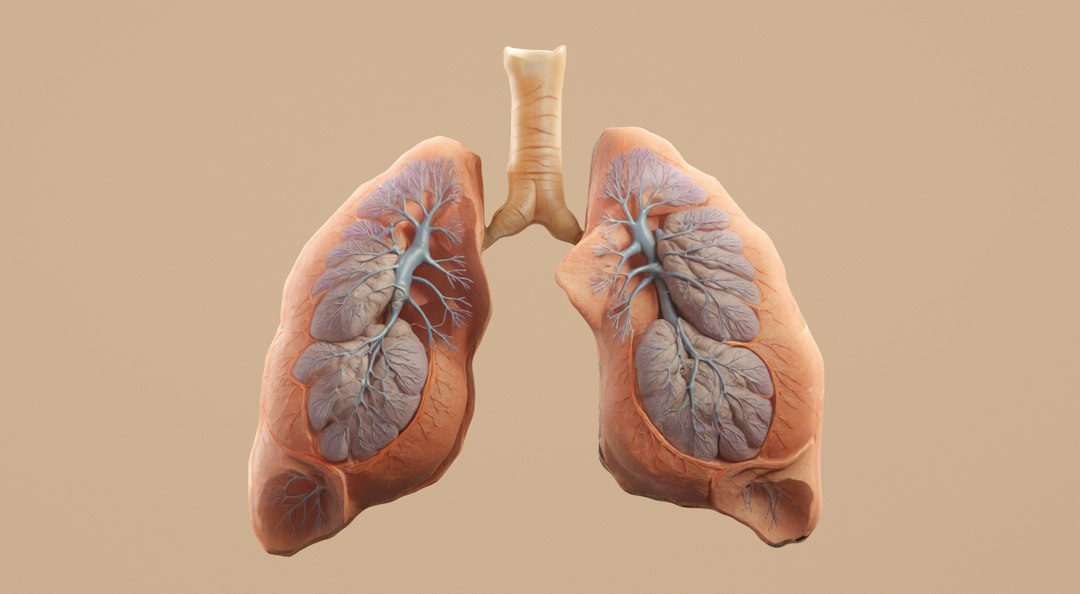
RSV often starts the same way a cold does: runny nose, cough, sore throat, fatigue. The difference is what can happen next. RSV is much more likely than a cold to move into the lower airways, causing wheezing, shortness of breath, high fever, and labored breathing.
Why a Cold Is a Bigger Deal After 65
A cold that a younger person shakes off in a few days can sometimes become something more serious for an older adult. It can develop into pneumonia, an acute illness that claimed more than 40,000 American lives in 2024 alone, according to the Centers for Disease Control and Prevention.
If you have a chronic condition like asthma, COPD, or emphysema, a cold can make those conditions flare up for several weeks, even after the cold itself has cleared.
If you think you might have the flu or COVID, contact your doctor early. Treatments for both must be started quickly to be effective.
Home Remedies That Actually Help
You cannot cure a cold. But you can make yourself a lot more comfortable while your body does its work. Here are some approaches the source article highlights:
- Chicken soup — one study found it can ease inflammation, help with rehydration, and even slow infection
- Tea with honey and lemon — soothes throat pain
- A cool-mist humidifier — can reduce nasal inflammation
- Gargling with salt water — helps loosen mucus and eases throat and nasal discomfort
- Vapor rub on your chest — helps calm a cough
- Petroleum jelly on an irritated nose — soothes sore, chapped skin
- Sleeping with your head at a 45-degree angle — keeps mucus from pooling in your sinuses
Rest as much as you can. Skip the social outings while you are sick. Make sleep a priority. If you smoke, try to cut back until your symptoms ease.
Over-the-counter medications like ibuprofen, acetaminophen, decongestants, and antihistamines can give you short-term relief. Talk to your doctor first about what is right for you.
When to Call Your Doctor
You should contact a doctor if your symptoms:
- Last more than 10 days without improving
- Get better and then come back or get worse
- Include a fever lasting more than four days
- Make it hard to swallow or keep fluids down
- Worsen a chronic condition like COPD
Get medical help right away if you have trouble breathing, chest pain or pressure, confusion, severe weakness, or signs of dehydration.
And remember, cold-like symptoms can also be the flu, COVID, or RSV. When in doubt, call your doctor and describe what you are feeling. That is always the right move.
How to Lower Your Chances of Getting Sick
You cannot prevent every cold. But a few habits go a long way.
Wash your hands with soap and water for at least 20 seconds, often. If soap is not available, use hand sanitizer with at least 60 percent alcohol.
Beyond handwashing, here is what helps:
- Avoid touching your eyes, nose, and mouth
- Regularly disinfect countertops, doorknobs, light switches, and appliance handles
- Keep your distance from people who are ill
- Avoid large indoor crowds, especially in poorly ventilated spaces
- Get enough protein: eggs, lean meats, legumes, and dairy are all good sources, since a lack of protein can weaken your immune system
- Stay hydrated every day, since good hydration helps your body fight off germs
Regular moderate exercise helps boost your immune system too. Even a daily walk counts.
Cold season does not have to knock you flat. A little preparation and a lot of handwashing can make a real difference.