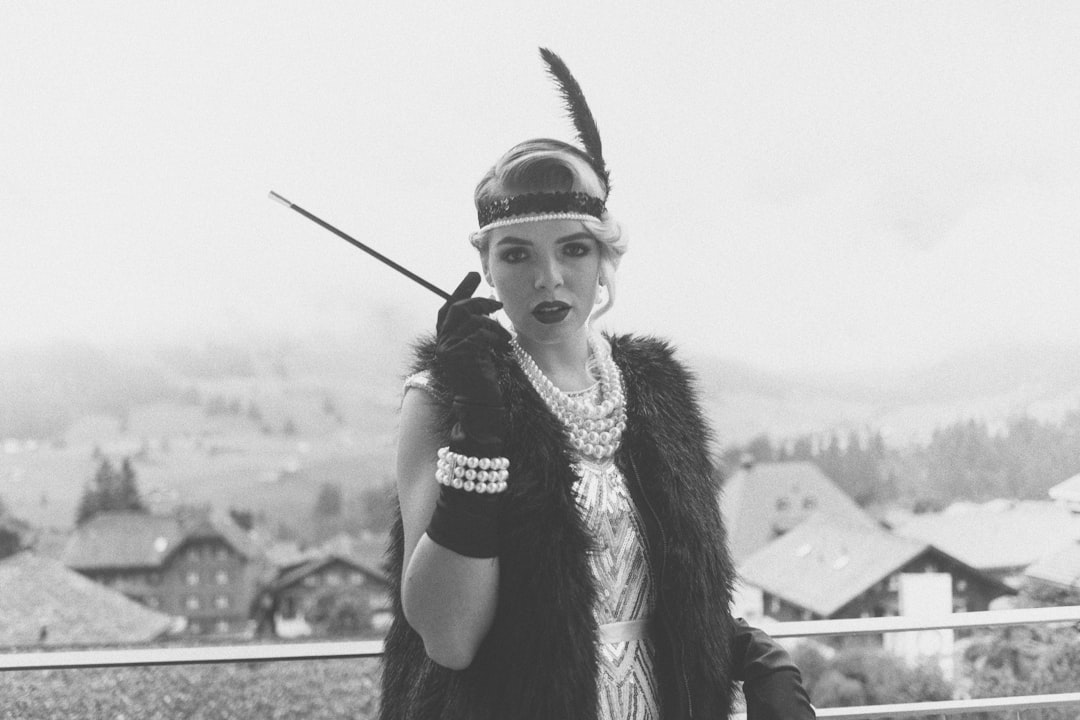
 The 1920s gave us a lot. Jazz. Flappers. Prohibition. And, it turns out, a whole collection of words and phrases we still use every single day without ever knowing where they came from.
Back in the early 1900s, a funny little trend swept through American slang. Anything impressive got described as “the something’s something.” The bee’s knees. The cat’s pajamas. The owl’s bowels, if you can believe it. Most of those faded away. But plenty of other Roaring Twenties coinages quietly stuck around.
Here are ten phrases straight out of the Jazz Age that are still on your lips today.
1. Along for the Ride
When you tag along with someone, whether on an actual errand or just a figurative one, you are going “along for the ride.” That phrase first showed up in print in 1921. So the next time you say it, know that a flapper probably said it first.
2. Blind Date
The very first recorded use of “blind date” also traces back to 1921. The phrase was coined in the United States before spreading elsewhere. Some things never change.
3. Buddy System
This one goes back to 1920. The idea of pairing people up so each is responsible for the other’s safety started with that phrase and has been going strong in schools and summer camps ever since.
4. Fly on the Wall
Wishing you could be a fly on the wall during a conversation you weren’t part of? That vivid image dates to 1927. The documentary filmmaking style known as “fly-on-the-wall” came a bit later, in the early 1940s.
5. Grease Monkey
A playful nickname for mechanics, “grease monkey” has been part of American slang since at least 1927. If your father or grandfather ever worked on cars, someone probably called him one.
6. Heebie-Jeebies
That creepy, unsettled feeling of jitters and nervousness? The heebie-jeebies. Nobody is entirely sure of the origin, but the phrase appears to have been popularized, and possibly invented, by cartoonist Billy DeBeck sometime in the 1920s.
7. On-Screen
Movies were a brand-new thrill in the 1920s, and by 1929 people were already describing what appeared in them as “on-screen.” Interestingly, “off-screen,” which was first used for things out of the camera’s view and then for stars’ private lives, did not follow until three years later.
8. Pecking Order
Here is one that might surprise you. “Pecking order” started out as a genuine scientific term, not a metaphor. When it was coined in 1927, researchers used it to describe the social hierarchy observed among animals -chickens, originally- which is exactly where the name came from. The phrase only shifted into everyday use in the 1930s.
9. Under the Counter
This one has a perfectly logical origin. “Under the counter,” meaning a shady or illicit deal, dates to 1927, right in the thick of Prohibition. When something illegal had to be passed along quietly, it went under the counter. The phrase stuck long after the speakeasies closed.
10. Whodunit
Love a good murder mystery? Then you love a whodunit. Evidence of the word dates back to the late 1920s, though it really caught on in 1930 thanks to a book review by American journalist and critic Donald Fordon. The intentionally misspelled spelling was part of the fun from the very beginning.
Ten phrases. All born in the decade of the Charleston and bathtub gin. And every one of them is still rolling off your tongue a hundred years later. The Roaring Twenties may be long gone, but their words clearly are not going anywhere.