
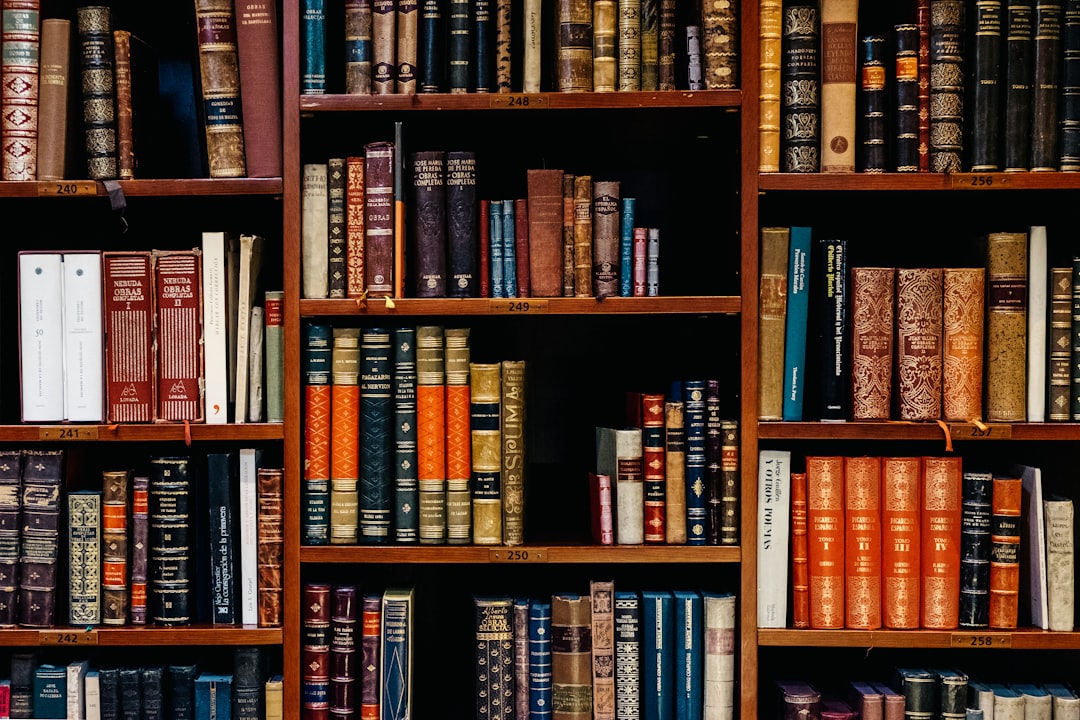
You know that smell. You crack open a paperback from the 1970s at a garage sale, and something warm and dusky and faintly sweet rises up to meet you. Maybe it takes you straight back to your school library. Maybe it is your mother’s bookshelf, or a rainy afternoon with a good novel.
Whatever it brings back, you are not imagining it. There is real science behind that smell and a name for the love of it.
There Is a Word for This
In 2014, English professor Oliver Tearle coined the term bibliosmia. He mashed together the Greek words for “book” and “smell” to describe the specific pleasure of sniffing old pages. If you have ever caught yourself doing exactly that at a used bookshop, congratulations: you are a bibliosmiac, and you have plenty of company.
The love of old book smell runs so deep that one perfumery sells both an “Old Book” and a “Paperback” scent, so you can carry the library with you wherever you go.
What Does It Actually Smell Like?
Ask a room full of readers to describe it and you get answers that sound like a wine tasting. Board-certified neurologist Dr. Rab Nawaz Khan describes it to Reader’s Digest as “warm, woody, slightly sweet, dusty and sometimes faintly vanilla-like, with an underlying mustiness.” He adds that the exact smell varies with the paper, ink, binding, storage conditions and age.
Cheyenne Williams, a bookmaker and co-founder of the subscription box Everlore Hollow, thinks about book smells in layers. “At first, there’s a dry, papery sweetness that reminds me a little of hay,” she says. “Then you get the warmer part: vanilla and almond. Underneath all of that is a soft, dusty musk with a faint earthiness.”
That earthy base note is what everyone is really chasing. Williams says too much of it tips into mildew or men’s cologne territory. “When it’s balanced by the sweeter notes, though, it becomes soft and comforting.”
The Chemistry of an Old Book
Here is what is actually happening inside that aged paperback. As paper ages, wood fiber and a natural compound called lignin slowly break down and release volatile organic compounds – VOCs for short. Those are the molecules you are smelling.
Lignin is found in the wood pulp that most modern paper is made from. As it ages, it produces a sweet aroma. That is where the vanilla-like quality comes from. Books made from cheap wood-pulp paper tend to have a stronger smell than those made from rag paper, which is made from cotton or linen fibers and contains little lignin.
Four specific molecules do most of the work:
- Vanillin — the same compound that gives real vanilla beans their scent. Yes, your old book genuinely smells a little like a bakery.
- Benzaldehyde — adds a faint almond note, deepening the warm, sweet quality.
- Furfural — smells like toasted bread. Researchers at University College London found it useful as a chemical marker for measuring how degraded a piece of paper actually is, essentially diagnosing a book’s condition by its smell alone.
- Guaiacol — brings a faint smoky or spicy note. It is the same compound responsible for the smoky character in whiskey, roasted coffee, and campfire smoke.
On top of that, ink, glue, leather, and cloth bindings all age differently and add their own layers. And as Williams notes, every book picks up something from its environment over the years: dust, humidity, and sometimes the particular character of the home it lived in.
Why Your Brain Loves It So Much
The chemistry explains what you are smelling. But why does it feel so good?
Part of it is memory. “An old-book scent may instantly bring back libraries, school, family homes or quiet reading,” Dr. Khan says. Williams agrees: “A scent can bring you back to a place before you’ve even consciously identified it.” For many people, she adds, the smell is tied to childhood libraries, a grandparent’s bookshelf, or simply the feeling of being somewhere quiet and safe.
There is real brain chemistry behind that feeling, too. Dr. Khan explains that smell has a more direct line to the parts of the brain that handle emotion and memory than our other senses do. Sight and sound get routed through more processing first. Smell takes a shortcut, which is why a scent can trigger a full memory before you have even placed what you are smelling.
And there is one more layer. A study published in Frontiers in Human Neuroscience found that food-associated scents, like the vanilla and almond notes in old books, activate the brain’s dopamine-driven reward circuitry in a way that most other smells do not. So when you sniff an old book, part of what is happening is your brain quietly rewarding you for smelling something that reminds it of warm cookies fresh from the oven.
Is It Safe to Keep Sniffing?
Good news for lifelong readers. “Normal aged-paper odor from a clean, dry book is unlikely to be harmful during ordinary handling,” Dr. Khan says. The VOCs a typical book releases are simply not concentrated enough to pose a health risk.
Dust and mold are a different story. Dr. Khan notes that mold particles and spores can irritate the nose, eyes, throat, and lungs. He recommends that people with asthma, mold allergies, chronic lung disease, or weakened immunity avoid deliberately sniffing visibly moldy or heavily musty books.
So how do you tell the difference between wonderfully musty and genuinely concerning? Dr. Khan says to watch for a strong damp or basement-like odor, visible fuzzy or powdery growth, wet or warped pages, staining, or pages sticking together. Also pay attention to your own body: coughing, wheezing, itchy eyes, or congestion while handling a book are signs to set it aside.
Williams puts it simply: “Warm, sweet and dry is the beautiful chemistry of aging. Sharp, funky and wet means handle with care.”
Your everyday secondhand paperback? Sniff away. That smell is just time doing its quiet, delicious work.