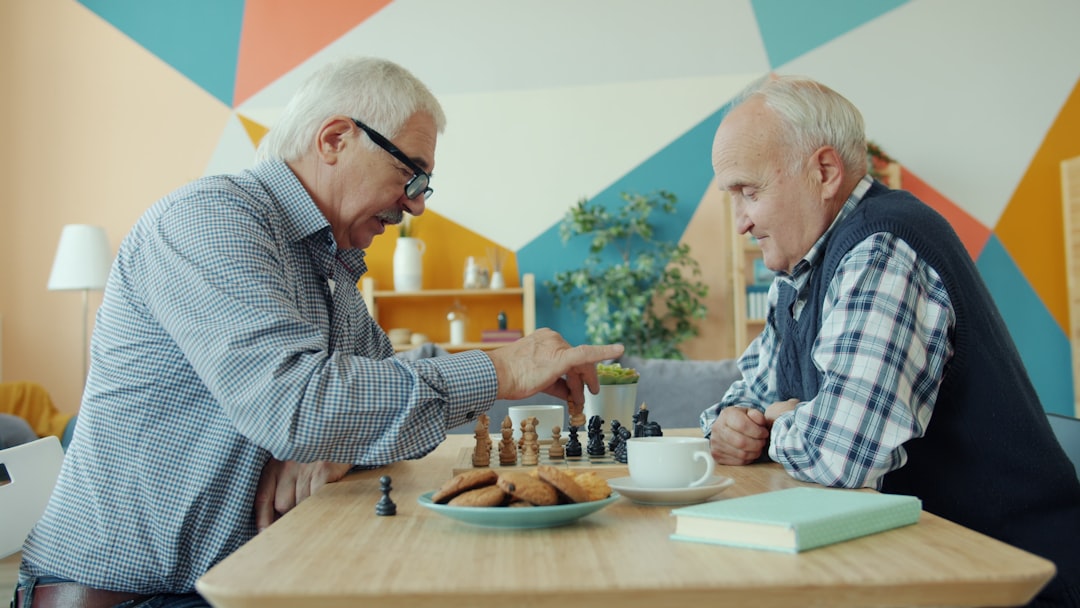
You worked alongside some of these people for decades. You shared lunch breaks, complained about the same boss, celebrated birthdays. Then the day came when you walked out the door for the last time and slowly, almost without noticing, those friendships began to fade.
Psychologists have a name for this. They call it the friendship cliff.
Dr. Jeff Gardere, a Board-Certified Clinical Psychologist and Professor at Touro University College of Osteopathic Medicine, describes it as the gradual loss of work and social relationships that happens as we move into retirement. “Many of our social and personal connections are related to the structure of work,” he explains. “When we retire, that structure is now gone and so go many of the relationships that were associated with work.”
The hard part, Dr. Gardere says, is realizing how much of those friendships were built on proximity and shared purpose. Once those are gone, some connections turn out to be thinner than they seemed.
Why It Happens So Quietly
Dr. Clint Salo, a Board-Certified Psychiatrist and Medical Director with The Grove Recovery Community, says the shift catches many people off guard. “For many people, work provides built-in opportunities to socialize,” he notes. “Once retirement begins, those casual conversations and shared experiences disappear, and friendships can gradually fade if they aren’t intentionally maintained.”
Heather Oller, MS, LMHC, Founder and CEO of Orlando Thrive Therapy, says it can start even before your last day on the job. Once you begin planning your exit, she explains, the dynamic shifts. “All of a sudden, every day feels like Saturday, and you realize you’ll only see acquaintances if you take the initiative.”
Signs You May Be Slipping
Dr. Gardere says these warning signs are worth paying attention to:
- Feeling isolated even though you have more free time than ever
- Getting fewer invitations to social events
- Losing the drive to get out and engage with others
- Feeling lonely, bored, or disconnected
“These changes can occur gradually,” he adds, “and they become easy to overlook until we begin to feel unusual amounts of isolation and even loneliness.”
How to Climb Back Up
The good news is that Dr. Salo says these issues can be reversible if you catch them early and you’re willing to put in some effort.
His biggest piece of advice? Don’t wait for someone else to make the first move. Reach out to an old friend. Suggest something simple: a cup of coffee, a walk in the park. “Building and maintaining friendships takes intention, especially after retirement,” he says.
Oller adds a gentle reminder: if your friends are also retired, they may be going through the same thing. That can make it harder to reconnect, especially if they have already started to pull back. A little patience and persistence can go a long way.
Dr. Gardere wants us to understand just how much is at stake. “Friendship loss in retirement is not simply a social issue; it is a health issue,” he says. Research has shown that strong social connections are linked to lower rates of depression, cognitive decline, cardiovascular disease, and premature mortality.
Retirement, he says, is really a transition into a new identity. And when done right, it includes more than just a slower pace. It includes purpose. And it includes people.
The friendship cliff is real. But so is the path back up.