If you grew up with a newspaper landing on the front step every morning, you may remember more of it than you think. The recipes. The ads. The big headlines your parents read over coffee.
Now picture a box of papers like those, sealed in the summer of 1950 and opened 76 years later.
That is exactly what happened on September 28 at the International School of San Francisco. Students and teachers gathered with workers from Caltrans, the agency whose Bay Area headquarters used to be in the building, to open a time capsule. It had been buried on July 20, 1950.
Who Knew It Was There?
The capsule went into the ground at a ribbon-cutting for a new office building on Oak Street. The building was put up to house a district office of the state Division of Highways, which is now part of Caltrans.
For 43 years, it was the Bay Area headquarters for Caltrans. The agency moved to a new building in Oakland in 1993, and the school bought the Oak Street building in 1995.
The sale came with a set of blueprints from Caltrans. Daniel Klingebiel, the school’s director of operations, noticed drawings for a time capsule on them. For years, he suspected it was buried somewhere in the building’s foundation.
This past summer, the school renovated the building. Klingebiel knew he would not get another chance to look. He found it.
What Was Inside?
At the opening, the student body president put on white gloves. One by one, he pulled out the items and read them aloud.
There were newspapers, including copies of the San Francisco Chronicle, the Examiner, and the Call Bulletin. There were business cards, transportation industry publications, and old black-and-white photographs of the buildings.
The food section carried a feature on canning summer fruits and vegetables, along with another on six ways to use cabbage. If there is still a family canning recipe tucked in a drawer at your house, you are in good company.
Eric Thuau, the head of school, was especially taken with the old clippings and their one-cent advertisements.
“It’s like a treasure,” Thuau told KRON4. “I was like a kid who found a treasure, and so we are all very excited about this finding.”
The capsule also held plenty of highway business. A 1949 traffic count showed a 7.4 percent increase on state highways over the year before. Payroll reports listed what every employee earned. The district’s chief engineer made $712 a month.
Go ahead and compare that with your first paycheck. We will not tell anyone.
The papers survived the wait well. “The time capsule did a fantastic job keeping these documents in very good shape,” Thuau told the San Francisco Chronicle. He said the contents will be shared with the school and with the wider community.
A Homecoming on Oak Street
For some of the Caltrans officials there, the event doubled as a homecoming. A few of them had worked in the building before the 1993 move.
Doanh Nguyen, the acting director of Caltrans District 4, started his career in that building’s basement 38 years ago. He called the capsule “both a treasure and a gift.”
Nguyen pointed out that the people who filled the box in 1950 had no way of knowing when it would be opened, or by whom. “Yet they were thinking about the future and sharing what they valued, what they experienced, and what they hoped the future might become,” he said.
Then he turned the question around. He asked the students what they would have put inside if they had lived in 1950. And he urged them to “fill your own time capsule with curiosity and learning.”
“Fill it with love and family, fill it with service and compassion,” he said.
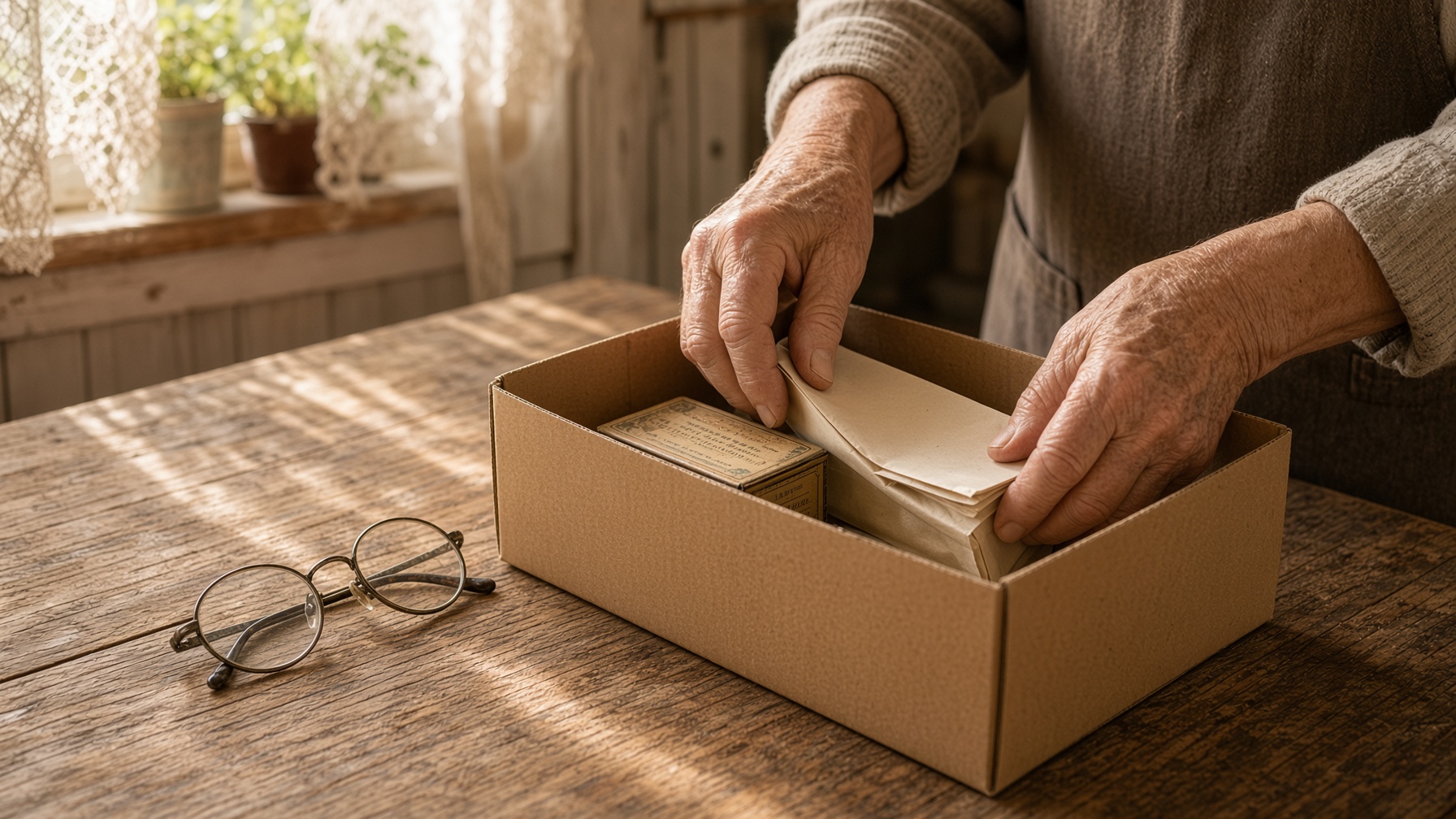
He was speaking to students, but the idea works at any age. A shoebox will do. Add this week’s front page, a favorite recipe, and a letter to a grandchild.
The people who sealed that box in 1950 never knew who would open it. You can choose exactly who opens yours.