
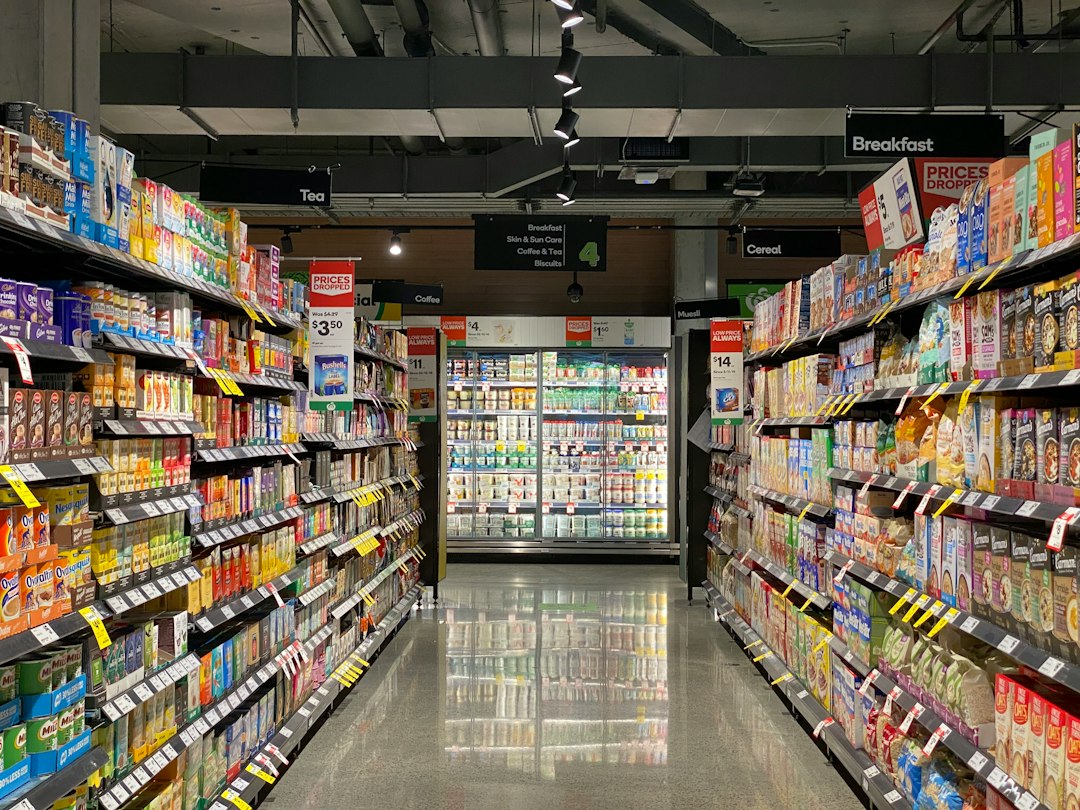
You push the same cart down the same type of aisle, buy the same dozen eggs and loaf of bread, and yet, depending on where you live, you could be paying drastically more than your cousin two states over. Grocery prices across the U.S. vary a lot more than most people realize.
Visual Capitalist recently analyzed data from the Missouri Economic Research and Information Center (MERIC) to compare everyday food costs across all 50 states and Washington, D.C. They used an index where a score of 100 represents the national average. Higher numbers mean pricier groceries. Lower numbers mean you are getting a better deal.
The Most Expensive States for Groceries
Hawaii tops the list by a wide margin. Its grocery index score is 136.3, meaning shoppers there pay 36.3% above the national average. Almost everything has to be shipped across the ocean, and that cost gets passed straight to you at the register.
Alaska comes in second at 126.6 (26.6% above average) for the same reason. Most food travels thousands of miles by sea or air before it reaches store shelves.
California ranks third, with a score of 110.5. That is 10.5% above average. High commercial real estate costs and expensive retail operations drive prices up, even though California grows a huge share of the nation’s produce.
The ten most expensive states for groceries are:
- Hawaii
- Alaska
- California
- Maryland
- District of Columbia
- New Jersey
- Massachusetts
- Washington
- Connecticut
- Florida
Where Your Dollar Goes Further
If you are watching your food budget, the South and the Plains states offer some real relief. Lower commercial rents and strong competition among discount grocery stores keep prices down across the region.
Mississippi has the lowest grocery costs in the country, scoring 93.2, meaning shoppers pay 6.8% less than the national average. Arkansas and Oklahoma follow close behind at 93.4 and 93.5.
The ten most affordable states for groceries are:
- Mississippi
- Arkansas
- Oklahoma
- North Dakota
- Missouri
- Alabama
- Kansas
- Louisiana
- Tennessee
- Texas
What drives the difference? Commercial rent plays a big role. Annual commercial rent in Arkansas averages around $12 per square foot. In Alaska, the second-most expensive state for that cost, it runs about $22 per square foot. Those operating costs trickle straight down to the price of your groceries.
If, as a retiree, you are thinking about where your food dollars go furthest, this data is worth keeping in mind, whether you are weighing a move, visiting family, or just curious about how your state stacks up.