The Books People Recommend Again and Again
November 20, 2026 — 65Nation

Most readers have at least one book they never hesitate to recommend.
It might be a novel they first picked up decades ago, a memoir that helped them make sense of their experiences, or an essay collection that shaped how they view the world.
What makes these books special isn’t necessarily that they’re famous or award-winning. It’s that they leave us with something we want other people to experience.
What Makes a Book Worth Recommending?
Some books stay with us because of their characters. Others introduce us to a place, an idea, or a period in history that we continue thinking about long after the final page.
For some, novels can accomplish this level of impact. Consider To Kill a Mockingbird, which readers frequently remember for its exploration of justice and moral courage, or A Man Called Ove, whose humor and unexpected friendships have made it a favorite among many book clubs.
For other readers, nonfiction might have a greater personal effect. Maybe Tuesdays with Morrie, with its exploration of mortality and connection, would be someone’s pick. Perhaps Guns, Germs, and Steel, with its analysis of geography and wealth, would be someone else’s.
These books are very different, but each gives readers something to discuss, reflect on, and remember.
Of course, the book you recommend most enthusiastically might be one that never appeared on a bestseller list. Sales and awards don’t always equate to personal impact.
The Best Recommendations Are Personal
When suggesting a book, it helps to think about the person who’ll be reading it.
Someone who enjoys mysteries may not appreciate a slow-moving literary novel, no matter how beautifully written or widely acclaimed. Meanwhile, a friend who loves history might be delighted by a lesser-known memoir or biography.
Instead of simply saying, “You have to read this,” explain what made the book memorable to you. Perhaps you loved the dialogue, couldn’t predict the ending, or found yourself thinking about a particular character for weeks afterward.
Those personal details make a recommendation much more inviting than a general statement about how great the book is.
Keep a Little Record of Your Favorites
If you frequently recommend books, consider keeping a short list in a notebook or on your phone. Include the title, author, and a sentence about why you enjoyed it. You might also note which friends would especially appreciate it.
This makes it easier to remember a wonderful book when someone asks for a suggestion months later.
And when someone recommends a book to you, ask what they loved about it. Their answer may be just as interesting as the book itself—and you might have one to recommend based on the same reasons.
Why This Matters
Recommending a favorite book is a simple way to share something meaningful about yourself.
You’re not just passing along a title. You’re offering someone a chance to discover a story, idea, or experience that mattered to you.
On Health
- Volunteers Help Older Patients Stay Connected and Clear-Minded During Hospital Stays
- The Surprising Truth About Stress After Age 50
- Sleep-Aligned Fasting Improves Heart and Blood-Sugar Markers
- Need help understanding health insurance options? Fill out this form.
- Healthy recipe: Caribbean Curried Chicken
On Finances
- HSA Tax and Inheritance Rules for Nonspouse Heirs
- The Tax Advantages Of Lifetime Gifts
- Interested in learning more about insurance or retirement-focused financial planning? Fill this out.
Inspiring Seniors
We’re looking for seniors who are embracing life with enthusiasm, purpose, and adventure. Whether you’re traveling the world, starting a business, volunteering, pursuing a passion, learning new skills, or simply making the most of every day, we’d love to hear your story.
Think that might be you?
Email with a photo and a short bio. We may feature you in an upcoming edition of 65Nation.
️ Today’s Bright Spot
You don’t have to agree with someone to enjoy their company. Sometimes a good conversation is about understanding, not winning.
Daily Senior Discount
The discount: Subway
What it gives you: Some participating Subway restaurants offer senior discounts, commonly for customers age 60+, although individual franchise owners determine availability
How to claim it: Ask whether the restaurant offers a senior discount before ordering and provide proof of age if required
Legacy Spotlight
“The Day I Got Lost in New York”
From the life overview of Phyllis W., 78, Lancaster, Pennsylvania. Shared with permission.
In October 1973, I took my first solo trip to New York City at age twenty-five. I was working as a secretary at a law firm and had saved enough money for a weekend away. My friend Ruth, who had recently moved to Manhattan, promised to show me around. However, she got called to work on Saturday morning, so I decided to explore on my own.
I bought a subway map at the station and felt reasonably confident for a while. Then I emerged onto a street that looked nothing like the one I expected. I had written Ruth’s address on a scrap of paper, but I couldn’t tell which direction I was facing. Everyone except me seemed to know where they were going.
I walked for nearly an hour. I passed a bakery, a hardware store, and a man selling umbrellas from a folding table. Eventually, I stopped outside a deli to ask a woman for directions. She looked at my map, shook her head, and said, “Honey, you’re nowhere near where you think you are.”
She explained how to get back to the subway and even walked me to the entrance. I thanked her so profusely that she laughed. She waved goodbye and told me to enjoy the city.
I eventually found Ruth, who was waiting outside her apartment with a worried expression. When I told her what had happened, she said, “You were gone three hours.”
That evening, we ate Chinese food from cardboard containers. We laughed about my adventure, and I returned home on Sunday with a souvenir mug. I also had a much better understanding of how the subway system worked.
I never learned the name of the woman who helped me. I do wish I had bought her a cup of coffee, though.
***
Want to preserve for future generations the stories, experiences, and wisdom that have shaped your life?
Have Your Life Overview Written
Two Things Worth Your Time
Playback.fm – Find Your Vocal Range
Have you ever wondered whether your singing voice is closer to an alto, tenor, or soprano? This interactive activity guides you through finding the highest and lowest notes you can comfortably sing, then compares your range with those of famous performers. It’s a fun experiment for anyone who enjoys singing along to the radio, whether or not they’ve ever taken a music lesson.
The Royal Institution – Science Lectures
Explore fascinating scientific questions through engaging talks and demonstrations presented by leading researchers and science communicators. Topics range from the mysteries of the universe and the workings of the human brain to surprising discoveries about everyday life. Many lectures are available to watch free, offering an entertaining way to satisfy your curiosity without sitting through a formal course.
Scam Alert
Police warn scammers are using Google Meet to drain banks
Capture Your Life Story: Today’s Daily Prompt
This daily section is brought to you by MemoirGhostwriting.com, experts in capturing life stories for loved ones and/or the public.
Tell about a part of everyday life from your younger years that younger generations might find surprising.
Take a few minutes to jot down your thoughts. Even a few sentences are a memory preserved for loved ones. Some people begin by writing on their own—or even using AI tools—but many eventually decide they’d rather simply talk and have their story shaped into something lasting. That’s where we come in.
Do you want to ensure your story, values, and family history aren’t lost?
- Have Your Legacy Letter Written
- Get Genealogy Help
- Help Your Family: Have Your Obituary Written Ahead of Time
Hobby Corner:
Tracking the Moon Through Its Phases

The Moon is one of the easiest celestial objects to observe, yet its appearance changes almost every night. Following those changes over a month is a simple, fascinating hobby that requires little more than a clear view of the sky and a notebook.
By tracking the Moon’s phases, you’ll begin to recognize its monthly rhythm, discover when it’s visible, and notice details you might otherwise overlook.
Understand the Eight Moon Phases
The Moon completes its cycle of phases in approximately 29.5 days. Its changing appearance results from our view of the sunlit half of the Moon as it orbits Earth.
The eight commonly recognized phases are new moon, waxing crescent, first quarter, waxing gibbous, full moon, waning gibbous, third quarter, and waning crescent.
Waxing means the illuminated portion is increasing, while waning means it’s decreasing.
NASA’s Moon phases guide explains each phase with helpful illustrations.
Find Out When to Look
The Moon doesn’t always appear at night. Its rising and setting times shift throughout the month.
A waxing crescent is often visible in the western sky after sunset, while a waning crescent is typically seen in the eastern sky before sunrise.
The full moon generally rises around sunset, making it particularly convenient to observe.
Use Time and Date’s Moon calculator to check moonrise, moonset, and phase information for your location.
You can also explore NASA’s Daily Moon Guide for additional information about the lunar cycle.
Start a Moon Observation Journal
Choose a place with a reasonably clear view of the sky and observe the Moon whenever weather permits.
Record the date, time, phase, and approximate position. Make a quick sketch or take a photograph to document its appearance.
Try noting the location of the terminator, the boundary between the Moon’s illuminated and dark portions. Shadows along this line make craters and mountains particularly interesting to observe.
For detailed lunar maps and observing information, explore Sky & Telescope’s Moon resources.
Turn Observations Into a Monthly Tradition
Challenge yourself to document an entire lunar cycle, from one new moon to the next.
Compare your sketches, notice how the illuminated portion changes, and observe how the Moon appears in different parts of the sky.
If you have binoculars, use them to explore large craters and dark volcanic plains during the crescent and quarter phases.
Over time, you’ll develop a familiarity with the Moon that makes every glance upward a little more interesting.
On Tech for Seniors:
Understanding Digital Receipts and Paperless Records

Digital receipts and paperless records are electronic versions of documents you might otherwise receive by mail or on paper. They can make it easier to track purchases, manage bills, and retrieve important information without keeping physical copies.
Where to Find and Save Digital Records
Digital receipts are often sent by email or stored in your account on a retailer’s website or app. Bank statements, utility bills, and insurance documents are typically available through your provider’s online portal.
To keep important records organized, create folders on your computer or in a cloud storage service such as Google Drive or OneDrive.
Use descriptive filenames, such as “Electric Bill October 2026” or “Laptop Receipt November 2026.”
For documents you may need later, download a PDF rather than relying on an email link that could expire.
Which Documents Should You Keep?
Save receipts for expensive purchases, warranties, medical expenses, and items you may need to return. Keep tax-related records according to IRS retention guidelines, which vary by situation.
For particularly important documents, maintain a backup on a separate device or secure cloud storage account.
Before switching entirely to paperless billing, check whether your provider charges for mailed statements and whether you’ll still receive notifications when new bills arrive.
Remember that digital records contain personal information, so protect your accounts with strong passwords and two-factor authentication.
Ingrid’s Travel Pick for Seniors
Today: The Scottish Highlands, Scotland
The Scottish Highlands offer dramatic mountains, peaceful lochs, historic castles, and some of Britain’s most beautiful landscapes. It’s a destination where the scenery along the way is often as memorable as the places you visit.
Ingrid’s Tip: Consider a small-group tour or private driver rather than navigating the narrow country roads yourself. You’ll enjoy the views much more when someone else handles the driving.
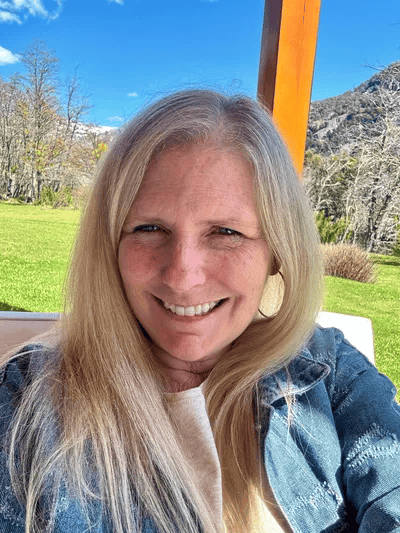
Want Ingrid to plan your next trip (anywhere in the world)?
Ingrid Jones of Dream, Book & Go has traveled extensively around the world and helps travelers turn ideas into thoughtfully planned vacations—without having to figure out every detail themselves.
Meet Ingrid & Start Planning Your Trip
Unscramble
Unscramble the letters to find a famous person, event, or object. Think you know it? Reply with your answer and show off your brainpower.
Today’s clue: Recreation center where families gathered to knock down ten pins.
GNILWOB YELLA
Want to Earn in Retirement?
Help a life story get told, earn thousands: Refer someone to MemoirGhostwriting.com and earn 12% of what they spend, or a 16% donation to your favorite nonprofit. Find out more here.
Explore flexible sales opportunities: CommissionOnly.com gives you access to flexible part-time, work-from-home commission-only roles you can apply to. Find out more here.
Interested in reaching 24,189 seniors? Learn more here.
Disclaimer: Some links in this newsletter are affiliate links. If you make a purchase through them, 65Nation may earn a small commission at no extra cost to you. The content of the newsletter is for informational purposes only and should not be taken as financial, legal, or health advice. We may also share polling responses with advertisers to help keep this newsletter free.


Keep Reading
65Nation
A free daily newsletter for seniors covering health, money, and thriving in retirement.
Support Directory Advertise Careers
Terms of Use Privacy Policy Data Subject Requests
Subscribe
By clicking Subscribe, you consent to receive newsletters via email and agree to our Terms of Use and Privacy Policy.